Tuesday, October 20, 2026

english

HAUT MONDE

POST

World

• Analysis

Covid-19 Inquiry Recommendations Called 'Superficial Damp Squib' by Bereaved Families

Bereaved families criticised the Covid-19 inquiry's sixth report on adult social care, calling its recommendations superficial and insufficiently robust. The report, chaired by Heather Hallett, is one of ten due from the inquiry set up in spring 2022.

By Haut Monde Post

• October 20, 2026

• 3 Min Read
Covid-19 Inquiry Recommendations Called 'Superficial Damp Squib' by Bereaved Families

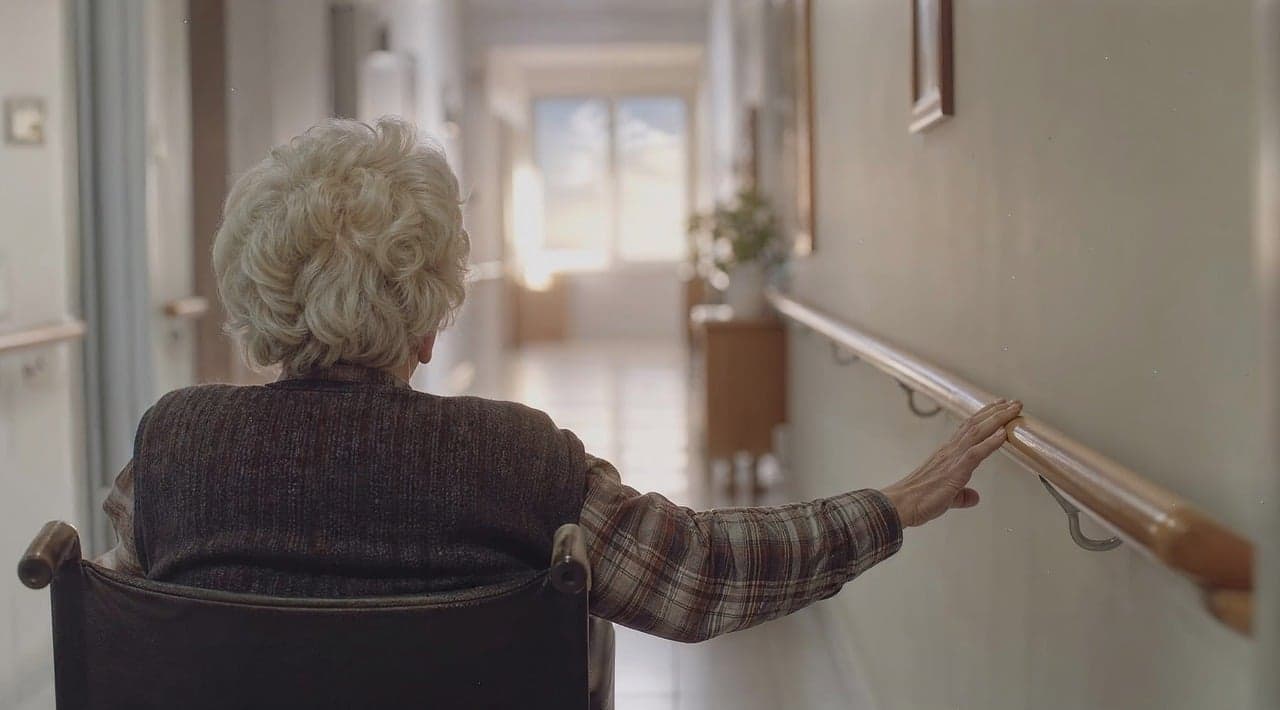
The Covid-19 inquiry's recommendations on adult social care have been met with limited enthusiasm by the families of those who died, who described the findings as superficial and insufficiently robust. The sixth report from the inquiry, chaired by Heather Hallett and set up in spring 2022, prompted criticism from bereaved relatives, campaign groups and trade unions who felt it repeated much that was already known.

What the social care report recommends

The adult social care report runs to 300 pages, with its pandemic recommendations listed in a six-page appendix at the end. The inquiry's purpose was to establish the facts of what happened during the pandemic and examine decision-making processes, without establishing criminal guilt, while identifying lessons and producing actionable recommendations.

Its recommendations include:

  • •more detailed pandemic planning for the care sector
  • •creating a record of isolation facilities in care homes
  • •new guidance on visitor restrictions

'Everything that we knew already'

Deborah Doyle's mother Sylvia Griffiths died aged 76 in a Sunderland care home on 16 April 2020. Doyle said the report covered only what was already known and did not go far enough.

"It's everything that we knew already, it needs to go further. I felt quite underwhelmed."

She also said she felt that Matt Hancock and Boris Johnson had, in her view, "basically got away scot-free".

Jean Adamson's father Aldrick Adamson died on 15 April 2020 aged 98 after contracting Covid in a care home, and she believes the policy of discharging untested hospital patients into care homes was to blame. She said she felt let down because the report fails to hold individuals accountable and its recommendations need to be more robust.

Campaigners and unions join the criticism

Lawyer Nicola Brook, representing bereaved families, described the report as a "superficial damp squib". Francesca Humi of the Kanlungan migrant centre said the report failed to fully consider how migrant care workers, a third of the sector's workforce, were disproportionately affected and why.

Members of Covid-19 Bereaved Families for Justice UK said they had expected more and would be quickly creating a list of demands for how the recommendations can be strengthened.

The cost and what comes next

The inquiry is the most expensive public inquiry in history, costing over £200m, while the government has spent more than £122m on legal advice and dedicated staff to prepare evidence. Tens of thousands of people died in the care sector during the pandemic, where staff were forced to wear bin bags due to a lack of protective clothing and relatives were banned from seeing their loved ones.

Hallett left the UK's structural social care issues to Louise Casey, who is leading a commission into the creation of a National Care Service. Adamson pointed to the Gloria's Law campaign, which calls for care home residents to be given the legal right to a "care supporter" not subject to visitor restrictions in future pandemics. The social care report is the sixth of ten the inquiry is due to publish.
HAUT MONDE POST

Independent journalism of the highest standard. A chronicle of world culture, politics, arts, and public thought.

Publication

AboutEditorial

Newsletter

Get the best Haut Monde Post content delivered to your inbox every week.

© 2026 Haut Monde Post. All rights reserved. Digital edition hautmondepost.com.

Tuesday, Oct 20, 2026

english

World

• Analysis

Covid-19 Inquiry Recommendations Called 'Superficial Damp Squib' by Bereaved Families

Bereaved families criticised the Covid-19 inquiry's sixth report on adult social care, calling its recommendations superficial and insufficiently robust. The report, chaired by Heather Hallett, is one of ten due from the inquiry set up in spring 2022.

By Haut Monde Post

Oct 20, 2026 • 3 Min Read

Covid-19 Inquiry Recommendations Called 'Superficial Damp Squib' by Bereaved Families

The Covid-19 inquiry's recommendations on adult social care have been met with limited enthusiasm by the families of those who died, who described the findings as superficial and insufficiently robust. The sixth report from the inquiry, chaired by Heather Hallett and set up in spring 2022, prompted criticism from bereaved relatives, campaign groups and trade unions who felt it repeated much that was already known.

What the social care report recommends

The adult social care report runs to 300 pages, with its pandemic recommendations listed in a six-page appendix at the end. The inquiry's purpose was to establish the facts of what happened during the pandemic and examine decision-making processes, without establishing criminal guilt, while identifying lessons and producing actionable recommendations.

Its recommendations include:

  • •more detailed pandemic planning for the care sector
  • •creating a record of isolation facilities in care homes
  • •new guidance on visitor restrictions

'Everything that we knew already'

Deborah Doyle's mother Sylvia Griffiths died aged 76 in a Sunderland care home on 16 April 2020. Doyle said the report covered only what was already known and did not go far enough.

"It's everything that we knew already, it needs to go further. I felt quite underwhelmed."

She also said she felt that Matt Hancock and Boris Johnson had, in her view, "basically got away scot-free".

Jean Adamson's father Aldrick Adamson died on 15 April 2020 aged 98 after contracting Covid in a care home, and she believes the policy of discharging untested hospital patients into care homes was to blame. She said she felt let down because the report fails to hold individuals accountable and its recommendations need to be more robust.

Campaigners and unions join the criticism

Lawyer Nicola Brook, representing bereaved families, described the report as a "superficial damp squib". Francesca Humi of the Kanlungan migrant centre said the report failed to fully consider how migrant care workers, a third of the sector's workforce, were disproportionately affected and why.

Members of Covid-19 Bereaved Families for Justice UK said they had expected more and would be quickly creating a list of demands for how the recommendations can be strengthened.

The cost and what comes next

The inquiry is the most expensive public inquiry in history, costing over £200m, while the government has spent more than £122m on legal advice and dedicated staff to prepare evidence. Tens of thousands of people died in the care sector during the pandemic, where staff were forced to wear bin bags due to a lack of protective clothing and relatives were banned from seeing their loved ones.

Hallett left the UK's structural social care issues to Louise Casey, who is leading a commission into the creation of a National Care Service. Adamson pointed to the Gloria's Law campaign, which calls for care home residents to be given the legal right to a "care supporter" not subject to visitor restrictions in future pandemics. The social care report is the sixth of ten the inquiry is due to publish.

HAUT MONDE POST

Independent journalism of the highest standard. A chronicle of world culture, politics, arts, and public thought. Published and printed daily in Paris, France.

Publication

AboutEditorial

Newsletter

Get the best Haut Monde Post content delivered to your inbox every week.

© 2026 Haut Monde Post. All rights reserved. Digital edition hautmondepost.com. Published in Paris.

Tuesday, Oct 20, 2026

english

World

• Analysis

Covid-19 Inquiry Recommendations Called 'Superficial Damp Squib' by Bereaved Families

Bereaved families criticised the Covid-19 inquiry's sixth report on adult social care, calling its recommendations superficial and insufficiently robust. The report, chaired by Heather Hallett, is one of ten due from the inquiry set up in spring 2022.

By Haut Monde Post

Oct 20, 2026 • 3 Min Read

Covid-19 Inquiry Recommendations Called 'Superficial Damp Squib' by Bereaved Families

The Covid-19 inquiry's recommendations on adult social care have been met with limited enthusiasm by the families of those who died, who described the findings as superficial and insufficiently robust. The sixth report from the inquiry, chaired by Heather Hallett and set up in spring 2022, prompted criticism from bereaved relatives, campaign groups and trade unions who felt it repeated much that was already known.

What the social care report recommends

The adult social care report runs to 300 pages, with its pandemic recommendations listed in a six-page appendix at the end. The inquiry's purpose was to establish the facts of what happened during the pandemic and examine decision-making processes, without establishing criminal guilt, while identifying lessons and producing actionable recommendations.

Its recommendations include:

  • •more detailed pandemic planning for the care sector
  • •creating a record of isolation facilities in care homes
  • •new guidance on visitor restrictions

'Everything that we knew already'

Deborah Doyle's mother Sylvia Griffiths died aged 76 in a Sunderland care home on 16 April 2020. Doyle said the report covered only what was already known and did not go far enough.

"It's everything that we knew already, it needs to go further. I felt quite underwhelmed."

She also said she felt that Matt Hancock and Boris Johnson had, in her view, "basically got away scot-free".

Jean Adamson's father Aldrick Adamson died on 15 April 2020 aged 98 after contracting Covid in a care home, and she believes the policy of discharging untested hospital patients into care homes was to blame. She said she felt let down because the report fails to hold individuals accountable and its recommendations need to be more robust.

Campaigners and unions join the criticism

Lawyer Nicola Brook, representing bereaved families, described the report as a "superficial damp squib". Francesca Humi of the Kanlungan migrant centre said the report failed to fully consider how migrant care workers, a third of the sector's workforce, were disproportionately affected and why.

Members of Covid-19 Bereaved Families for Justice UK said they had expected more and would be quickly creating a list of demands for how the recommendations can be strengthened.

The cost and what comes next

The inquiry is the most expensive public inquiry in history, costing over £200m, while the government has spent more than £122m on legal advice and dedicated staff to prepare evidence. Tens of thousands of people died in the care sector during the pandemic, where staff were forced to wear bin bags due to a lack of protective clothing and relatives were banned from seeing their loved ones.

Hallett left the UK's structural social care issues to Louise Casey, who is leading a commission into the creation of a National Care Service. Adamson pointed to the Gloria's Law campaign, which calls for care home residents to be given the legal right to a "care supporter" not subject to visitor restrictions in future pandemics. The social care report is the sixth of ten the inquiry is due to publish.