• Analysis
Car use in London forecast to rise 10% over next decade in draft plan
Official modelling by the mayor's office and Transport for London projects car use in London rising 10% by 2036, with walking and cycling falling as a share of trips, in the draft London plan for 2026-36.
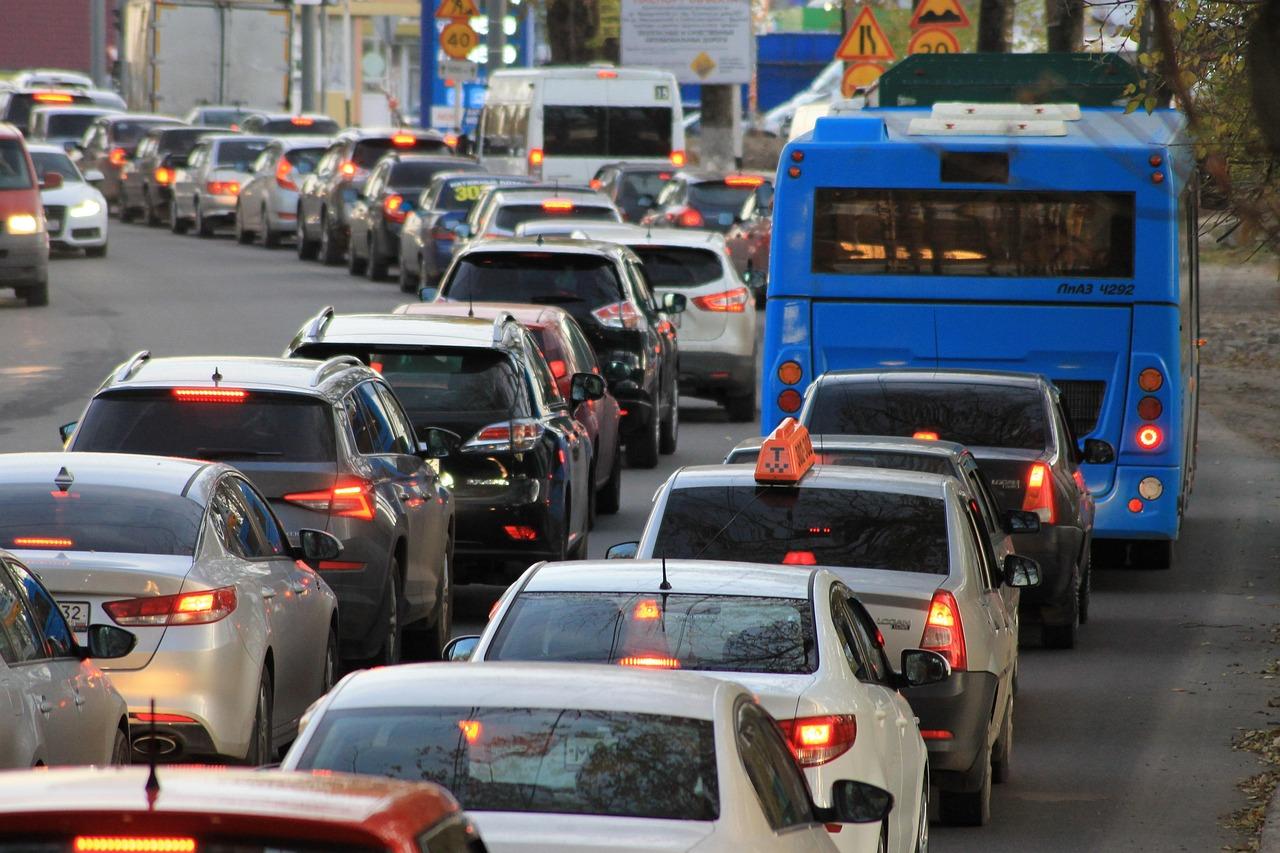
Draft plans drawn up by the mayor's office and Transport for London show car use in London climbing over the coming ten years, even as City Hall's stated aim is to push it down. The figures appear in the draft of the latest 10-year London plan, which covers 2026-36 and sets out three possible models of growth in population and jobs.
What the draft London plan projects
Under the central, most likely scenario, the capital's population reaches 9.9 million, up from the current 9.1 million. Against a 2023 baseline and running to 2036, the modelling shows:
- •car and other motor vehicle trips rising by 10%
- •public transport trips rising by 17%
- •active travel journeys, such as walking and cycling, rising by 6% in absolute terms but falling slightly as a proportion of all trips
City Hall: modelling, not a prediction
The mayor's office stressed that the figures are modelling rather than a prediction, based on an assumption of no new transport policies - so they exclude changes such as the Oxford Street pedestrianisation. The mayor's spokesperson added that the scenario assumes no additional active travel schemes will be introduced over the next decade, "which clearly is not the case", and said the modelling will help identify the future transport schemes needed. City Hall expects active travel to increase significantly by 2036 and car use to fall.
Warnings over speeds and crowding
The draft report itself warns of significant road challenges, including a possible 7% reduction in average speeds that would slow down bus routes. On the tube, it cautions that severe overcrowding could bring a possible regular need for intervention during periods of peak demand, such as closing stations to entering passengers.
Campaigners push back
The projections were uncovered by Ralph Smyth, a strategy adviser for the Transport Action Network campaign group, who said progress on shifting London away from cars appeared to have stalled. "The new London Plan was the opportunity for the mayor to leave a legacy of a cleaner, healthier and less congested city," Smyth said, criticising the turn towards cars. He pointed to Paris, where bike use almost tripled as a proportion of all trips in just five years, placing London at odds with other European cities.
The forecast also sits awkwardly against the mayor's 2022 pledge for a 27% reduction in car use across London by 2030. Mayoral officials point to recent growth in cycling and walking, new cycle lanes, hundreds of school streets restricting motor traffic at drop-off and pickup times, and the expansion of the ultra-low emission zone to central and inner London in 2023.
Jenny Bates, a campaigner from Friends of the Earth, said the transition to electric vehicles would help, "but this will take many years" and will not reduce congestion. London needs to cut car use and reclaim space for safer walking and cycling routes, and more urban greenery to help cool the city in hot summers, she said.
Simon Munk, head of campaigns at the London Cycling Campaign, said the plan risked "modelling a future that is already out of date". TfL should not be modelling ongoing heavy car use, he argued, but instead articulating how land-use planning and transport policy can deliver much less car use.
The projections appear in the draft of the 10-year plan for 2026-36, which the mayor's office says will help identify the transport schemes needed in future.