Sunday, October 4, 2026

english

HAUT MONDE

POST

World

• Analysis

Bosnia election opens with pro-Russian Dodik looming despite ban

Polls opened Sunday morning in the Bosnia election that could shape the influence Russia seeks over the small Balkan nation, with pro-Russian Serb leader Milorad Dodik dominating the campaign despite his ban from public office. Around 3.4 million voters are choosing the three-member presidency, national lawmakers and entity leaders.

By Haut Monde Post

• October 4, 2026

• 4 Min Read
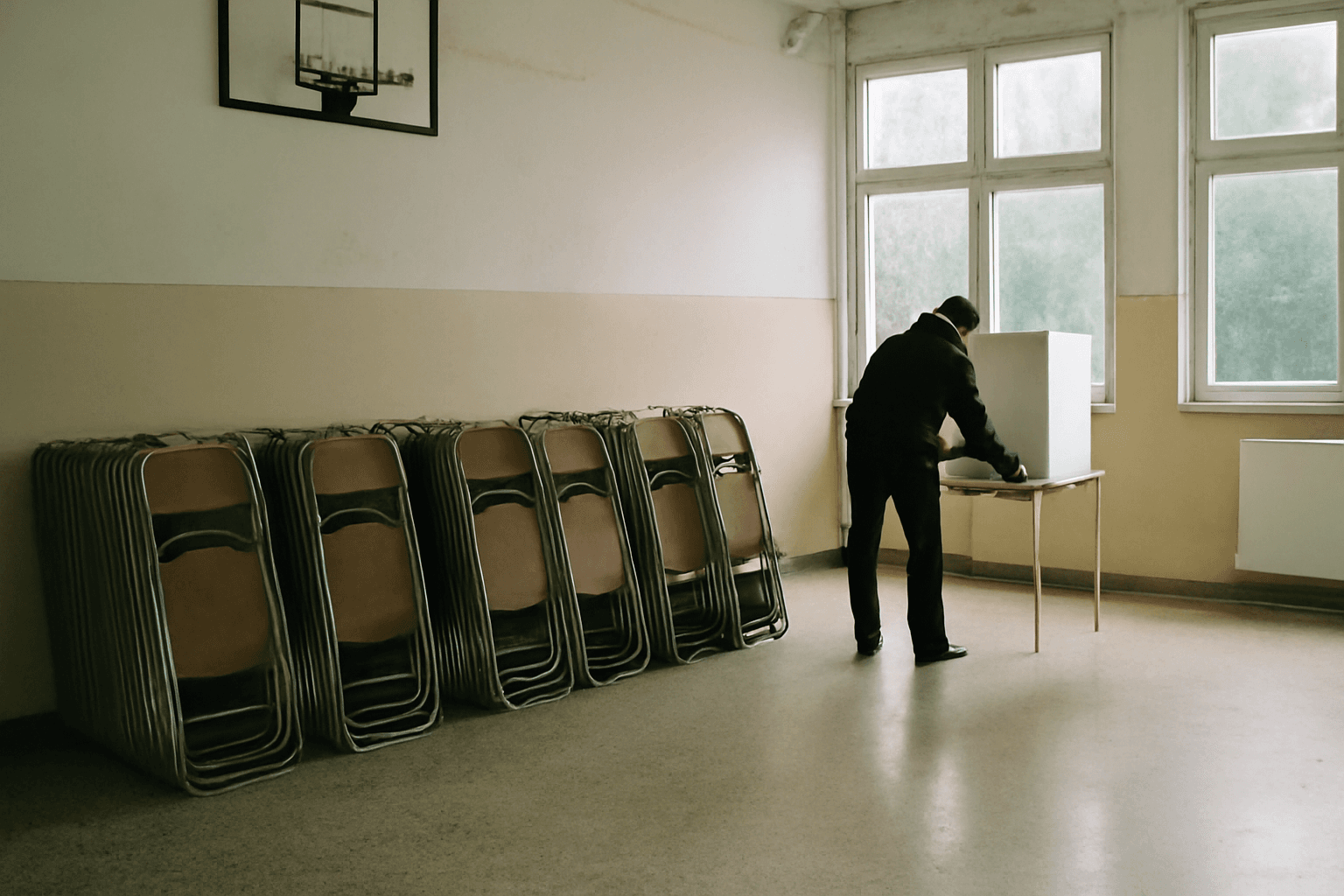
Folding chairs stacked along the wall of an empty school hall being prepared as a polling station ahead of Bosnia's vote.

Polls opened Sunday morning in the Bosnia election that could shape the influence Russia seeks over the small Balkan nation, with pro-Russian Serb leader Milorad Dodik dominating the campaign despite his ban from public office. Around 3.4 million voters are choosing the three-member presidency, national lawmakers and entity leaders.

What Bosnians are voting for

The election spans Bosnia's two entities: the Muslim-majority Federation of Bosnia and Herzegovina and Republika Srpska, which is dominated by ethnic Serbs. Most of the 75 parties running are organized along ethnic lines within the two entities, which a central presidency and Parliament bind together. The Bosniak nationalist Party of Democratic Action has focused its campaign on keeping the country united against Serb separatism, while Bosnian Croats largely support their ethnic parties, including the Bosnian branch of Croatia's ruling Croatian Democratic Union. Voters are choosing:

  • •Three members of the country's multi-ethnic presidency
  • •Lawmakers for the national Parliament
  • •Heads of institutions for each of the two entities

For the first time, authorities are electronically identifying voters and scanning ballots, aiming to prevent the irregularities or organized voter manipulation that have cast doubt on the fairness of previous elections. The new digital technology did not work smoothly everywhere: journalists saw multiple polling places where voting could not begin on time because of difficulties with it.

Dodik dominates despite ban from public office

Milorad Dodik, the separatist ex-president of Serb-majority Republika Srpska, is banned from public office after a conviction for defying decisions by the international envoy overseeing the 1995 peace agreement. Absent from the ballot, he has dominated the campaign and inflamed divisions that have sparked fears of renewed instability.

Fresh from meeting Russian President Vladimir Putin in Moscow, he told his party's final election rally Friday night in Banja Luka, Republika Srpska's administrative capital, that Bosnia "is dead". Russian Ambassador Igor Khalabukov was there. At the same rally, Dodik called Bosnia impossible and said it does not make any sense.

His Alliance of Independent Social Democrats is likely to win in Republika Srpska. Bosnian Serb leaders like Dodik have pushed for their entity's separation from the rest of Bosnia, raising Western concerns that tensions could spill over again.

Analyst Dragan Bursac noted this is the first ballot in nearly 30 years without Dodik's name, yet in his assessment Dodik remains in command and is everywhere, all over the media in all of Bosnia and Herzegovina and not only in Republika Srpska. Bans from political life are not working, Bursac said, because Dodik is using them.

War-era tensions revived before the vote

Some mainstream politicians have kept war-era tensions alive since the brutal 1992-95 conflict. A public homage in Serbia and among Bosnian Serbs honored Ratko Mladic, the wartime army commander who died in late August serving a life sentence for genocide and other war crimes. Bosnian Serbs see Mladic as a hero despite his UN court conviction for the 1995 Srebrenica massacre of more than 8,000 Muslim men and boys. Key Bosnian Serb officials attended his Belgrade funeral, drawing harsh EU criticism and angering Bosniak politicians.

Bosnia's governing institutions were created by a US-brokered peace agreement in 1995 to manage the ethnic divisions among Muslim Bosniaks, Orthodox Serbs and Catholic Croats that gave rise to the war. That conflict killed more than 100,000 people and displaced millions. One of Europe's poorest countries, Bosnia is still struggling to recover decades after the 1992 war that followed independence from the Serb-led former Yugoslavia. Its path to European Union membership has stalled despite EU efforts to push the divided leaders toward joint reform.

Voters focused on everyday problems

Many disillusioned citizens say politicians use nationalism to avoid solving important problems such as poor living standards and an exodus of youth from the country. Durak Miler, a Sarajevo resident, said governing politicians "just poison people when they talk". The old faces should change, he added: they have been governing for 35 years, and whoever comes next will work better for retired people and the poor.

In the southern town of Mostar, voter Ivan Silic said he does not see anything getting better from the moment he started to vote.

It is better for the politicians, Silic said, while for everyone else everything remains the same. Salko Bijavica, also from Mostar, welcomed the new safeguards, saying he is glad that "every vote will be counted" and that the change gives "hope to people that elections will be fair". Polls were set to close at 7pm local time.


Sunday, Oct 4, 2026

english

World

• Analysis

Bosnia election opens with pro-Russian Dodik looming despite ban

Polls opened Sunday morning in the Bosnia election that could shape the influence Russia seeks over the small Balkan nation, with pro-Russian Serb leader Milorad Dodik dominating the campaign despite his ban from public office. Around 3.4 million voters are choosing the three-member presidency, national lawmakers and entity leaders.

By Haut Monde Post

Oct 4, 2026 • 4 Min Read

Folding chairs stacked along the wall of an empty school hall being prepared as a polling station ahead of Bosnia's vote.

Polls opened Sunday morning in the Bosnia election that could shape the influence Russia seeks over the small Balkan nation, with pro-Russian Serb leader Milorad Dodik dominating the campaign despite his ban from public office. Around 3.4 million voters are choosing the three-member presidency, national lawmakers and entity leaders.

What Bosnians are voting for

The election spans Bosnia's two entities: the Muslim-majority Federation of Bosnia and Herzegovina and Republika Srpska, which is dominated by ethnic Serbs. Most of the 75 parties running are organized along ethnic lines within the two entities, which a central presidency and Parliament bind together. The Bosniak nationalist Party of Democratic Action has focused its campaign on keeping the country united against Serb separatism, while Bosnian Croats largely support their ethnic parties, including the Bosnian branch of Croatia's ruling Croatian Democratic Union. Voters are choosing:

  • •Three members of the country's multi-ethnic presidency
  • •Lawmakers for the national Parliament
  • •Heads of institutions for each of the two entities

For the first time, authorities are electronically identifying voters and scanning ballots, aiming to prevent the irregularities or organized voter manipulation that have cast doubt on the fairness of previous elections. The new digital technology did not work smoothly everywhere: journalists saw multiple polling places where voting could not begin on time because of difficulties with it.

Dodik dominates despite ban from public office

Milorad Dodik, the separatist ex-president of Serb-majority Republika Srpska, is banned from public office after a conviction for defying decisions by the international envoy overseeing the 1995 peace agreement. Absent from the ballot, he has dominated the campaign and inflamed divisions that have sparked fears of renewed instability.

Fresh from meeting Russian President Vladimir Putin in Moscow, he told his party's final election rally Friday night in Banja Luka, Republika Srpska's administrative capital, that Bosnia "is dead". Russian Ambassador Igor Khalabukov was there. At the same rally, Dodik called Bosnia impossible and said it does not make any sense.

His Alliance of Independent Social Democrats is likely to win in Republika Srpska. Bosnian Serb leaders like Dodik have pushed for their entity's separation from the rest of Bosnia, raising Western concerns that tensions could spill over again.

Analyst Dragan Bursac noted this is the first ballot in nearly 30 years without Dodik's name, yet in his assessment Dodik remains in command and is everywhere, all over the media in all of Bosnia and Herzegovina and not only in Republika Srpska. Bans from political life are not working, Bursac said, because Dodik is using them.

War-era tensions revived before the vote

Some mainstream politicians have kept war-era tensions alive since the brutal 1992-95 conflict. A public homage in Serbia and among Bosnian Serbs honored Ratko Mladic, the wartime army commander who died in late August serving a life sentence for genocide and other war crimes. Bosnian Serbs see Mladic as a hero despite his UN court conviction for the 1995 Srebrenica massacre of more than 8,000 Muslim men and boys. Key Bosnian Serb officials attended his Belgrade funeral, drawing harsh EU criticism and angering Bosniak politicians.

Bosnia's governing institutions were created by a US-brokered peace agreement in 1995 to manage the ethnic divisions among Muslim Bosniaks, Orthodox Serbs and Catholic Croats that gave rise to the war. That conflict killed more than 100,000 people and displaced millions. One of Europe's poorest countries, Bosnia is still struggling to recover decades after the 1992 war that followed independence from the Serb-led former Yugoslavia. Its path to European Union membership has stalled despite EU efforts to push the divided leaders toward joint reform.

Voters focused on everyday problems

Many disillusioned citizens say politicians use nationalism to avoid solving important problems such as poor living standards and an exodus of youth from the country. Durak Miler, a Sarajevo resident, said governing politicians "just poison people when they talk". The old faces should change, he added: they have been governing for 35 years, and whoever comes next will work better for retired people and the poor.

In the southern town of Mostar, voter Ivan Silic said he does not see anything getting better from the moment he started to vote.

It is better for the politicians, Silic said, while for everyone else everything remains the same. Salko Bijavica, also from Mostar, welcomed the new safeguards, saying he is glad that "every vote will be counted" and that the change gives "hope to people that elections will be fair". Polls were set to close at 7pm local time.
Sunday, Oct 4, 2026

english

World

• Analysis

Bosnia election opens with pro-Russian Dodik looming despite ban

Polls opened Sunday morning in the Bosnia election that could shape the influence Russia seeks over the small Balkan nation, with pro-Russian Serb leader Milorad Dodik dominating the campaign despite his ban from public office. Around 3.4 million voters are choosing the three-member presidency, national lawmakers and entity leaders.

By Haut Monde Post

Oct 4, 2026 • 4 Min Read

Folding chairs stacked along the wall of an empty school hall being prepared as a polling station ahead of Bosnia's vote.

Polls opened Sunday morning in the Bosnia election that could shape the influence Russia seeks over the small Balkan nation, with pro-Russian Serb leader Milorad Dodik dominating the campaign despite his ban from public office. Around 3.4 million voters are choosing the three-member presidency, national lawmakers and entity leaders.

What Bosnians are voting for

The election spans Bosnia's two entities: the Muslim-majority Federation of Bosnia and Herzegovina and Republika Srpska, which is dominated by ethnic Serbs. Most of the 75 parties running are organized along ethnic lines within the two entities, which a central presidency and Parliament bind together. The Bosniak nationalist Party of Democratic Action has focused its campaign on keeping the country united against Serb separatism, while Bosnian Croats largely support their ethnic parties, including the Bosnian branch of Croatia's ruling Croatian Democratic Union. Voters are choosing:

  • •Three members of the country's multi-ethnic presidency
  • •Lawmakers for the national Parliament
  • •Heads of institutions for each of the two entities

For the first time, authorities are electronically identifying voters and scanning ballots, aiming to prevent the irregularities or organized voter manipulation that have cast doubt on the fairness of previous elections. The new digital technology did not work smoothly everywhere: journalists saw multiple polling places where voting could not begin on time because of difficulties with it.

Dodik dominates despite ban from public office

Milorad Dodik, the separatist ex-president of Serb-majority Republika Srpska, is banned from public office after a conviction for defying decisions by the international envoy overseeing the 1995 peace agreement. Absent from the ballot, he has dominated the campaign and inflamed divisions that have sparked fears of renewed instability.

Fresh from meeting Russian President Vladimir Putin in Moscow, he told his party's final election rally Friday night in Banja Luka, Republika Srpska's administrative capital, that Bosnia "is dead". Russian Ambassador Igor Khalabukov was there. At the same rally, Dodik called Bosnia impossible and said it does not make any sense.

His Alliance of Independent Social Democrats is likely to win in Republika Srpska. Bosnian Serb leaders like Dodik have pushed for their entity's separation from the rest of Bosnia, raising Western concerns that tensions could spill over again.

Analyst Dragan Bursac noted this is the first ballot in nearly 30 years without Dodik's name, yet in his assessment Dodik remains in command and is everywhere, all over the media in all of Bosnia and Herzegovina and not only in Republika Srpska. Bans from political life are not working, Bursac said, because Dodik is using them.

War-era tensions revived before the vote

Some mainstream politicians have kept war-era tensions alive since the brutal 1992-95 conflict. A public homage in Serbia and among Bosnian Serbs honored Ratko Mladic, the wartime army commander who died in late August serving a life sentence for genocide and other war crimes. Bosnian Serbs see Mladic as a hero despite his UN court conviction for the 1995 Srebrenica massacre of more than 8,000 Muslim men and boys. Key Bosnian Serb officials attended his Belgrade funeral, drawing harsh EU criticism and angering Bosniak politicians.

Bosnia's governing institutions were created by a US-brokered peace agreement in 1995 to manage the ethnic divisions among Muslim Bosniaks, Orthodox Serbs and Catholic Croats that gave rise to the war. That conflict killed more than 100,000 people and displaced millions. One of Europe's poorest countries, Bosnia is still struggling to recover decades after the 1992 war that followed independence from the Serb-led former Yugoslavia. Its path to European Union membership has stalled despite EU efforts to push the divided leaders toward joint reform.

Voters focused on everyday problems

Many disillusioned citizens say politicians use nationalism to avoid solving important problems such as poor living standards and an exodus of youth from the country. Durak Miler, a Sarajevo resident, said governing politicians "just poison people when they talk". The old faces should change, he added: they have been governing for 35 years, and whoever comes next will work better for retired people and the poor.

In the southern town of Mostar, voter Ivan Silic said he does not see anything getting better from the moment he started to vote.

It is better for the politicians, Silic said, while for everyone else everything remains the same. Salko Bijavica, also from Mostar, welcomed the new safeguards, saying he is glad that "every vote will be counted" and that the change gives "hope to people that elections will be fair". Polls were set to close at 7pm local time.