Tuesday, November 3, 2026

english

HAUT MONDE

POST

World

• Analysis

Bonfire Night Law Among Millions of Parliament Records Sent to National Archives

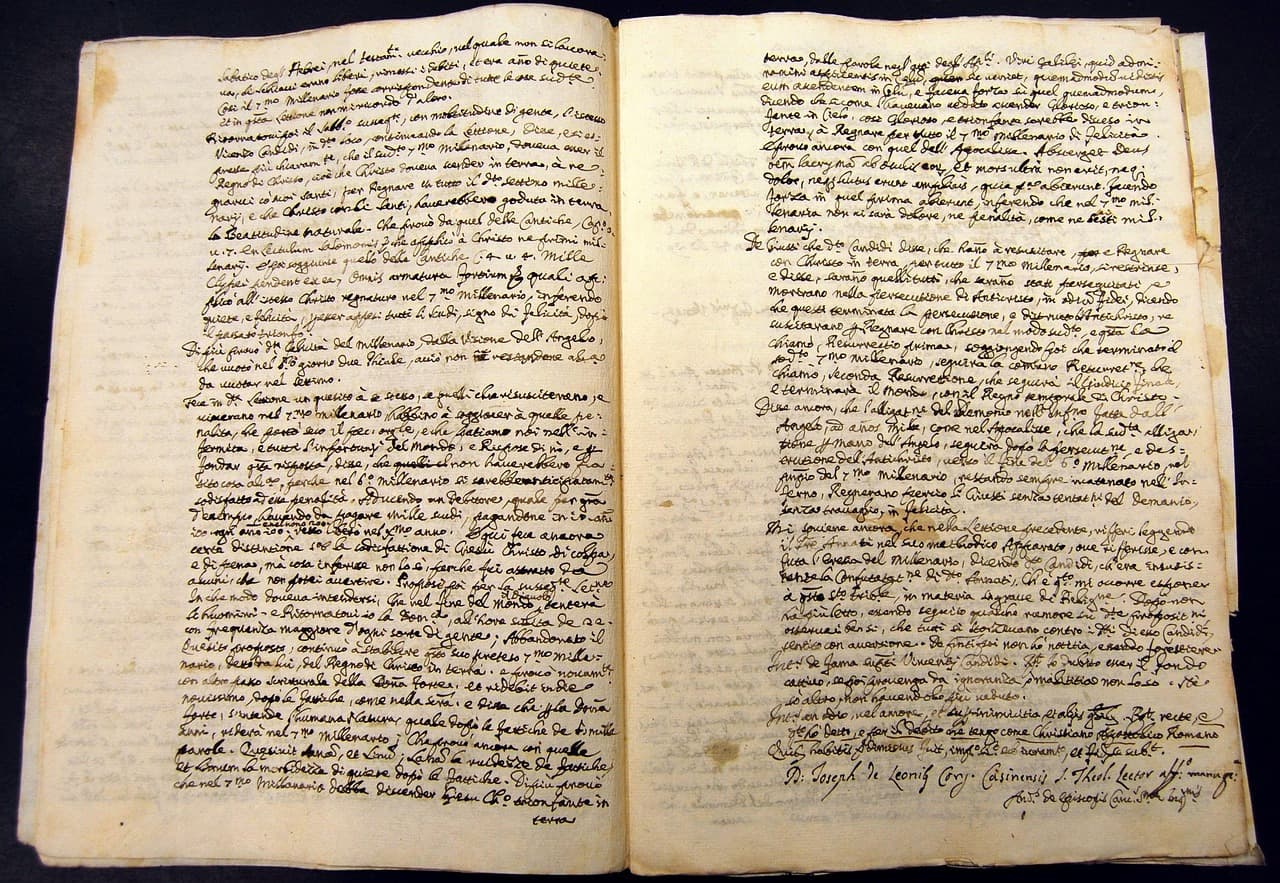
A file on the 1605 Thanksgiving Act, the law behind Bonfire Night, is among four million records transferred from parliament's archives to the National Archives at Kew in a five-year project now complete.
By Haut Monde Post

• November 3, 2026

• 3 Min Read

Bonfire Night Law Among Millions of Parliament Records Sent to National Archives

The act that created Bonfire Night

Among the four million records moved from parliament's archives to the National Archives at Kew is a file on the 1605 Thanksgiving Act, the bonfire night law that gave the annual November commemorations their origin. The act was passed by James I after Guy Fawkes failed to assassinate the king, the Lords and the Commons at the state opening of parliament. It celebrated the deliverance of the Protestant church and directed that church services be held every 5 November to commemorate the failure of the Gunpowder Plot.

Dr Graham Moore, an early modern parliament specialist at the National Archives, said acts often carry long preambles explaining their purpose. "We often find that these acts have very flowery beginnings," he said. One passage, he noted, praises King James I and VI as "enriched with most hopeful and plentiful progeny proceeding out of his royal loins".

The clerk's note from 5 November 1605

The transfer also includes a well-preserved House of Commons journal, a precursor of Hansard, which carries a handwritten entry in the margin by the Commons clerk dated 5 November 1605, noted almost as an afterthought. The entry records the search of the Palace of Westminster cellars and the discovery of 36 barrels of gunpowder, along with Guy Fawkes.

A separate scroll in the collection is an Act of Attainder declaring Fawkes and his co-conspirators guilty of treason and decreeing they were to be hanged, drawn and quartered.

Other records in the transfer

The move covers far more than the Gunpowder Plot papers. It includes:

  • •A suffragette banner from 28 October 1908, secretly taken into the Ladies' Gallery of the Commons chamber. One suffragette dropped it into the chamber while two others chained themselves to the grille, shouting: "We have been behind this insulting grille for too long." The grille had to be removed with the two still attached.
  • •The 1821 Land Tax Commissioners Act, the longest act in parliament's archives, which nominates 65,000 commissioners to collect revenue based on land valuations. Inscribed on 757 vellum membranes, it totals 348 metres in length, more than three football fields.
  • •The Great Reform Act of 1832, described by Dr Joe Cozens, a 19th century parliament records specialist, as the first step on the long journey towards modern democracy.

More unusual items in the transfer include a piece of a gravestone, a sword and a uniform. Moore explained that amendments were stitched onto the vellum as bills were edited during debate, leaving "little additions, stitched on top, crossings out".

Scale of the transfer and access

The project took five years to complete. The move from the Victoria Tower at the Palace of Westminster added 16.5 linear kilometres of records to the 174.5 linear kilometres of documents already housed at Kew, leaving the National Archives responsible for a total of 20 million records, with one-third kept in deep storage at a facility in Cheshire.

Chief executive Saul Nassé said the Palace of Westminster "has not been designed with modern preservation standards in mind". With parliament's records now joining the judiciary and government records already held at Kew, he said, "you have the kind of three arms of the British state, all in one place".

"It offers the public more access than ever before," Nassé said, adding that the records must be brought to life for people.

The transferred records are fully catalogued, marked with registration barcodes, and available for the public to order and view for free.

HAUT MONDE POST

Independent journalism of the highest standard. A chronicle of world culture, politics, arts, and public thought.

Publication

AboutEditorial

Newsletter

Get the best Haut Monde Post content delivered to your inbox every week.

© 2026 Haut Monde Post. All rights reserved. Digital edition hautmondepost.com.

Tuesday, Nov 3, 2026

english

World

• Analysis

Bonfire Night Law Among Millions of Parliament Records Sent to National Archives

A file on the 1605 Thanksgiving Act, the law behind Bonfire Night, is among four million records transferred from parliament's archives to the National Archives at Kew in a five-year project now complete.

By Haut Monde Post

Nov 3, 2026 • 3 Min Read
Bonfire Night Law Among Millions of Parliament Records Sent to National Archives

The act that created Bonfire Night

Among the four million records moved from parliament's archives to the National Archives at Kew is a file on the 1605 Thanksgiving Act, the bonfire night law that gave the annual November commemorations their origin. The act was passed by James I after Guy Fawkes failed to assassinate the king, the Lords and the Commons at the state opening of parliament. It celebrated the deliverance of the Protestant church and directed that church services be held every 5 November to commemorate the failure of the Gunpowder Plot.

Dr Graham Moore, an early modern parliament specialist at the National Archives, said acts often carry long preambles explaining their purpose. "We often find that these acts have very flowery beginnings," he said. One passage, he noted, praises King James I and VI as "enriched with most hopeful and plentiful progeny proceeding out of his royal loins".

The clerk's note from 5 November 1605

The transfer also includes a well-preserved House of Commons journal, a precursor of Hansard, which carries a handwritten entry in the margin by the Commons clerk dated 5 November 1605, noted almost as an afterthought. The entry records the search of the Palace of Westminster cellars and the discovery of 36 barrels of gunpowder, along with Guy Fawkes.

A separate scroll in the collection is an Act of Attainder declaring Fawkes and his co-conspirators guilty of treason and decreeing they were to be hanged, drawn and quartered.

Other records in the transfer

The move covers far more than the Gunpowder Plot papers. It includes:

  • •A suffragette banner from 28 October 1908, secretly taken into the Ladies' Gallery of the Commons chamber. One suffragette dropped it into the chamber while two others chained themselves to the grille, shouting: "We have been behind this insulting grille for too long." The grille had to be removed with the two still attached.
  • •The 1821 Land Tax Commissioners Act, the longest act in parliament's archives, which nominates 65,000 commissioners to collect revenue based on land valuations. Inscribed on 757 vellum membranes, it totals 348 metres in length, more than three football fields.
  • •The Great Reform Act of 1832, described by Dr Joe Cozens, a 19th century parliament records specialist, as the first step on the long journey towards modern democracy.

More unusual items in the transfer include a piece of a gravestone, a sword and a uniform. Moore explained that amendments were stitched onto the vellum as bills were edited during debate, leaving "little additions, stitched on top, crossings out".

Scale of the transfer and access

The project took five years to complete. The move from the Victoria Tower at the Palace of Westminster added 16.5 linear kilometres of records to the 174.5 linear kilometres of documents already housed at Kew, leaving the National Archives responsible for a total of 20 million records, with one-third kept in deep storage at a facility in Cheshire.

Chief executive Saul Nassé said the Palace of Westminster "has not been designed with modern preservation standards in mind". With parliament's records now joining the judiciary and government records already held at Kew, he said, "you have the kind of three arms of the British state, all in one place".

"It offers the public more access than ever before," Nassé said, adding that the records must be brought to life for people.

The transferred records are fully catalogued, marked with registration barcodes, and available for the public to order and view for free.

HAUT MONDE POST

Independent journalism of the highest standard. A chronicle of world culture, politics, arts, and public thought. Published and printed daily in Paris, France.

Publication

AboutEditorial

Newsletter

Get the best Haut Monde Post content delivered to your inbox every week.

© 2026 Haut Monde Post. All rights reserved. Digital edition hautmondepost.com. Published in Paris.

Tuesday, Nov 3, 2026

english

World

• Analysis

Bonfire Night Law Among Millions of Parliament Records Sent to National Archives

A file on the 1605 Thanksgiving Act, the law behind Bonfire Night, is among four million records transferred from parliament's archives to the National Archives at Kew in a five-year project now complete.

By Haut Monde Post

Bonfire Night Law Among Millions of Parliament Records Sent to National Archives

The act that created Bonfire Night

Among the four million records moved from parliament's archives to the National Archives at Kew is a file on the 1605 Thanksgiving Act, the bonfire night law that gave the annual November commemorations their origin. The act was passed by James I after Guy Fawkes failed to assassinate the king, the Lords and the Commons at the state opening of parliament. It celebrated the deliverance of the Protestant church and directed that church services be held every 5 November to commemorate the failure of the Gunpowder Plot.

Dr Graham Moore, an early modern parliament specialist at the National Archives, said acts often carry long preambles explaining their purpose. "We often find that these acts have very flowery beginnings," he said. One passage, he noted, praises King James I and VI as "enriched with most hopeful and plentiful progeny proceeding out of his royal loins".

The clerk's note from 5 November 1605

The transfer also includes a well-preserved House of Commons journal, a precursor of Hansard, which carries a handwritten entry in the margin by the Commons clerk dated 5 November 1605, noted almost as an afterthought. The entry records the search of the Palace of Westminster cellars and the discovery of 36 barrels of gunpowder, along with Guy Fawkes.

A separate scroll in the collection is an Act of Attainder declaring Fawkes and his co-conspirators guilty of treason and decreeing they were to be hanged, drawn and quartered.

Other records in the transfer

The move covers far more than the Gunpowder Plot papers. It includes:

  • •A suffragette banner from 28 October 1908, secretly taken into the Ladies' Gallery of the Commons chamber. One suffragette dropped it into the chamber while two others chained themselves to the grille, shouting: "We have been behind this insulting grille for too long." The grille had to be removed with the two still attached.
  • •The 1821 Land Tax Commissioners Act, the longest act in parliament's archives, which nominates 65,000 commissioners to collect revenue based on land valuations. Inscribed on 757 vellum membranes, it totals 348 metres in length, more than three football fields.
  • •The Great Reform Act of 1832, described by Dr Joe Cozens, a 19th century parliament records specialist, as the first step on the long journey towards modern democracy.

More unusual items in the transfer include a piece of a gravestone, a sword and a uniform. Moore explained that amendments were stitched onto the vellum as bills were edited during debate, leaving "little additions, stitched on top, crossings out".

Scale of the transfer and access

The project took five years to complete. The move from the Victoria Tower at the Palace of Westminster added 16.5 linear kilometres of records to the 174.5 linear kilometres of documents already housed at Kew, leaving the National Archives responsible for a total of 20 million records, with one-third kept in deep storage at a facility in Cheshire.

Chief executive Saul Nassé said the Palace of Westminster "has not been designed with modern preservation standards in mind". With parliament's records now joining the judiciary and government records already held at Kew, he said, "you have the kind of three arms of the British state, all in one place".

"It offers the public more access than ever before," Nassé said, adding that the records must be brought to life for people.

The transferred records are fully catalogued, marked with registration barcodes, and available for the public to order and view for free.