• Analysis
Andy Burnham's EU reset: what Made in Europe and the Safe fund could mean for the UK
Andy Burnham briefed MPs this week on the EU reset he agreed at Friday's Brussels summit, but the UK remains outside two EU programmes that could shape its economy and security: the Made in Europe strategy and the Safe defence fund. Negotiators warn the incremental style of UK-EU negotiating has reached its end.
Where the reset stands
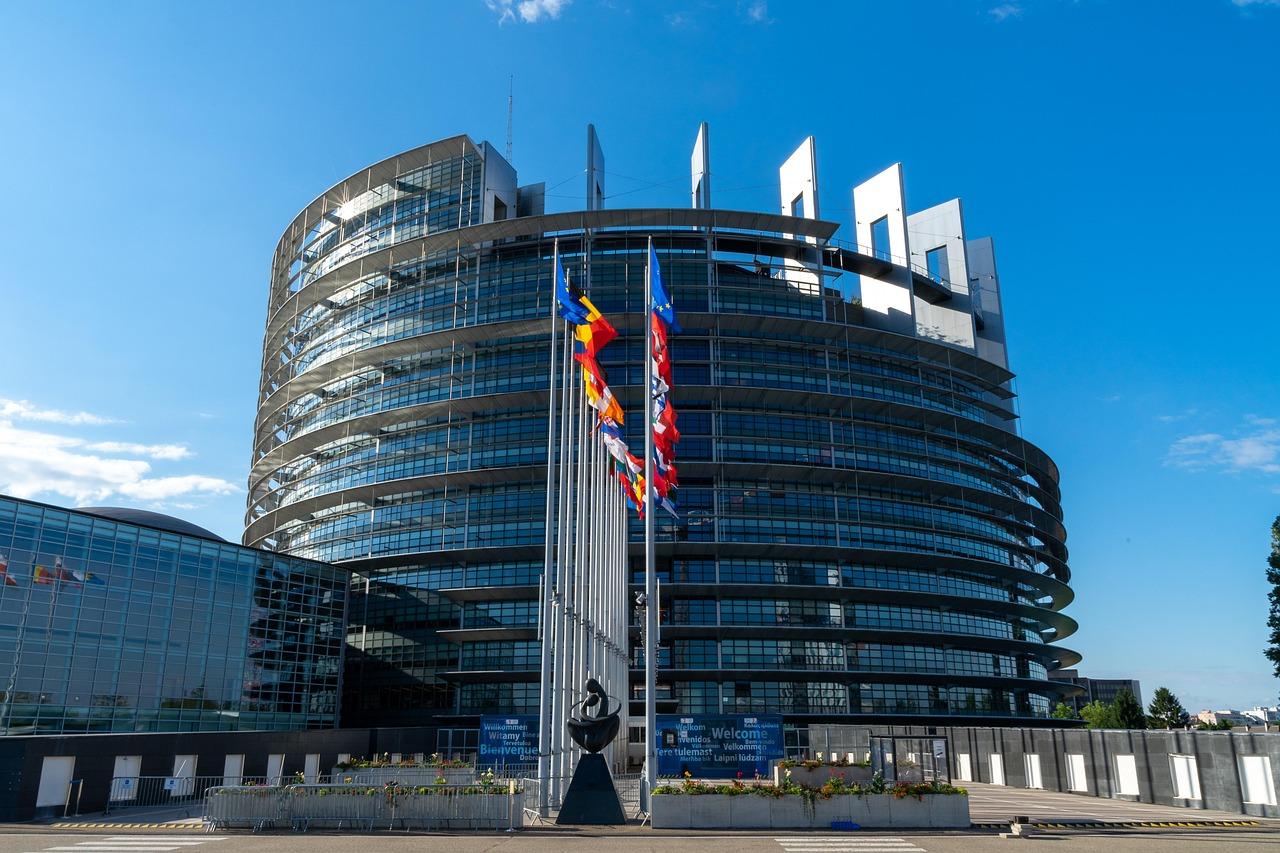
The primary news is the Andy Burnham EU reset, and the starting point is Friday's summit in Brussels, where three deals were announced: one on food and drink, another on emissions trading, and a third on youth mobility. The youth mobility deal allows British students to work, live, study and travel in the EU, with reciprocal access for EU students in Britain.
None of it is settled. The core agreements have not been ratified by member states, and the EU will not sign them off until Britain resolves a dispute over tuition fees for European students. France and Italy were among the member states saying the deal would not be implemented unless Burnham offered a deal on tuition fees for EU students at British universities. Burnham and foreign secretary Ed Miliband have both used the near-identical phrase that all options are 'on the table' for Britain's future relationship with the EU.
Burnham is reportedly determined to take the UK back into the EU, but no progress on that is expected before the next general election. His briefing to MPs this week reignited arguments about rejoin in parliament, welcomed by original Brexiters as an excuse to revive the debate.
Made in Europe and the car industry
The sharpest problem in the briefing is one the summit did not solve. The EU's Made in Europe strategy uses public money to support goods made by companies in the single market, and is designed to disadvantage countries outside the EU - the UK among them.
Burnham is trying to make 'reindustrialisation' part of his domestic agenda, and Made in Europe cuts directly against it. The strategy risks deindustrialising the UK car industry, which relies on European buyers. The government cannot shape the scheme, because its negotiations are internal to the EU. Mujtaba Rahman, managing director for Europe at the Eurasia Group, put it this way:
And it's very hard for member states to provide any guarantees because there's no UK guardian at the table
Friday's summit did promise closer cooperation on steel and electric vehicle supply chains, though the UK sits outside the Made in Europe scheme itself.
The Safe defence fund the UK declined to fund
The second exclusion is on security. The EU's Security Action for Europe (Safe) facility offers up to €150bn in loans to member states to fund defence investments. Britain refused to pay the financial contribution Brussels wanted for participation in the Safe fund, though a deal may still be reached.
Behind the standoff sits a disagreement about the United States. Rahman said the EU now regards the US as an unreliable security partner, while UK officials do not talk about the Americans in the way European officials do. That difference in judgement shapes how much each side is willing to pay for European defence ties.
The incremental approach that produced these partial deals may itself be running out. Rahman warned that the UK risks resembling a cherrypicking state in EU eyes:
There's a fairly strong sense that we've reached the end of the incremental style of negotiating
The EU the UK would be rejoining
Any UK rejoin question would land in a very different EU from the one Britain left, according to Rahman's analysis. Across the continent, the political ground has shifted: Hungary's elections earlier this year ended Viktor Orbán's position, while in the Czech Republic and Italy governments already rest on far-right parties, whose vote is climbing in Austria and Germany. Taken together, the share of European voters backing such parties has grown more than five times since the 1990s, with the steepest climb coming over the last three years.
- •Viktor Orbán's defeat came in the Hungarian elections earlier this year
- •Governing far-right parties in the Czech Republic and Italy; rising support in Austria and Germany
- •Marine Le Pen is favoured to win next year's French elections
- •A Le Pen win could set France against the EU over budget contributions and pension policy
The French contest carries the most weight. Marine Le Pen, now favoured to win, wants to slash France's contribution to the EU budget and drastically downsize the union. Her domestic policies, such as reducing the retirement age to 60, could trigger an economic crisis and inflame a conflict between the EU and France. Rahman said that if Le Pen wins and clashes with the EU, many in the UK would conclude they were better off out:
a lot of people in the UK will look at the resulting crisis and think, 'Thank God we're out of that'
Also in the briefing
- •At Cop31 in Turkey, the EU, the UK and developing-world allies rejected what they called an unacceptable deal that 'failed to meet the moment'. The proposed text failed to endorse a move away from fossil fuels that more than 130 countries demanded.
- •A Russian warship docked in the Libyan port city of Benghazi was struck in a suspected Ukrainian sea drone attack, causing a night-time explosion and sinking.
- •The Red Cross and other rights groups warned it will soon be too late to properly regulate autonomous weapons, after UN Convention on Certain Conventional Weapons talks ended without agreement.
- •Dozens of UK hospitals are so short of money they may not be able to continue caring for patients, and are making 'unpalatable' cuts to services and staff.
- •Israeli opposition leader Gadi Eisenkot condemned arson attacks by militant settlers on Palestinian villages in the occupied West Bank after dozens of settlers raided communities overnight on Saturday.
- •FIFA is set to announce on Monday that the UK will host the 2035 Women's World Cup.
- •From Thursday, the RMT will begin eight 24-hour strikes on the London Underground over three months in a dispute over a four-day week for drivers.
- •Spain holds snap parliamentary elections on Sunday, its sixth general election in 11 years.
- •Mauricio Pochettino argued Leny Yoro was wrongly sent off after Manchester United lost 4-0 to Liverpool, the joint-heaviest debut defeat in the club's history.
- •Manchester City lost 3-1 to Tottenham, a second successive WSL defeat and a first home defeat under Andrée Jeglertz.
- •Max Verstappen, after winning the Las Vegas Grand Prix, escalated his feud with George Russell, saying the British driver was 'so far below my level'.
- •A Labour MP told the Financial Times that nobody is asking for revisiting EU membership.
- •The Mail front page carried 'Now five ex-PMs warn Burnham: Don't rejoin EU'.
The reset's core agreements remain unratified, with the EU withholding sign-off until the tuition-fee dispute is resolved, and no progress on EU membership is expected before the next general election.