World
• Analysis
'I'm living a kind of dual life': 7 October survivors' trauma three years after the attacks
Three years on, 7 October survivors' trauma remains close to the surface of daily life: a former hostage who finds himself back in Gaza in his mind, and a caretaker at Nir Oz kibbutz, soon to turn 89, tending two lines of fresh headstones that all carry the same date.
By Haut Monde Post
• October 6, 2026
• 6 Min Read
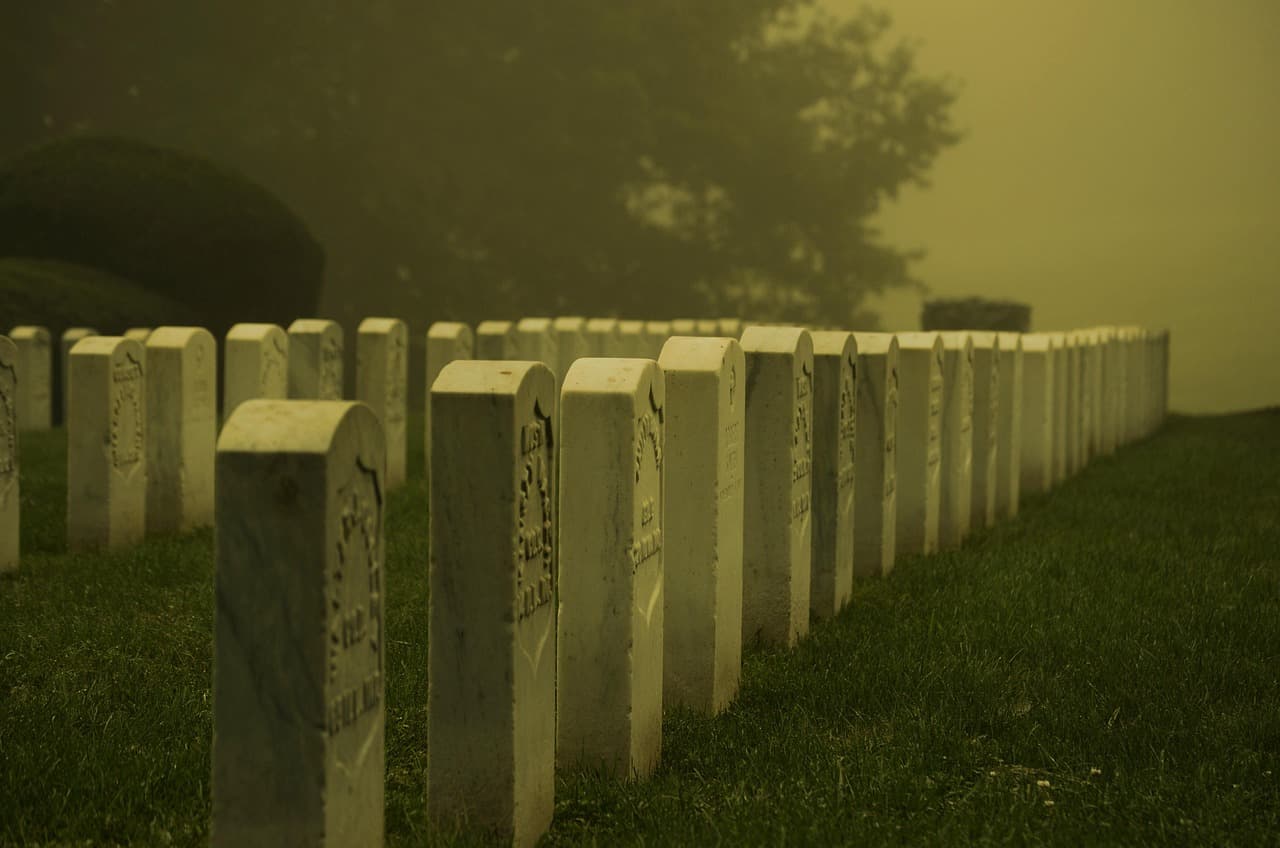
Three years on, 7 October survivors' trauma remains close to the surface of daily life: a former hostage who finds himself back in Gaza in his mind, and a caretaker at Nir Oz kibbutz, soon to turn 89, tending two lines of fresh headstones that all carry the same date.
A dual life after 484 days in Gaza
Through 484 days as a hostage of Hamas in Gaza, Keith Siegel kept a mental record: every place he was held, every date he was moved, every attack or humiliation he endured or witnessed. He stored it all, he explained, as intelligence that might help Israeli forces free other hostages if he was released, as a way of tracking the passing days, and so he could one day tell his family what had happened to him.
Interviewed in Tel Aviv, Siegel said he now lives a dual life, present part of the time and back in Gaza the rest, and that putting the experience into words is very hard.
He and his wife Aviva lived in Kfar Aza, a kibbutz also among the worst hit, and the couple have decided not to return while they concentrate on their mental and physical recovery. Aviva was 62 when they were kidnapped; Keith was 64.
Aviva Siegel said what she and Keith experienced in Gaza is constantly present, and that healing will be a process in which reminders keep surfacing between them. The reminders can arrive in the middle of an ordinary task: "If I'm cooking lunch or making a cup of tea and I turn around and see Keith with tears in his eyes," she said, describing the moments when he has read something or let himself feel.
The days approaching this anniversary have been particularly difficult for her. A year earlier she was still campaigning for the release of other hostages, and the campaigning held her own emotions at bay.
The deadliest day in Israel's history
The attacks began on 7 October 2023, when Hamas militants broke across the border to launch a wave of assaults on kibbutzim, border towns, military bases and music festivals. Israel's security forces were caught by surprise.
- •1,209 people had been killed by the time security forces regained control - the majority of them civilians, including 36 children, according to records kept by the Israeli newspaper Haaretz
- •251 people were taken captive to Gaza, among them Keith and Aviva Siegel
- •the date is remembered as the deadliest day in Israel's history
The third anniversary falls a few weeks before Israel's national elections. Much of the country is absorbed in a furious debate about responsibility for the deadliest day in Israel's history and about the conduct of the war that followed. Survivors and bereaved relatives are staying out of that political fray while they grapple with trauma and try to rebuild normality.
Nir Oz lost more than a quarter of its people
Shlomo Margalit, who will soon turn 89, is the caretaker of the Nir Oz cemetery. It holds two lines of fresh headstones, marking lives that all ended on the same date. One shared plot for a family of five - a mother, father and their three young children - has been made into a garden, with space left for the grandparents who are still living.
Margalit points to the graves of three of his oldest friends, founding members of the kibbutz who came to Nir Oz from Haifa with him in the 1950s. Tending the place, he said, is both a duty and a matter of who he is: "This is my life project, as well as my home." He still gives interviews despite the pain, he said, because he wants people to know what really happened here.
The story he tells is of a community left to defend itself. A five-person volunteer defence force held Hamas at bay for at least two hours, Margalit said. Once the defenders had all been shot, the kibbutz was overrun and sacked: homes were burned, families slaughtered and kidnapped. The Hamas forces, other Palestinian gunmen and civilian looters had left before the first Israeli soldier arrived, and the army never fired a single shot to defend Nir Oz.
Even on a day of many failures, the scale of the state's failure in Nir Oz was staggering:
- •47 people were killed at the kibbutz
- •76 were taken to Gaza
- •together, the dead and the hostages represented more than a quarter of the small community
Among those taken were Shiri Bibas, her 10-month-old baby Kfir and four-year-old Ariel, who were killed in Gaza. Gadi Moses, 82, survived 482 days as a hostage; his former home is where Margalit lives while he waits for a new house.
Rebuilding, and arguing over how to remember
Several rows of new houses near the kibbutz entrance are already occupied, and the sound of construction carries to the cemetery. On the other side of the compound, paths still lead between blackened ruins and memorials to the dead. What should become of those ruins divides the community: some bereaved survivors want the homes of loved ones preserved as permanent monuments to their loss.
Margalit said some families cannot bear to live at Nir Oz but want a memorial place to come and visit. Yet he has questioned whether a new kibbutz can be built where children would grow up running around between burnt houses. He sits on the remembrance committee, which has struggled for two years to decide; there is no right or wrong answer, he said.
His own choice was made when Nir Oz collectively decided to return and rebuild: he and his wife Hanna chose to join, and his only concession to the trauma was asking for a new home that does not face Gaza. "I've found myself building this place for the second time. I know when I'm gone, I will have done something with my life," he said.
The remembrance question remains open. The committee is still trying to find an answer two years on, the memorial garden on the border of the kibbutz is the compromise under discussion, and for now plaques with the stories of the attacked families and a memorial house for the dead and kidnapped stand in for a decision.