• Analysis
SpaceX Starship launch test ends with first-ever upper-stage catch
SpaceX's Starship upper stage was caught by the launch tower's mechanical arms in Texas on Saturday, the first time the company has caught the upper stage, after a roughly 22-hour mission that orbited Earth 14 times.
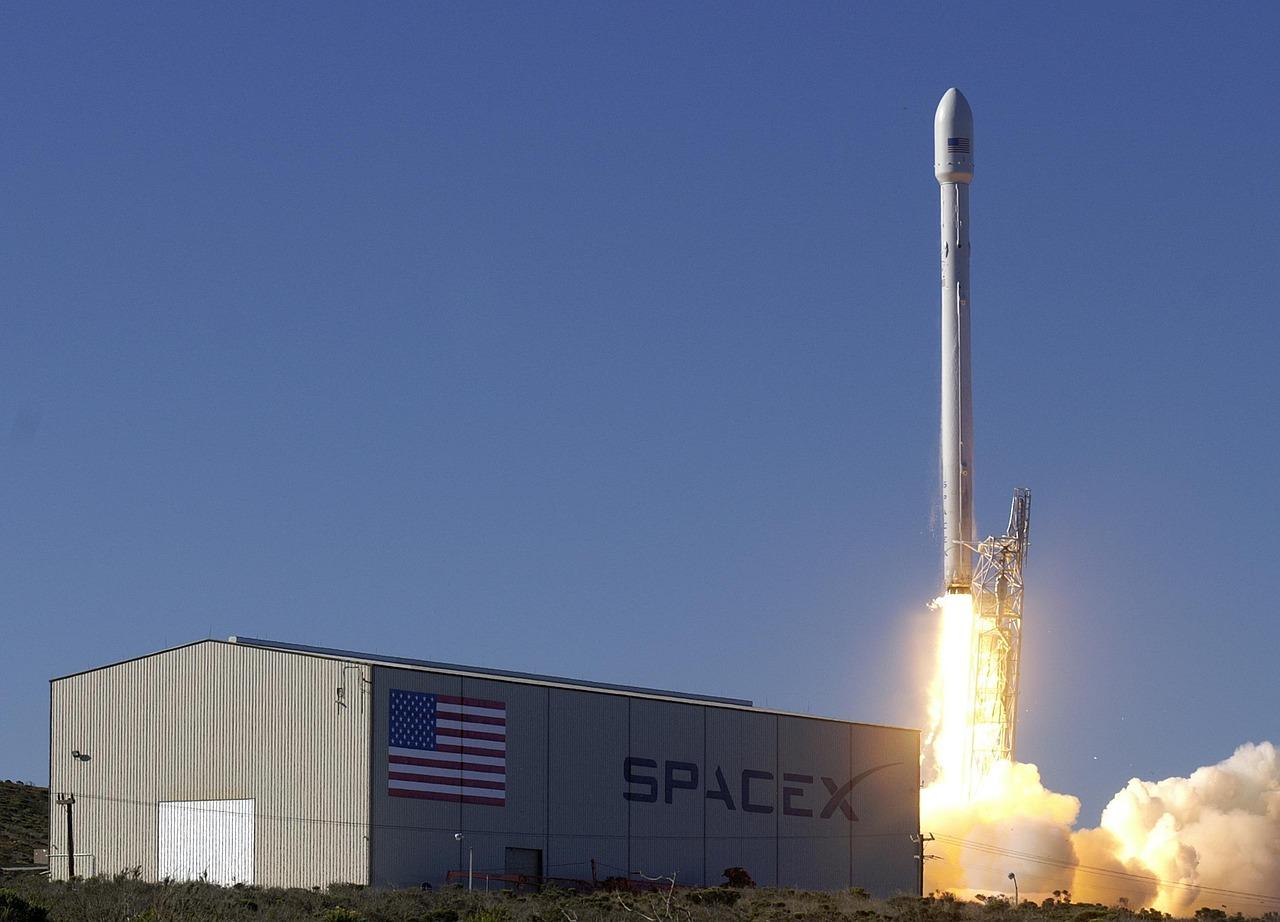
A first catch for the upper stage
A SpaceX Starship launch from Texas ended on Saturday with the upper stage descending into the launch tower's mechanical arms, closing out a roughly 22-hour mission in which the craft orbited Earth 14 times. It was the first time the company has caught its Starship upper stage.
The 171-foot (52-meter), bullet-shaped upper stage was guided back to the pad after its time in orbit.
The double-catch that fell short
The flight, Starship's 15th test flight, had been planned as a double-catch mission that would return all rocket parts intact to the launch site rather than recovering them from the sea.
The plan came apart minutes into the flight:
- •The Super Heavy booster, whose Raptor engines powered the orbital ascent, diverted a few minutes after takeoff on Friday.
- •The booster then exploded in the Gulf of Mexico.
- •The guidance, navigation and control (GNC) system had triggered the booster's no-go call, ruling out a catch attempt.
Why the booster stood down
SpaceX spokesperson Dan Huot said early on Saturday that the system acted because the booster was not in position to be caught.
"It was doing what it was supposed to do. Basically, it detected that the booster was not in the place it was supposed to be."
What Starship is for
Nasa has contracted SpaceX and Jeff Bezos's Blue Origin for its plan to return humans to the lunar surface, with a 2028 date nearing. Musk has sought to make Starship a rapidly reusable rocket that can land and take off much like standard airplanes, and he has pushed a plan to carry humans to Mars.
On a recent earnings call, Elon Musk said SpaceX plans to ramp Starship test flights to a weekly and then twice-weekly cadence.