• Analysis
SpaceX Starship Catch Attempt On Track as Ship Sets for Return to Earth
SpaceX's Starship spacecraft, healthy in orbit after its launch from Starbase, Texas on Friday, was on track Saturday for a first mid-air catch attempt. The flight's earlier Super Heavy booster catch failed after its guidance system aborted the descent.
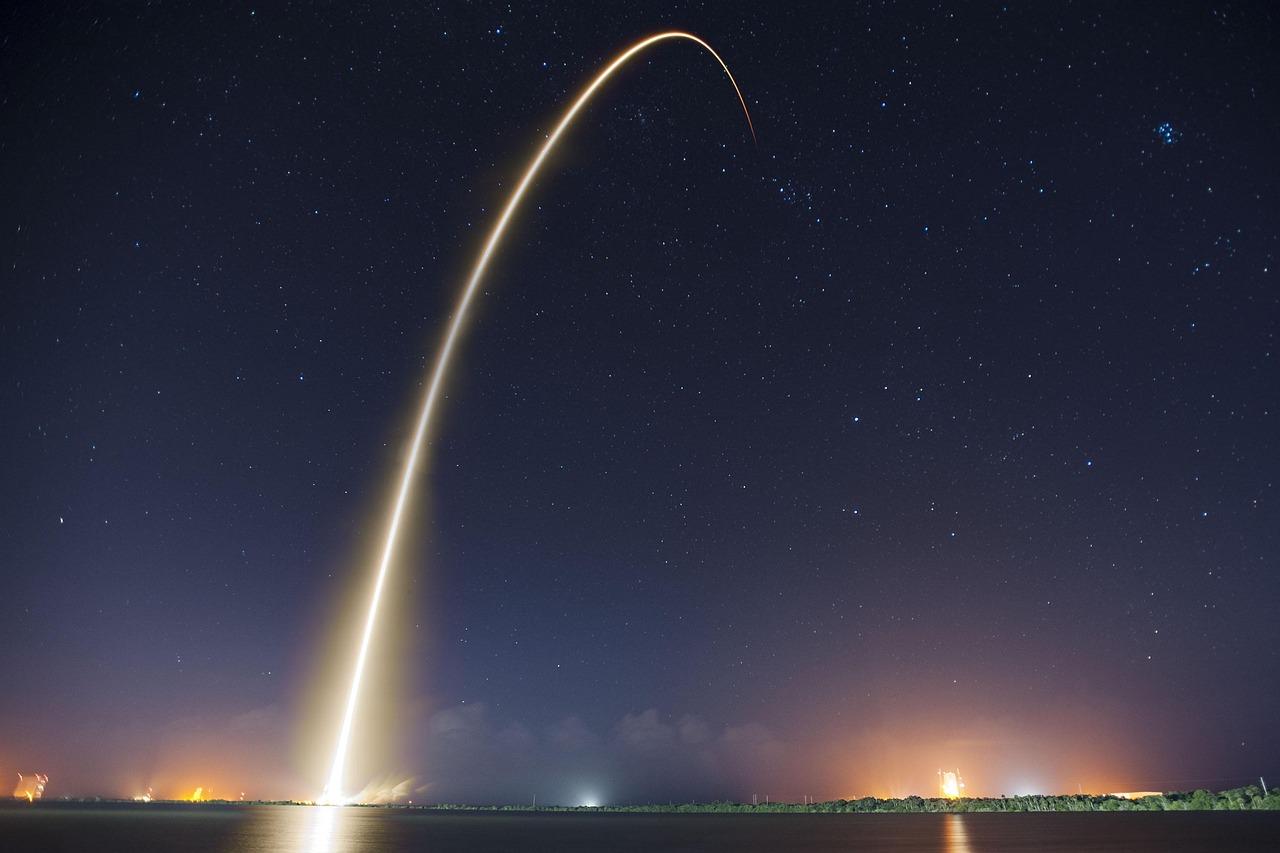
Booster capture aborted over the Gulf
The 124-meter (407-foot) rocket lifted off Friday from its launch pad at Starbase, on what was meant to be a twin capture of both the Super Heavy booster and Starship. Instead, after stage separation, the booster's guidance, navigation and control system aborted the capture attempt during descent.
"The booster was not in the place that it was supposed to be to proceed with the catch," SpaceX spokesman Dan Huot said, adding that engineers were investigating the root cause. Super Heavy, previously caught three times by SpaceX, diverted to the Gulf of Mexico just off the launch site and automatically self-destructed before hitting the water.
A productive flight in orbit
While the booster was lost, the rest of the mission proceeded. It was the 15th test flight of the world's biggest and most powerful rocket system, and Starship successfully deployed 26 satellites shortly after arriving in space Friday to join Musk's Starlink satellite internet constellation.
The ship was expected to:
- •Orbit Earth 14 times
- •Return Saturday at the end of a 22-hour flight
- •Close out the flight with a first mid-air catch attempt of the vehicle itself
"Overall the ship's still looking healthy, and we are still on track for a catch attempt here at Starbase," Huot said Saturday.
How the catch attempt works
Flight control would decide on the capture attempt about two hours before Starship's scheduled return at 3:18 pm (2118 GMT). Getting back is demanding: "If you want to get back to the east coast of Texas, you have to fly over the entire continent to get back there," explained senior SpaceX engineer Lars Blackmore.
Once the rocket flies over land, operators can do nothing for 21 minutes. "there's 21 minutes where the operators can't do anything, and so we're just going to be holding our breath for that time," Blackmore said.
The return path takes Starship over lightly inhabited desert and towns, then a "giant swoosh maneuver" looping around the cities of Texas' Rio Grande Valley and approaching its landing site from the east. For the catch, Starship is meant to nestle vertically between two mechanical "chopstick arms" at the launch site, falling faster and from higher altitude than the booster.
What Starship is for
Some Starship versions will launch satellites and data centers into orbit; others are made to ferry people to the Moon and Mars. NASA expects Starship to serve as a lunar lander on its Artemis mission, and administrator Jared Isaacman congratulated SpaceX on Friday for "another spectacular launch" without mentioning the booster failure.
Unsolved engineering challenges remain, including transferring fuel to the spaceship while in orbit - a requirement for any journey to the Moon or Mars. After a June stock market debut that raised about $85.7 billion, SpaceX is investing heavily in production and launch capabilities. At its million-square-foot (93,000-square-meter) Starbase factory, officials said it can now produce a spaceship every two weeks and a booster every four weeks.
Flight control decides about two hours before the scheduled 3:18 pm (2118 GMT) return whether the catch attempt proceeds.