Politics
• Analysis
Pressure mounts on Healey over UK energy bills as costs rise
Chancellor John Healey faces mounting pressure to provide financial support in the upcoming budget as UK energy bills rise by 4% to an average of £1,723.
By Haut Monde Post
• October 1, 2026
• 3 Min Read
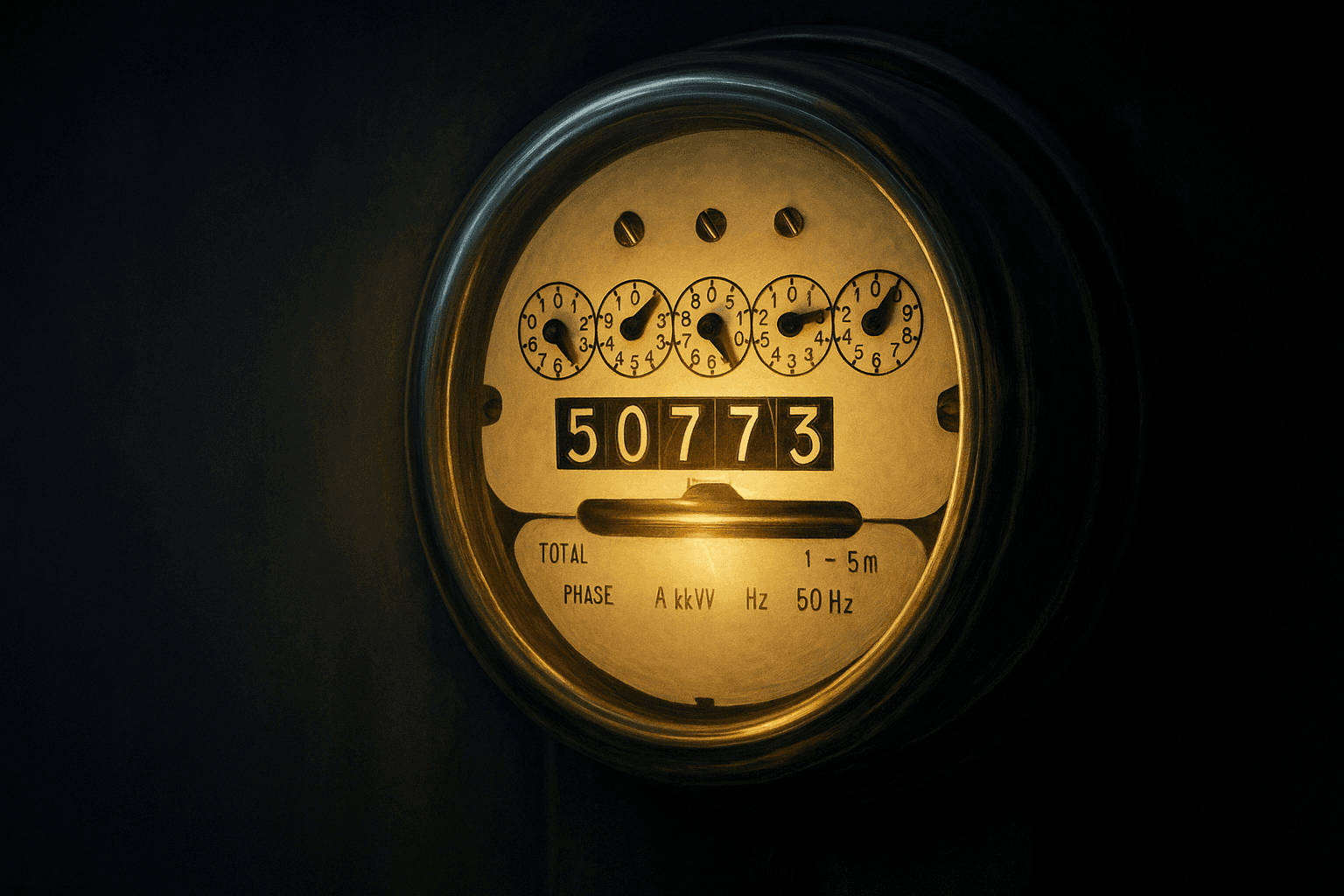
Chancellor John Healey faces mounting pressure to provide financial support in the upcoming budget as UK energy bills rise by 4% to an average of £1,723.
Rising costs and budget pressure
Great Britain's regulator, Ofgem, determines the quarterly energy price cap, which is set to reach a three-year peak. Starting Thursday, the average annual energy bill for a typical home will reach £1,723. Cornwall Insight forecasts that the energy cap will climb an additional 16% in January, bringing the average dual-fuel bill to £1,999.
The Cost of Living Action campaign group coordinated an open letter demanding universal energy support. The signatories to this letter include:
- •New Economics Foundation
- •Joseph Rowntree Foundation
- •Generation Rent
- •Neal Lawson
- •Mathew Lawrence
Government response and fiscal limits
Prime Minister Andy Burnham reduced VAT on electricity bills, a measure saving the average household £45 annually from 1 October. Previously, Burnham announced a six-month VAT holiday on electricity bills alongside a £2 cap on bus fares in England. Despite these steps, Burnham told the BBC there was not "huge room for manoeuvre" for further action.
Burnham acknowledged that energy costs represent the most dreaded expense for numerous households.
Speaking at the Labour conference in Liverpool, Chancellor John Healey stated the government has limited resources to cushion global economic shocks. Healey argued the upcoming budget would keep fiscal discipline at its core. He warned that the financial resources New Labour possessed in the 1990s are "simply not there now". Nevertheless, Healey promised to offer "a bit of breathing space" for households and businesses. Treasury sources indicate the 28 October budget will stay tightly focused amid bond market jitters.
Calls for further action
Paul Nowak stated this "energy bill emergency" meant the government should "go further and faster" in the budget. The New Economics Foundation urged a national energy guarantee providing basic energy at a fixed low cost.
Polling by More in Common found 28% of households are extremely worried about the Iran war increasing bills. The same poll showed 43% are quite concerned, and 66% of British adults believe the government must do more about energy costs.
An unnamed Labour MP warned that the vibes will end without fresh energy support. The same Labour MP claimed the Treasury does not understand where the country is.
The Treasury is considering extending the VAT holiday and shifting clean energy levies to general taxation.