• Analysis
Aides weigh resignation over Rosebank oilfield as Labour split deepens
More than one frontbench ministerial aide is considering resigning if the government approves the Rosebank oilfield, as 92 backbenchers and at least four frontbenchers sign a letter to Prime Minister Andy Burnham opposing the North Sea scheme.
Aides consider their position
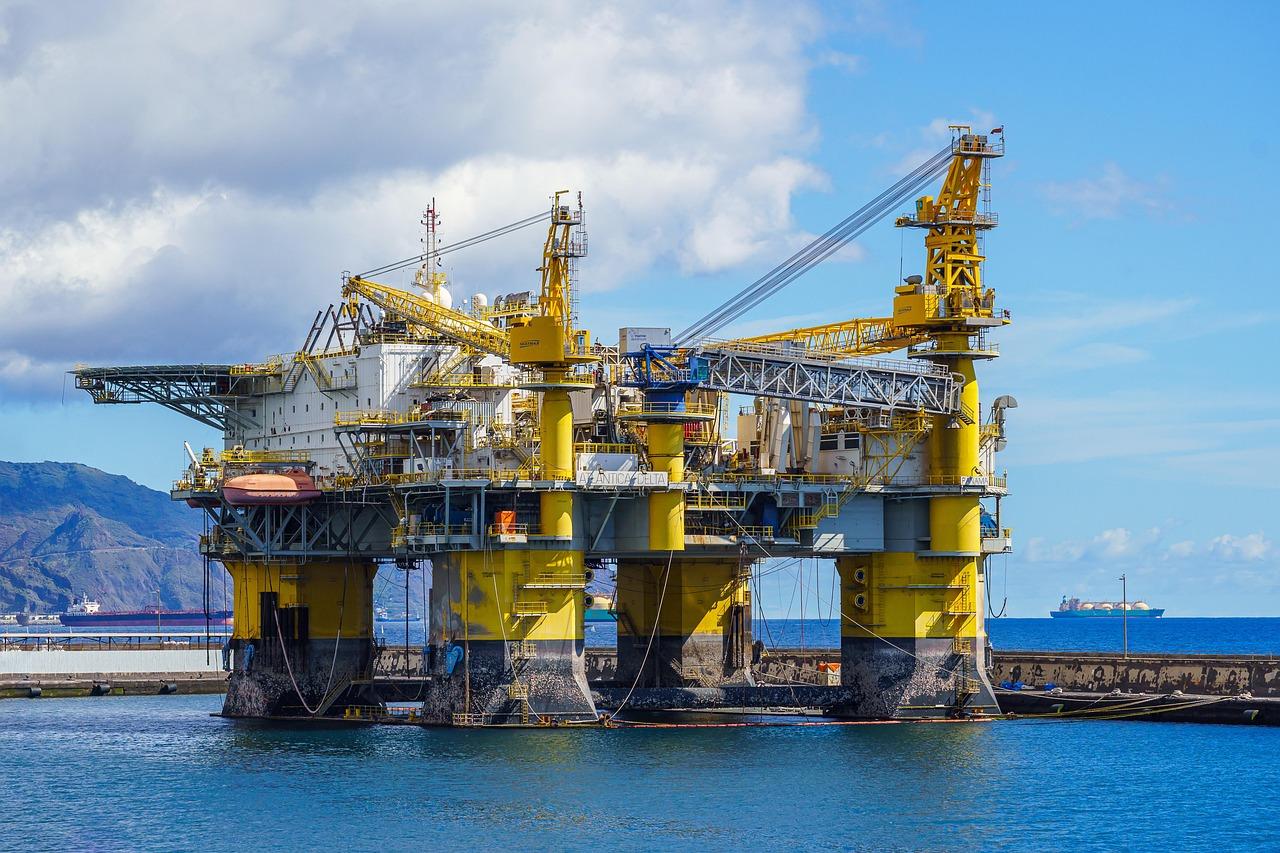
The Labour split over the Rosebank oilfield has reached the edge of the government itself: more than one frontbench ministerial aide is considering resigning if the project is approved, according to the report behind this story. The warning lands alongside the formal delivery of a letter from 92 backbenchers and at least four frontbenchers urging Andy Burnham not to let ministers approve the scheme, which targets the biggest undeveloped oilfield in UK waters.
Catherine Fookes, the MP for Monmouthshire who helped organise the letter, said concern runs through the parliamentary party. "Concern about this project is widespread within the parliamentary Labour party," she said.
"I hope he will see these names and see the letter and take note," Fookes said of the prime minister.
Who signed, and why it matters politically
The letter's case rests on climate credibility and household costs. In a separate article for the Guardian, Fookes wrote that "Rosebank will do nothing to reduce energy bills for our constituents", since its oil belongs to private companies shipping it to the highest bidder. Approving it, she argued, would accelerate a climate crisis already pushing up food bills and causing floods. The letter itself warns that approval risks becoming an irreversible 'point of no return' for the party's climate credibility.
The political geography behind the signatures matters as much as their number:
- •Many, though not all, of the MPs who signed hold seats under threat from the Green party.
- •The 92 backbenchers are joined by at least four frontbenchers, a step beyond a purely rank-and-file protest.
- •Some Labour MPs already doubt Burnham's climate commitment after cuts to green projects and proposals to water down electric vehicle targets.
Against the rebels, chancellor John Healey and many Scottish MPs are pushing for Rosebank to go ahead. Opponents counter that the roughly 500 jobs the project would create should not outweigh the climate damage, and that hundreds of millions of pounds in lost revenue could easily be made up from elsewhere in the budget.
The stakes after Cop31
For some MPs, blocking Rosebank gained urgency after the collapse of the Cop31 climate talks in Turkey. One MP questioned what Britain's standing in future negotiations would be if the field went ahead. "If a country like Britain cannot make a decision like this, what hope is there," the MP said.
The decision sits at the centre of a wider political battle over industrial policy and net zero, one that involves Rosebank and the smaller Jackdaw gasfield and threatens to become Burnham's first major political crisis since entering Downing Street.
Where the decision stands
The choice formally rests with energy secretary Miatta Fahnbulleh, understood to be leaning against approving the bigger project. She faces pressure from trade unions and cabinet colleagues including Healey, since Rosebank would create about 500 jobs and generate as much as £500m a year in tax revenues.
Fahnbulleh approved Jackdaw last month, arguing that the additional carbon it produced would be offset by added energy security, and has indicated the same arguments would not apply to Rosebank, estimated to add 1 million tonnes of carbon dioxide by 2042 with most of its oil shipped abroad. Burnham has insisted it will be up to Fahnbulleh to make the decision, though Labour MPs think she would have little choice if he backed approval.