• Analysis
Netflix licence fee report: ministers decline to confirm streaming levy
UK ministers have not confirmed a reported plan to charge the £180 BBC licence fee to households watching streaming services such as Netflix, even if they do not watch the BBC. Education Secretary Lucy Powell said 'I don't think any decisions have yet been taken'.
What The Times reported
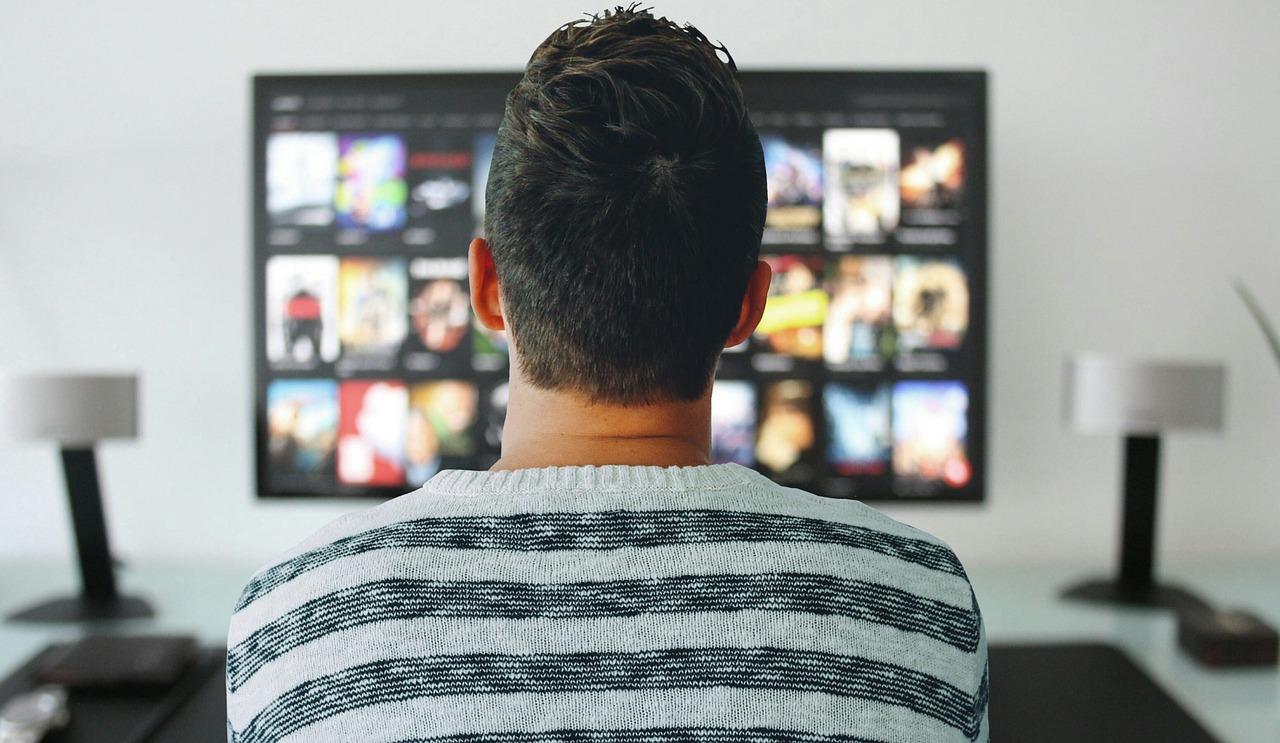
A report in The Times says the UK government is considering extending the £180 BBC licence fee to households that watch streaming services such as Netflix, Amazon Prime and Disney+, even where those households never watch the BBC. Under the reported Netflix licence fee plan, payment would no longer depend on watching the national broadcaster.
Government figures are yet to confirm the reported move, which would be aimed at shoring up the media institution's financial security. The licence fee stands at £180 for the year and funds the whole corporation and its key news and journalism services, alongside TV and radio programming.
Powell: 'no decisions have yet been taken'
Appearing on Laura Kuennsberg's BBC show, Education Secretary Lucy Powell was asked: "Why should people who only want to watch Netflix have to pay for the BBC?"
Powell declined to confirm or deny the reported licence fee change, saying "I don't think any decisions have yet been taken". She pointed instead to work under way in the Culture Secretary's department, saying Nandy is looking at proposals that can secure the long term future of the BBC as a vital public service with long-term financial sustainability.
"I don't think any decisions have yet been taken"
Open questions on enforcement and cost
The proposal leaves several issues unresolved, according to the report.
- •How mostly American-based streaming giants will react to charges imposed on their user base in Britain.
- •How such a charge would be enforced.
- •How viewers themselves would respond.
- •The licence fee at £180 is about £20-80 more per year than most standard advert-free streaming plans.
The Treasury has already ruled out other, more radical proposals, such as a household levy for the BBC, calling them politically impossible.
Nandy's funding model and the charter
Culture Secretary Lisa Nandy is working on BBC financing, and her proposed new funding model is expected to be published before the end of the year. It could form part of the BBC's next 10-year charter.
The report sets out the funding pressures behind the plan. Non-payment of the licence fee has risen from about 9% of households in 2015 to about 23% last year, a trend described as accelerating. Independent analysis by Oliver & Ohlbaum Associates suggested this week that fewer than half of households in Britain will be paying the BBC's licence within a decade if nothing changes.
The same modelling says the BBC's licence fee income could be worth less than half its current level in real terms by 2037-38 at the current rate. The corporation also faces pressure from decade-long freezes to the licence fee, extra costs loaded on to the BBC by previous governments, and changing viewing habits. Despite that, the BBC remains the UK's most-used media brand, reaching 94% of adults every month.
The next step is the publication of Nandy's funding model, expected before the end of the year, with the possibility it shapes the BBC's next 10-year charter.