Sunday, October 11, 2026

english

HAUT MONDE

POST

Politics

• Analysis

Falling international student numbers Australia leave universities under two-thirds capacity, expert warns

Australian universities are filling on average only two-thirds of their allocated international student places, October Department of Education figures show, with regional institutions such as Charles Sturt University warning of heavy financial losses.

By Haut Monde Post

• October 10, 2026

• 4 Min Read
Falling international student numbers Australia leave universities under two-thirds capacity, expert warns

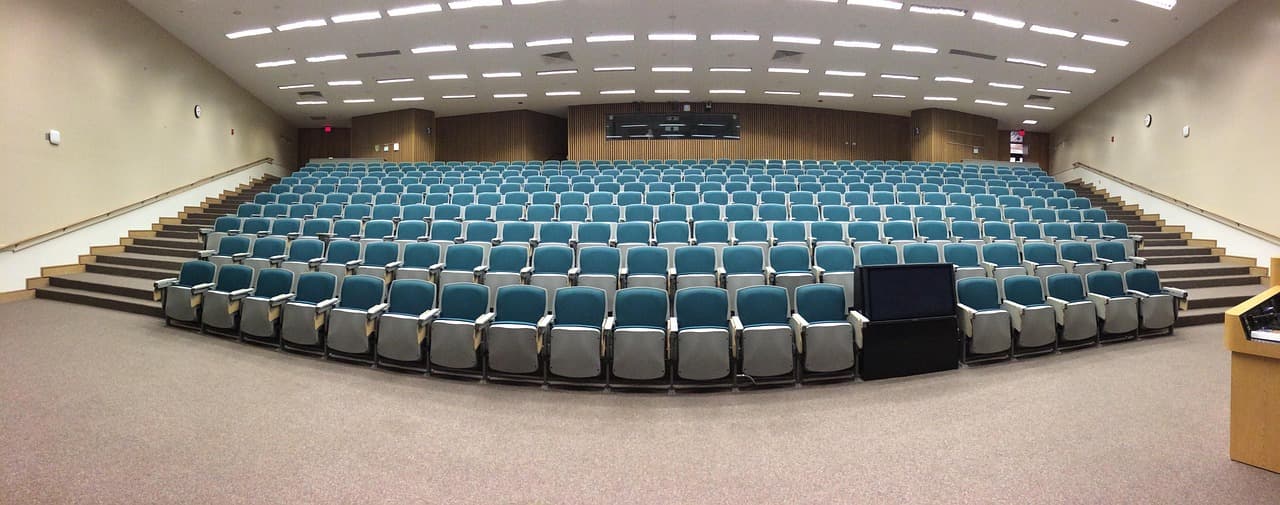
Australian universities are, on average, filling just two-thirds of the international student places allocated to them, according to October figures from the Department of Education. The shortfall is being felt most sharply outside the big metropolitan institutions, where falling international student numbers Australia universities depend on have pushed several regional campuses to announce job cuts and restructuring.

Only five universities near full

The department's data shows the sector far from the government's planning settings:

  • •On average, universities are filling about two-thirds of their allocated international student places.
  • •Just five public universities have passed 80% capacity, and every one of them is in a capital city.
  • •The government's 2026 planning level is 295,000 students, while current numbers are tracking towards 250,000 - just above the Coalition's proposed level of 240,000.

Charles Sturt counts a $35m gap

Charles Sturt University, a regional institution, is well below even the sector average. Mike Ferguson, its pro vice-chancellor of international students, said the university has filled only 40% of its cap this year and is about 35% down on last year. On pre-pandemic recruitment, he said the institution currently has only a fifth of the international student volume it held before Covid arrived.

The university estimates the gap between its pre-Covid international recruitment and now is costing $35m, and it has announced job cuts and restructuring in response.

Ferguson pointed to government policy as the cause: visa applications now cost $2,500, refusal rates are high, and announcements by the Coalition and One Nation have added growing uncertainty around international students. Regional universities draw heavily on south Asian markets where visa refusal rates sit at about 53%. Applicants, he said, are being asked to pay world record visa fees with only roughly a one-in-two chance of success, which deters new students from applying.

Despite the pressure, Charles Sturt does support Labor's decision to crack down on onshore student transfers and visa hopping.

Other universities report the same pressure

The concern extends well beyond one campus. Prof Andrew Norton said declining numbers affect every public university, because institutions use international fees to cross-subsidise teaching and research - in his words, "international students are basically the only profitable aspect of university operations".

At Federation University in regional Victoria, vice-chancellor Duncan Bentley said the university is facing significant pressures with far fewer international students enrolling this year. Western Sydney University vice-chancellor George Williams said his institution has also experienced significant declines in overseas students.

Williams warned that deficits could reach domestic students, because "international students heavily subsidise domestic students, and it puts real pressure" on places and services. He added that the heated political debate risks sending a message "which would lead people to wonder whether they would be welcome in Australia".

Adelaide University said in September that, following its merger with the University of South Australia, it had reached only 60% of its international student capacity, with a potential revenue shortfall of $90m.

A proposed fix: a regional skills visa

Federation University has pushed for a special regional skills student visa that would prioritise international students enrolling in courses in areas such as allied health or teaching. Under Bentley's proposal, the visa would apply where the course sits on a regional skills shortage list and domestic graduates cannot meet demand.

Bentley has also endorsed the government's 12-month ban on course hopping, apart from exceptional and genuine circumstances.

Phil Honeywood, chief executive of the International Education Association of Australia, warned that diminishing international student numbers in regional areas could lead to critical skills shortages. He said the high non-refundable visa cost makes the system "more like a lottery ticket", and flagged cascading shortages of nurses, childcare workers, aged care workers and engineers.

Ahead still are further policy changes: Labor will reduce the number of international students eligible to bring family while studying, and the Coalition has promised to abolish temporary graduate visas.
Sunday, Oct 11, 2026

english

Politics

• Analysis

Falling international student numbers Australia leave universities under two-thirds capacity, expert warns

Australian universities are filling on average only two-thirds of their allocated international student places, October Department of Education figures show, with regional institutions such as Charles Sturt University warning of heavy financial losses.

By Haut Monde Post

Oct 10, 2026 • 4 Min Read

Falling international student numbers Australia leave universities under two-thirds capacity, expert warns

Australian universities are, on average, filling just two-thirds of the international student places allocated to them, according to October figures from the Department of Education. The shortfall is being felt most sharply outside the big metropolitan institutions, where falling international student numbers Australia universities depend on have pushed several regional campuses to announce job cuts and restructuring.

Only five universities near full

The department's data shows the sector far from the government's planning settings:

  • •On average, universities are filling about two-thirds of their allocated international student places.
  • •Just five public universities have passed 80% capacity, and every one of them is in a capital city.
  • •The government's 2026 planning level is 295,000 students, while current numbers are tracking towards 250,000 - just above the Coalition's proposed level of 240,000.

Charles Sturt counts a $35m gap

Charles Sturt University, a regional institution, is well below even the sector average. Mike Ferguson, its pro vice-chancellor of international students, said the university has filled only 40% of its cap this year and is about 35% down on last year. On pre-pandemic recruitment, he said the institution currently has only a fifth of the international student volume it held before Covid arrived.

The university estimates the gap between its pre-Covid international recruitment and now is costing $35m, and it has announced job cuts and restructuring in response.

Ferguson pointed to government policy as the cause: visa applications now cost $2,500, refusal rates are high, and announcements by the Coalition and One Nation have added growing uncertainty around international students. Regional universities draw heavily on south Asian markets where visa refusal rates sit at about 53%. Applicants, he said, are being asked to pay world record visa fees with only roughly a one-in-two chance of success, which deters new students from applying.

Despite the pressure, Charles Sturt does support Labor's decision to crack down on onshore student transfers and visa hopping.

Other universities report the same pressure

The concern extends well beyond one campus. Prof Andrew Norton said declining numbers affect every public university, because institutions use international fees to cross-subsidise teaching and research - in his words, "international students are basically the only profitable aspect of university operations".

At Federation University in regional Victoria, vice-chancellor Duncan Bentley said the university is facing significant pressures with far fewer international students enrolling this year. Western Sydney University vice-chancellor George Williams said his institution has also experienced significant declines in overseas students.

Williams warned that deficits could reach domestic students, because "international students heavily subsidise domestic students, and it puts real pressure" on places and services. He added that the heated political debate risks sending a message "which would lead people to wonder whether they would be welcome in Australia".

Adelaide University said in September that, following its merger with the University of South Australia, it had reached only 60% of its international student capacity, with a potential revenue shortfall of $90m.

A proposed fix: a regional skills visa

Federation University has pushed for a special regional skills student visa that would prioritise international students enrolling in courses in areas such as allied health or teaching. Under Bentley's proposal, the visa would apply where the course sits on a regional skills shortage list and domestic graduates cannot meet demand.

Bentley has also endorsed the government's 12-month ban on course hopping, apart from exceptional and genuine circumstances.

Phil Honeywood, chief executive of the International Education Association of Australia, warned that diminishing international student numbers in regional areas could lead to critical skills shortages. He said the high non-refundable visa cost makes the system "more like a lottery ticket", and flagged cascading shortages of nurses, childcare workers, aged care workers and engineers.

Ahead still are further policy changes: Labor will reduce the number of international students eligible to bring family while studying, and the Coalition has promised to abolish temporary graduate visas.
Sunday, Oct 11, 2026

english

Politics

• Analysis

Falling international student numbers Australia leave universities under two-thirds capacity, expert warns

Australian universities are filling on average only two-thirds of their allocated international student places, October Department of Education figures show, with regional institutions such as Charles Sturt University warning of heavy financial losses.

By Haut Monde Post

Oct 10, 2026 • 4 Min Read

Falling international student numbers Australia leave universities under two-thirds capacity, expert warns

Australian universities are, on average, filling just two-thirds of the international student places allocated to them, according to October figures from the Department of Education. The shortfall is being felt most sharply outside the big metropolitan institutions, where falling international student numbers Australia universities depend on have pushed several regional campuses to announce job cuts and restructuring.

Only five universities near full

The department's data shows the sector far from the government's planning settings:

  • •On average, universities are filling about two-thirds of their allocated international student places.
  • •Just five public universities have passed 80% capacity, and every one of them is in a capital city.
  • •The government's 2026 planning level is 295,000 students, while current numbers are tracking towards 250,000 - just above the Coalition's proposed level of 240,000.

Charles Sturt counts a $35m gap

Charles Sturt University, a regional institution, is well below even the sector average. Mike Ferguson, its pro vice-chancellor of international students, said the university has filled only 40% of its cap this year and is about 35% down on last year. On pre-pandemic recruitment, he said the institution currently has only a fifth of the international student volume it held before Covid arrived.

The university estimates the gap between its pre-Covid international recruitment and now is costing $35m, and it has announced job cuts and restructuring in response.

Ferguson pointed to government policy as the cause: visa applications now cost $2,500, refusal rates are high, and announcements by the Coalition and One Nation have added growing uncertainty around international students. Regional universities draw heavily on south Asian markets where visa refusal rates sit at about 53%. Applicants, he said, are being asked to pay world record visa fees with only roughly a one-in-two chance of success, which deters new students from applying.

Despite the pressure, Charles Sturt does support Labor's decision to crack down on onshore student transfers and visa hopping.

Other universities report the same pressure

The concern extends well beyond one campus. Prof Andrew Norton said declining numbers affect every public university, because institutions use international fees to cross-subsidise teaching and research - in his words, "international students are basically the only profitable aspect of university operations".

At Federation University in regional Victoria, vice-chancellor Duncan Bentley said the university is facing significant pressures with far fewer international students enrolling this year. Western Sydney University vice-chancellor George Williams said his institution has also experienced significant declines in overseas students.

Williams warned that deficits could reach domestic students, because "international students heavily subsidise domestic students, and it puts real pressure" on places and services. He added that the heated political debate risks sending a message "which would lead people to wonder whether they would be welcome in Australia".

Adelaide University said in September that, following its merger with the University of South Australia, it had reached only 60% of its international student capacity, with a potential revenue shortfall of $90m.

A proposed fix: a regional skills visa

Federation University has pushed for a special regional skills student visa that would prioritise international students enrolling in courses in areas such as allied health or teaching. Under Bentley's proposal, the visa would apply where the course sits on a regional skills shortage list and domestic graduates cannot meet demand.

Bentley has also endorsed the government's 12-month ban on course hopping, apart from exceptional and genuine circumstances.

Phil Honeywood, chief executive of the International Education Association of Australia, warned that diminishing international student numbers in regional areas could lead to critical skills shortages. He said the high non-refundable visa cost makes the system "more like a lottery ticket", and flagged cascading shortages of nurses, childcare workers, aged care workers and engineers.

Ahead still are further policy changes: Labor will reduce the number of international students eligible to bring family while studying, and the Coalition has promised to abolish temporary graduate visas.