World
• Analysis
Delhi protest crackdown detains Cockroach movement leader Abhijeet Dipke amid lockdown
Indian authorities locked down Delhi on Saturday and detained tens of thousands of people, including Abhijeet Dipke, leader of the youth-led Cockroach movement, as part of a sweeping Delhi protest crackdown against an electoral roll revision that removed 130 million names.
By Haut Monde Post
• October 10, 2026
• 6 Min Read
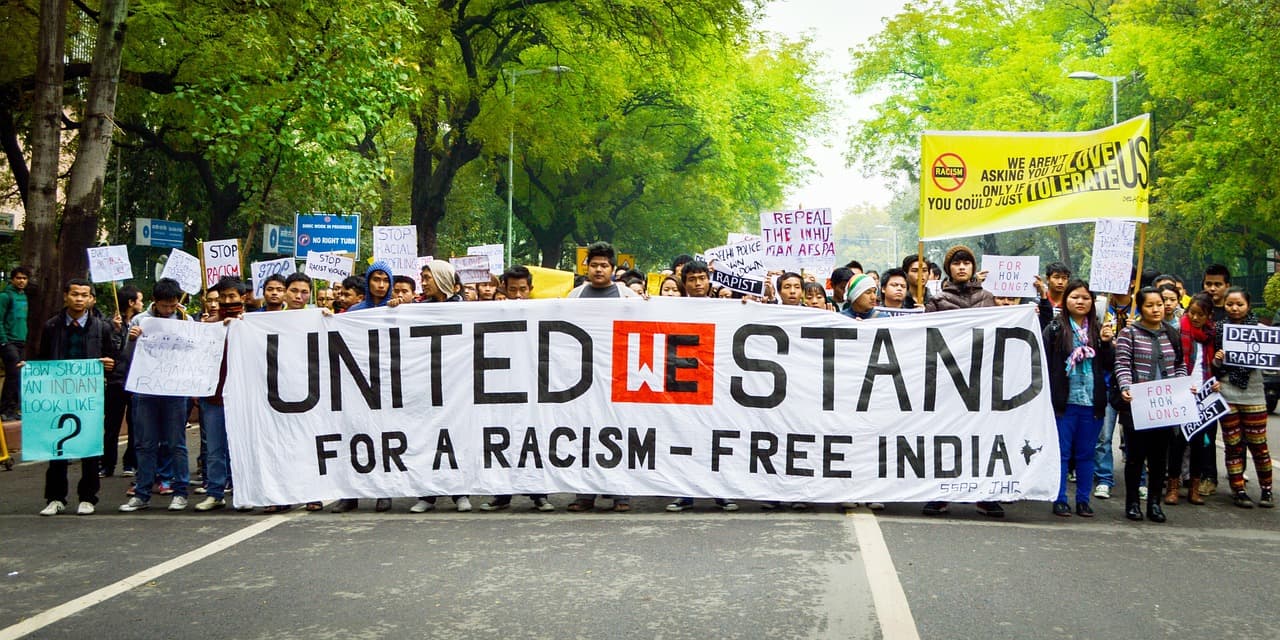
Police boarded Abhijeet Dipke's plane as it landed at Delhi airport on Saturday morning and detained him along with several other senior figures of the Cockroach movement, as authorities moved to stop a protest in the centre of the capital before it could begin.
Tens of thousands of members and supporters of the Cockroach Janata Party (CJP) were reported arrested or detained across India as Delhi was placed under a severe lockdown.
The detention of the Cockroach movement leader
Dipke, the founder and leader of the CJP, had accused the government of being scared of the young people rising up in protest. He called the mass crackdown on protesters and the shutdown of Delhi signs not of strength but of a leader terrified of his own people.
In a video recorded before his detention, he said that if the authorities thought jail threats would stop the movement, they had it wrong, and that those detained would keep fighting to protect the democracy of the country.
Among those also confined was Dhruv Rathee, a YouTuber with 33 million followers who has become a supporter of the CJP and was put under house arrest.
Why the protest was called
The protest had been called by the CJP against an electoral roll revision that has stripped 130 million names from India's electoral roll. The movement, along with opposition parties, civil society and student groups, alleged that the process of "purifying" the voter roll was done to entrench the power of Narendra Modi's government, and demanded the resignation of chief election commissioner Gyanesh Kumar, who oversaw the exercise.
The background to the dispute stretches back over the past year:
- •The revision, known as "special intensive revision" (SIR), began last year and drew criticism after millions of names emerged as being deleted.
- •The backlash grew when SIR was held in West Bengal and Muslims and other minorities, who traditionally do not vote for Modi's BJP, were disproportionately stripped of their vote.
- •The issue became a national outrage in late September, when the Indian Express newspaper published an investigation that exposed multiple irregularities in the SIR process, flagged in more than a dozen internal objections that Kumar overruled.
- •Kumar, whom opposition groups want to resign, was appointed by a committee led by Modi.
A city under lockdown
Delhi police denied permission for the protest to take place in the centre of the capital, and officials barricaded roads in the days before Saturday. More than 25,000 police and security personnel were deployed across the city, many pulled in from other states.
The measures reached deep into daily life:
- •All trains arriving into Delhi's two main stations on Saturday were cancelled for 10 hours, and almost 50 metro stations were shut.
- •Schools and courtrooms were instructed to go online for the day, and hotel owners were told to turn away customers.
- •Police checkpoints were set up along the main highways from neighbouring states into the capital, and Delhi police told Uber drivers not to drop people near the protest area.
- •Delhi police said they were "tracking and stopping" bulk orders on food delivery services to Jantar Mantar.
Around the Jantar Mantar protest site, thoroughfares were barricaded and surrounded by police and paramilitary officers, with riot-control vehicles and trucks fitted with water cannon standing nearby. Buses were used to transport more than 6,000 people who were detained while trying to reach the area.
Protesters and politicians caught up
The crackdown did not spare senior politicians. Delhi's former chief minister Arvind Kejriwal was detained at the protest site, and earlier this week Congress leader Rahul Gandhi was detained twice when his party tried to reach Jantar Mantar and was blocked by police.
Student groups calling for Kumar's resignation described the march as India's "second freedom struggle", akin to Gandhi's fight for independence. On Friday night, before the mass detentions began, student leader Neha Bora said history was repeating itself: just as the arrest of leaders in 1942 could not stop the Quit India movement, this movement would also not stop. By Saturday afternoon, she had herself been detained.
Those who made it close to Jantar Mantar described their reasons for defying the lockdown. Paravin Singhal, a 75-year-old lawyer, left home at 5am, showed his court identity card at checkpoints and was stopped about 200 metres from Jantar Mantar. He said he had come to stand with young people against a "lawless regime playing with the constitution", and accused Modi's government and the election commission of using the revision of electoral rolls to influence future votes.
Singhal said he had voted in elections for 50 years and had recently been told that his name had been removed from the rolls.
He asked how that could happen to someone who had voted for five decades, adding that it was more disturbing still that the government was taking away the most fundamental right, the right to vote. He said he would stay put in the hope that more protesters would arrive, and that the government was behaving like a dictatorship because young people were awake and fighting for their rights.
Amina Minnath, a Delhi University undergraduate, travelled with friends before sunrise and navigated the checkpoints. She said the police barricading of Delhi had only strengthened her determination to protest. The restrictions, she said, showed the government did not care about people's rights; protesters might be detained but would come back in greater numbers, and it would not end in a single day.
The mass protests carried particular weight for the CJP, which in July led demonstrations that forced the resignation of Modi's education minister. This week, the supreme court ordered the Modi government and the election commission to respond to the allegations over the revision. A BJP spokesperson dismissed the claims as having "no base, not an iota of evidence" and driven by "an irresponsible, anarchist opposition".
By Saturday evening, young people continued to gather in central Delhi neighbourhoods as the police continued to pick up protesters en masse.