Culture & Arts
• Analysis
Manchester workers and enslaved Africans: study links Peterloo to Caribbean slavery
The Global Threads public history project has examined how Manchester cotton workers killed at the Peterloo massacre of 16 August 1819 and enslaved Africans in the Caribbean were exploited by connected economic interests, tracing the fortunes of the yeomanry commander and a Guardian founder back to plantations.
By Haut Monde Post
• October 10, 2026
• 4 Min Read
A study by Global Threads, a public history project, has examined how the exploitation of Africans enslaved in the Caribbean was linked to the struggles of Manchester cotton workers at the Peterloo massacre. The research traces the wealth behind the men who ordered and financed the fatal charge of 16 August 1819, and recovers the voice of Robert Wedderburn, a Black abolitionist who argued at the time that Manchester workers and enslaved Africans were exploited by the same forces.
Peterloo and the cotton workers
On 16 August 1819, about 60,000 people converged at St Peter's Field in the centre of Manchester to campaign for political representation. The Manchester and Salford Yeomanry charged the crowd - a militia of Tory businessmen - and peaceful protesters were shot and trampled to death. Afterwards, the authorities blamed the protesters.
The demands of the crowd grew out of the conditions Manchester's working class endured:
- •Only 10% of men in the country could vote
- •Landowners were enriched by Corn Laws tariffs on foreign grain
- •Workers could barely afford bread as a result
The killings are credited with paving the way for working-class people's right to vote, as well as leading to the founding of the Manchester Guardian.
The fortunes behind the charge
The global threads study turned its attention to the men connected with the day itself. Hugh Hornby Birley, the yeomanry commander who led the fatal charge at Peterloo, came from a family whose fortune, the project found, was intimately linked with transatlantic enslavement. Sir George Philips, who helped fund the Manchester Guardian as a liberal reaction to Peterloo, was himself the owner of the Success plantation in Hanover, Jamaica.
Both men were members of the Portico Library, a 19th-century centre of information exchange for Manchester's business elite, which stands a few yards from where the massacre took place. Global Threads stated that Birley and Philips owed their positions and power to family and business activities drawing on colonialism and slavery.
The research into Birley's finances went into detail:
- •Researcher Ella Sinclair found the family business financially benefited from the estate of Daniel Backhouse, an enslaver who funded and profited from 103 voyages from Liverpool between 1773 and 1807, trafficking more than 27,000 Africans
- •Three of Backhouse's voyages exported people to St Lucia in the late 18th century, where his company funded and profited from the Rabot sugar estate
- •Early 19th-century records show workers at Rabot included families trafficked from Guinea and Cape Verde
The connections continued after slavery was abolished in the British empire in the 1830s: the Birley family supported the enslaving US confederacy, integral to their cotton interests, and Birley was involved with the Liverpool and Manchester Railway, designed to more easily transport slave-produced cotton.
Robert Wedderburn's parallel struggle
As the official narrative blaming the protesters took hold, one voice challenged it quickly: Robert Wedderburn, a Jamaican-born Unitarian preacher based in London. In September 1819, at a meeting at his Soho chapel, Wedderburn described Peterloo as "an act of murder … committed by the magistrates and yeoman".
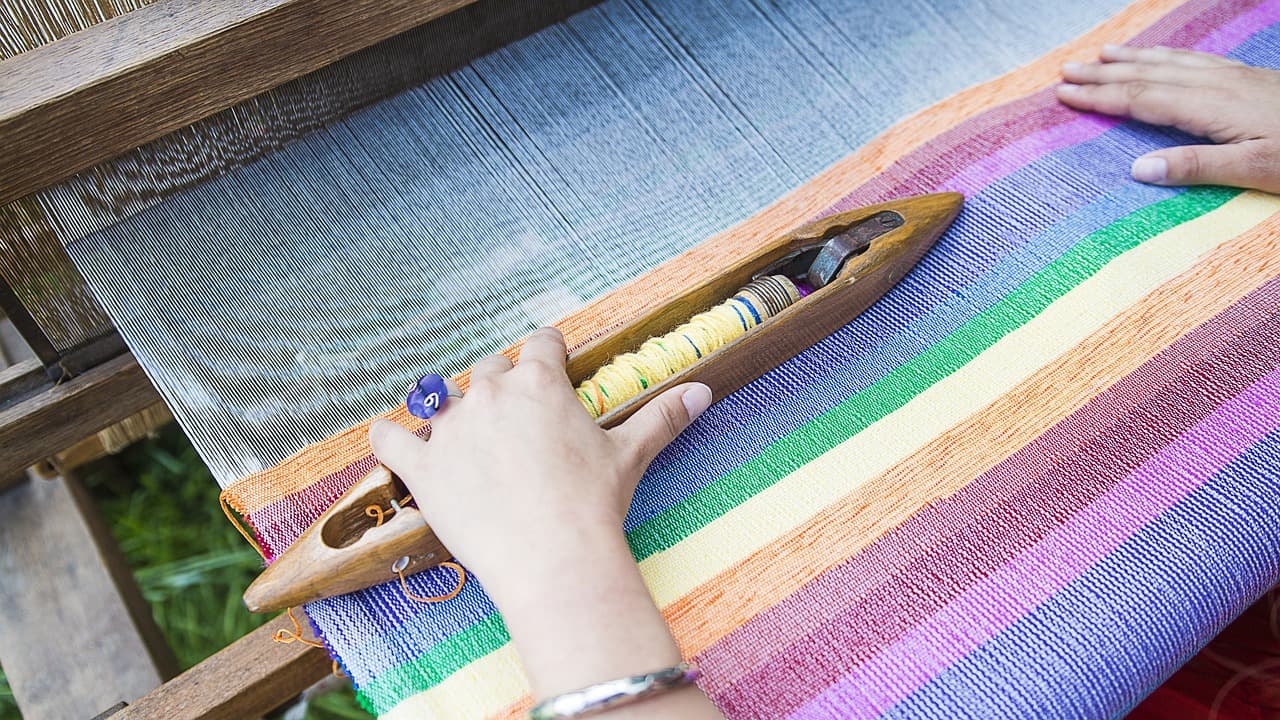
Wedderburn's own life ran straight through the system the study describes. His mother was an enslaved woman called Rosanne, while his father was the plantation owner who raped her. His uncle, John Wedderburn, owned the Blackheath, Blackness, Bluecastle and Glen Islay plantations in Westmoreland, Jamaica. Workers on those plantations included people trafficked from Old Calabar, in modern-day Nigeria, to Montego Bay in 1773 on a ship carrying textiles woven in Manchester.
Raised in Jamaica by his African grandmother, Talky Amee, Wedderburn served in the Royal Navy, sailed to London, settled in St Giles and became a leading radical. At the time of Peterloo he was in prison, accused of inciting slaves to kill their masters. He believed in armed struggle against enslavement across the Caribbean, and held that a revolution had begun at Peterloo.
Shared ships, shared system
The study also found a direct commercial thread running between the two worlds. The Dreadnought, the ship that trafficked some enslaved workers to Wedderburn plantations, had also trafficked workers to Success - the plantation later owned by Philips.
The Caribbean was in ferment at the same moment as Manchester. Around the time of Peterloo, hundreds of abolitionists who had escaped slavery staged raids on plantations in St Catherine, Jamaica. The British governor at the time was, coincidentally, titled the Duke of Manchester.
Global Threads historians wrote that in the weeks after the massacre Wedderburn gave the most clear contemporary articulation of a transatlantic understanding of liberation and justice, drawing parallels for his followers.