• Analysis
John Healey to scrap gas standing charges for 23 million homes
Chancellor John Healey is abolishing gas standing charges for 23 million homes, asking Ofgem to remove the fixed daily fees next year or as soon as possible after. The move, announced before his first budget statement on Wednesday, is expected to save two-thirds of households an average of £45 a year.
What the change means for bills
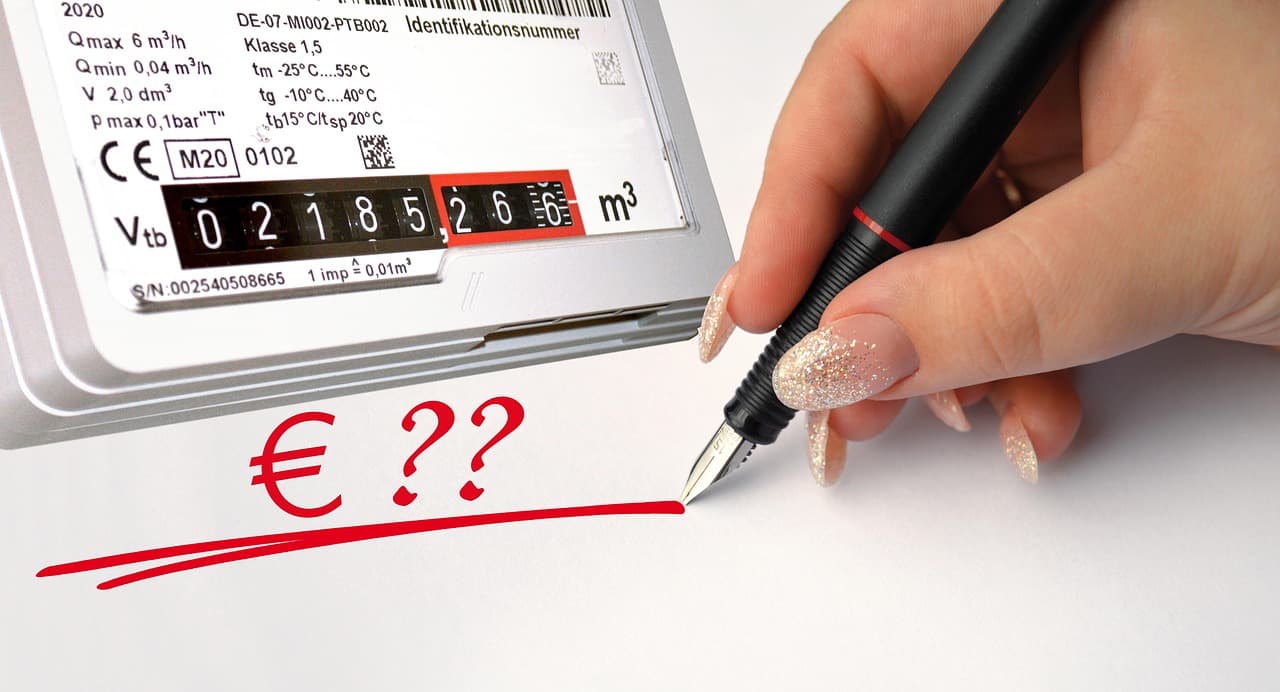
A standing charge is a fixed daily fee added to a household gas bill regardless of how much gas is used, meaning a home that uses no gas at all still pays it. For the typical household, the charge comes to £108 a year.
The Treasury said abolition could save 60% of account-holding households an average of £45 off their annual bill, and Healey said it would end an unfair and outdated practice affecting two-thirds of households.
- •Standing charges apply to gas bills for 23 million homes
- •They are charged daily, whether or not any gas is used
- •The typical household pays £108 a year in standing charges
Healey asks Ofgem to act
The chancellor will ask Ofgem, the energy regulator for Great Britain, to remove the charges next year or as soon as possible after. He framed the abolition as part of a wider correction, saying: "My budget will draw a line in the sand on an energy policy that has failed British billpayers for years."
The announcement came ahead of his first budget statement in the Commons on Wednesday.
Political and industry reaction
Andy Burnham backed the measure, saying: "Abolishing gas standing charges is about basic fairness." He added that he was determined to reform the energy market.
The prime minister spoke of reforming a broken energy market and said a week earlier that he had asked the Treasury to look into the issue.
Energy secretary Miatta Fahnbulleh said she would "keep doing everything I can to protect people from unaffordable bills".
Greg Jackson, founder and chief executive of Octopus Energy Group, welcomed the move. "Most customers would see a cut in their gas bills," he said, noting higher savings for those who move to heat pumps when it suits them.
The wider energy picture
The change follows a government VAT cut on electricity bills that took effect at the beginning of the month. Because of that cut, the Ofgem energy price cap from October was £45 a year lower than it would otherwise have been, while about a third of households on fixed tariffs, who are not covered by the cap, saw their electricity prices fall when it took effect.
The government has also approved the Jackdaw gasfield in the North Sea and announced a new energy wealth fund for investment in cheap, clean power.