Sunday, November 8, 2026

english

HAUT MONDE

POST

Culture & Arts

• Analysis

Louise Cansot, the Girl of 100 Portraits: a Paris Murder Retold in Two Books

Louise Cansot, an artists' model known as 'the girl of 100 portraits', was found murdered on a Paris quayside in September 1949; her killing was never officially solved. Two French writers, Philippe Jaenada and Luc Corlouër, have now each published a book on her life and case, with Jaenada's novel winning the Prix Goncourt.
By Haut Monde Post

• November 8, 2026

• 4 Min Read

Louise Cansot, the Girl of 100 Portraits: a Paris Murder Retold in Two Books

For almost eight decades Louise Cansot was one of Paris's forgotten murder victims. This autumn the artists' model known as 'the girl of 100 portraits' is the subject not of one book but of two, published on the same date - and one of them, Philippe Jaenada's novel, has won the Prix Goncourt.

A model from Tréguier

Cansot, nicknamed Lise, was born in Tréguier in the Côtes-d'Armor in north-west France, the daughter of a shoe repairer. In 1937, aged 16, she left her family and moved to Paris, where her looks drew the attention of Montparnasse artists eager to have her pose.

  • •When war drove most artists south, she stayed on in the capital, taking small film roles and waiting tables between her dance engagements at the Folies Bergère.
  • •Her daughter Nathalie was five at the time of her death and was being looked after by a nanny outside the city while Cansot put money aside for a home of her own.
  • •Without a steady income her situation grew desperate.

An unsolved 1949 killing

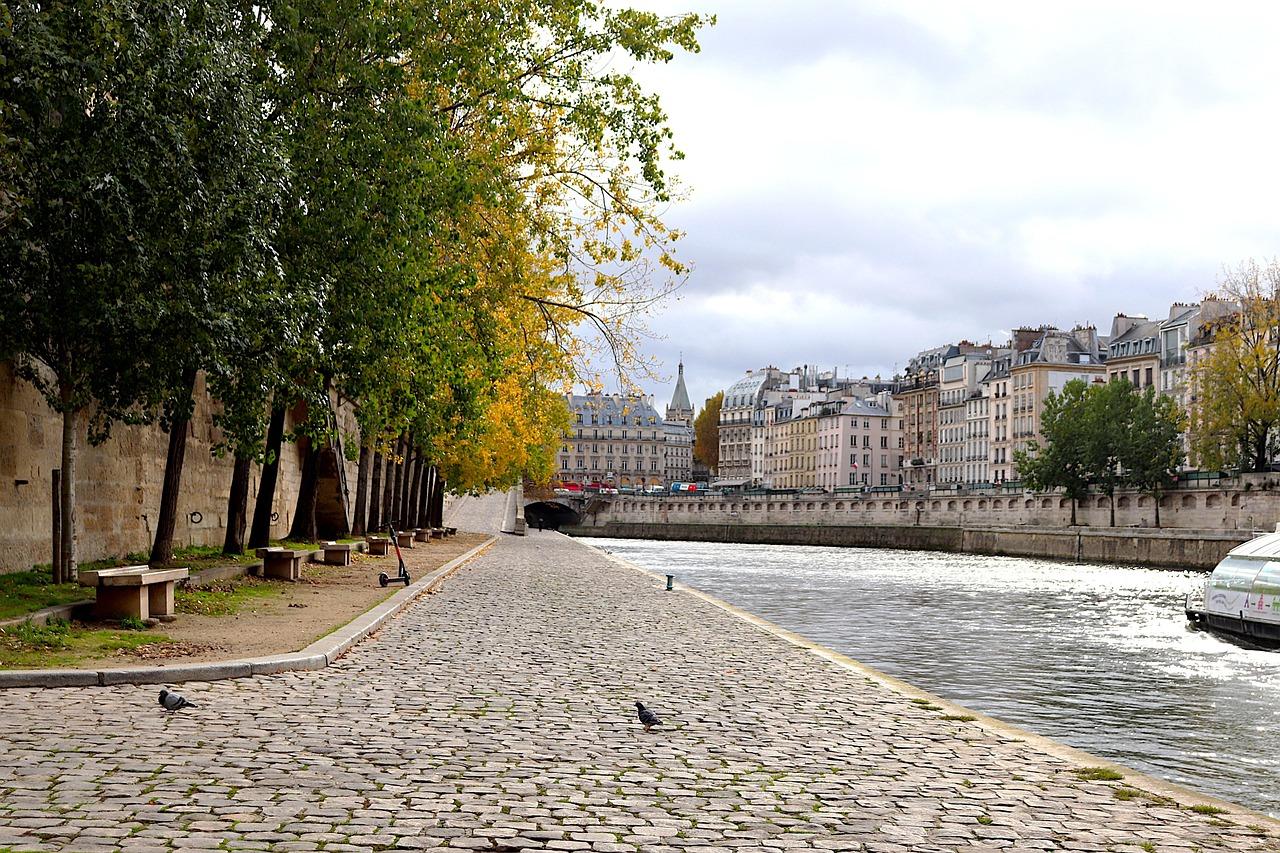
On 7 September 1949 her body was found on the Quai du Javel, now the Quai André-Citroën, in the 15th arrondissement south-west of the Eiffel Tower. Detectives initially identified four possible murderers but rapidly filed the case as unsolved, closing the investigation after just four months having made little effort to find her killer.

The 300-page police report concluded that Cansot was a woman of "ill repute": the police judged her loose, libertine and an unmarried mother, while newspapers speculated she was a sex worker, alcoholic or drug addict.

Two writers, one 'deal'

Luc Corlouër, from the Breton village where Cansot was born, had spent decades researching her story. His interest began in 1981, when an elderly woman at the Tréguier war memorial told him of a local girl, Annick Cansot, killed by a German truck in the war - and added that her older sister had been murdered in Paris.

He had amassed maps, images, photos, paintings, documents, letters and newspaper cuttings, but an early book about the investigation was rejected by one publisher after another because it did not identify the murderer. He decided only one writer could do the story justice.

"We agreed we would write our respective books, which are very different. And after all, the star was him, not me," Corlouër said. "By giving him the subject I knew he would make a really superb book. He is a great novelist."

Jaenada, author of 17 novels, had come across the story independently while looking through old newspapers at the French National Library. Under what Corlouër calls "the deal", both would publish books and Corlouër handed over his notes.

"I entrusted him with my research. I gave it to him and he did the best investigation imaginable."

The novelist, Corlouër added, went through everything he had gathered and turned up material that had escaped his own attention.

Two books, one rehabilitation

  • •Jaenada's Prix Goncourt-winning novel is titled L'Inconnue du Quai de Javel (The Unknown Woman of the Quai de Javel).
  • •Corlouër's La Tragédie du plus beau modèle de Paris (The Tragedy of the Most Beautiful Paris Model), built on documentary material, was published on 19 August - the same date as Jaenada's novel.
  • •To ground his 530-page book, Jaenada read 74 of the 75 Georges Simenon novels featuring Inspector Maigret in 1940s Paris.

In it, Jaenada portrays the victim sympathetically and suggests the name of the man he believes strangled Cansot after inviting her to view a flat she hoped to rent. Both writers say they wanted to restore her reputation.

"Lise was a very modern girl at least 50 years ahead of her time," Corlouër said, describing a woman who dressed well, was intelligent and free in her choice of lovers. Journalists and police had instead seen her as libertine, an unmarried mother with improper jobs who posed for painters - someone who, in their eyes, had brought her death on herself.

"In the police report it's more or less written that she deserved it. And the defamation continued after her murder," Corlouër said of the effort to rehabilitate her after 77 years of slander.

The authors also traced Cansot's daughter Nathalie, now 80, who was raised by her aunt Valentine. When found, Nathalie at first refused to hear a word about her mother, saying Lise was a prostitute - an image her jealous aunt had long imposed.

"When she heard this, she did not cry. She's tough like her mother, but she was amazed," Corlouër said. "So there is a kind of happy ending to this tragic story."

Both books appeared on 19 August. Jaenada's novel names the man he believes killed Cansot, but the case remains officially unsolved.

HAUT MONDE POST

Independent journalism of the highest standard. A chronicle of world culture, politics, arts, and public thought.

Publication

AboutEditorial

Newsletter

Get the best Haut Monde Post content delivered to your inbox every week.

© 2026 Haut Monde Post. All rights reserved. Digital edition hautmondepost.com.

Sunday, Nov 8, 2026

english

Culture & Arts

• Analysis

Louise Cansot, the Girl of 100 Portraits: a Paris Murder Retold in Two Books

Louise Cansot, an artists' model known as 'the girl of 100 portraits', was found murdered on a Paris quayside in September 1949; her killing was never officially solved. Two French writers, Philippe Jaenada and Luc Corlouër, have now each published a book on her life and case, with Jaenada's novel winning the Prix Goncourt.

By Haut Monde Post

Nov 8, 2026 • 4 Min Read
Louise Cansot, the Girl of 100 Portraits: a Paris Murder Retold in Two Books

For almost eight decades Louise Cansot was one of Paris's forgotten murder victims. This autumn the artists' model known as 'the girl of 100 portraits' is the subject not of one book but of two, published on the same date - and one of them, Philippe Jaenada's novel, has won the Prix Goncourt.

A model from Tréguier

Cansot, nicknamed Lise, was born in Tréguier in the Côtes-d'Armor in north-west France, the daughter of a shoe repairer. In 1937, aged 16, she left her family and moved to Paris, where her looks drew the attention of Montparnasse artists eager to have her pose.

  • •When war drove most artists south, she stayed on in the capital, taking small film roles and waiting tables between her dance engagements at the Folies Bergère.
  • •Her daughter Nathalie was five at the time of her death and was being looked after by a nanny outside the city while Cansot put money aside for a home of her own.
  • •Without a steady income her situation grew desperate.

An unsolved 1949 killing

On 7 September 1949 her body was found on the Quai du Javel, now the Quai André-Citroën, in the 15th arrondissement south-west of the Eiffel Tower. Detectives initially identified four possible murderers but rapidly filed the case as unsolved, closing the investigation after just four months having made little effort to find her killer.

The 300-page police report concluded that Cansot was a woman of "ill repute": the police judged her loose, libertine and an unmarried mother, while newspapers speculated she was a sex worker, alcoholic or drug addict.

Two writers, one 'deal'

Luc Corlouër, from the Breton village where Cansot was born, had spent decades researching her story. His interest began in 1981, when an elderly woman at the Tréguier war memorial told him of a local girl, Annick Cansot, killed by a German truck in the war - and added that her older sister had been murdered in Paris.

He had amassed maps, images, photos, paintings, documents, letters and newspaper cuttings, but an early book about the investigation was rejected by one publisher after another because it did not identify the murderer. He decided only one writer could do the story justice.

"We agreed we would write our respective books, which are very different. And after all, the star was him, not me," Corlouër said. "By giving him the subject I knew he would make a really superb book. He is a great novelist."

Jaenada, author of 17 novels, had come across the story independently while looking through old newspapers at the French National Library. Under what Corlouër calls "the deal", both would publish books and Corlouër handed over his notes.

"I entrusted him with my research. I gave it to him and he did the best investigation imaginable."

The novelist, Corlouër added, went through everything he had gathered and turned up material that had escaped his own attention.

Two books, one rehabilitation

  • •Jaenada's Prix Goncourt-winning novel is titled L'Inconnue du Quai de Javel (The Unknown Woman of the Quai de Javel).
  • •Corlouër's La Tragédie du plus beau modèle de Paris (The Tragedy of the Most Beautiful Paris Model), built on documentary material, was published on 19 August - the same date as Jaenada's novel.
  • •To ground his 530-page book, Jaenada read 74 of the 75 Georges Simenon novels featuring Inspector Maigret in 1940s Paris.

In it, Jaenada portrays the victim sympathetically and suggests the name of the man he believes strangled Cansot after inviting her to view a flat she hoped to rent. Both writers say they wanted to restore her reputation.

"Lise was a very modern girl at least 50 years ahead of her time," Corlouër said, describing a woman who dressed well, was intelligent and free in her choice of lovers. Journalists and police had instead seen her as libertine, an unmarried mother with improper jobs who posed for painters - someone who, in their eyes, had brought her death on herself.

"In the police report it's more or less written that she deserved it. And the defamation continued after her murder," Corlouër said of the effort to rehabilitate her after 77 years of slander.

The authors also traced Cansot's daughter Nathalie, now 80, who was raised by her aunt Valentine. When found, Nathalie at first refused to hear a word about her mother, saying Lise was a prostitute - an image her jealous aunt had long imposed.

"When she heard this, she did not cry. She's tough like her mother, but she was amazed," Corlouër said. "So there is a kind of happy ending to this tragic story."

Both books appeared on 19 August. Jaenada's novel names the man he believes killed Cansot, but the case remains officially unsolved.

HAUT MONDE POST

Independent journalism of the highest standard. A chronicle of world culture, politics, arts, and public thought. Published and printed daily in Paris, France.

Publication

AboutEditorial

Newsletter

Get the best Haut Monde Post content delivered to your inbox every week.

© 2026 Haut Monde Post. All rights reserved. Digital edition hautmondepost.com. Published in Paris.

Sunday, Nov 8, 2026

english

Culture & Arts

• Analysis

Louise Cansot, the Girl of 100 Portraits: a Paris Murder Retold in Two Books

Louise Cansot, an artists' model known as 'the girl of 100 portraits', was found murdered on a Paris quayside in September 1949; her killing was never officially solved. Two French writers, Philippe Jaenada and Luc Corlouër, have now each published a book on her life and case, with Jaenada's novel winning the Prix Goncourt.

By Haut Monde Post

Louise Cansot, the Girl of 100 Portraits: a Paris Murder Retold in Two Books

For almost eight decades Louise Cansot was one of Paris's forgotten murder victims. This autumn the artists' model known as 'the girl of 100 portraits' is the subject not of one book but of two, published on the same date - and one of them, Philippe Jaenada's novel, has won the Prix Goncourt.

A model from Tréguier

Cansot, nicknamed Lise, was born in Tréguier in the Côtes-d'Armor in north-west France, the daughter of a shoe repairer. In 1937, aged 16, she left her family and moved to Paris, where her looks drew the attention of Montparnasse artists eager to have her pose.

  • •When war drove most artists south, she stayed on in the capital, taking small film roles and waiting tables between her dance engagements at the Folies Bergère.
  • •Her daughter Nathalie was five at the time of her death and was being looked after by a nanny outside the city while Cansot put money aside for a home of her own.
  • •Without a steady income her situation grew desperate.

An unsolved 1949 killing

On 7 September 1949 her body was found on the Quai du Javel, now the Quai André-Citroën, in the 15th arrondissement south-west of the Eiffel Tower. Detectives initially identified four possible murderers but rapidly filed the case as unsolved, closing the investigation after just four months having made little effort to find her killer.

The 300-page police report concluded that Cansot was a woman of "ill repute": the police judged her loose, libertine and an unmarried mother, while newspapers speculated she was a sex worker, alcoholic or drug addict.

Two writers, one 'deal'

Luc Corlouër, from the Breton village where Cansot was born, had spent decades researching her story. His interest began in 1981, when an elderly woman at the Tréguier war memorial told him of a local girl, Annick Cansot, killed by a German truck in the war - and added that her older sister had been murdered in Paris.

He had amassed maps, images, photos, paintings, documents, letters and newspaper cuttings, but an early book about the investigation was rejected by one publisher after another because it did not identify the murderer. He decided only one writer could do the story justice.

"We agreed we would write our respective books, which are very different. And after all, the star was him, not me," Corlouër said. "By giving him the subject I knew he would make a really superb book. He is a great novelist."

Jaenada, author of 17 novels, had come across the story independently while looking through old newspapers at the French National Library. Under what Corlouër calls "the deal", both would publish books and Corlouër handed over his notes.

"I entrusted him with my research. I gave it to him and he did the best investigation imaginable."

The novelist, Corlouër added, went through everything he had gathered and turned up material that had escaped his own attention.

Two books, one rehabilitation

  • •Jaenada's Prix Goncourt-winning novel is titled L'Inconnue du Quai de Javel (The Unknown Woman of the Quai de Javel).
  • •Corlouër's La Tragédie du plus beau modèle de Paris (The Tragedy of the Most Beautiful Paris Model), built on documentary material, was published on 19 August - the same date as Jaenada's novel.
  • •To ground his 530-page book, Jaenada read 74 of the 75 Georges Simenon novels featuring Inspector Maigret in 1940s Paris.

In it, Jaenada portrays the victim sympathetically and suggests the name of the man he believes strangled Cansot after inviting her to view a flat she hoped to rent. Both writers say they wanted to restore her reputation.

"Lise was a very modern girl at least 50 years ahead of her time," Corlouër said, describing a woman who dressed well, was intelligent and free in her choice of lovers. Journalists and police had instead seen her as libertine, an unmarried mother with improper jobs who posed for painters - someone who, in their eyes, had brought her death on herself.

"In the police report it's more or less written that she deserved it. And the defamation continued after her murder," Corlouër said of the effort to rehabilitate her after 77 years of slander.

The authors also traced Cansot's daughter Nathalie, now 80, who was raised by her aunt Valentine. When found, Nathalie at first refused to hear a word about her mother, saying Lise was a prostitute - an image her jealous aunt had long imposed.

"When she heard this, she did not cry. She's tough like her mother, but she was amazed," Corlouër said. "So there is a kind of happy ending to this tragic story."

Both books appeared on 19 August. Jaenada's novel names the man he believes killed Cansot, but the case remains officially unsolved.