• Analysis
Australia fuel imports at 97% leave nation exposed, Grattan Institute warns
The Grattan Institute urged Australia on Sunday to cut its reliance on imported fossil fuels, warning that the country imports 97% of its liquid fuel and remains dangerously exposed to global supply shocks such as the US-Israel war in Iran.
War in Iran put a price on fuel dependence
The think tank's report, titled Fuelling the Future, uses the US-Israel war in Iran as its warning case: the conflict has driven up inflation and cost Australians nearly $18bn, with the federal government directly out at least $3bn. In a more dangerous world, the report argues, leaning on fuel imports during what it calls an era of benign international relations is no longer a passable strategy.
Only two refineries: the domestic gap
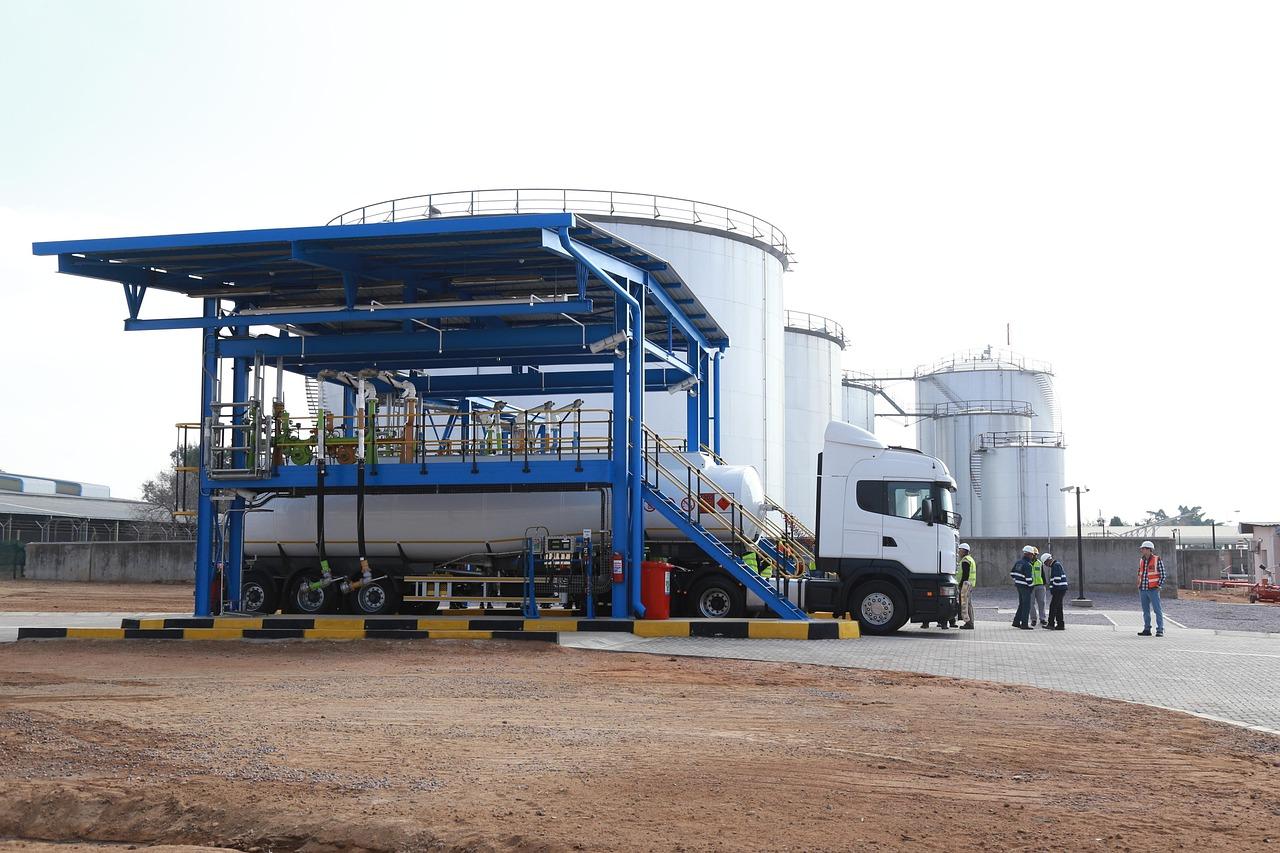
The scale of the exposure is stark. Australia imports 97% of its liquid fuel, which the report says leaves the country dangerously exposed to supply disruptions and price hikes. At home, the picture is thin:
- •Only two domestic oil refineries remain
- •Very little liquid fuel is produced or refined domestically
Grattan's plan: electric trucks, capped fuel tax credits
The grattan institute report sets out a package to cut diesel demand and build domestic capacity. Its headline target is 650,000 electric trucks nationwide by 2050, which it forecasts would cut Australia's diesel use by 5bn litres a year. To get there, it recommends the government invest $1.1bn in a national network of EV chargers and provide $2.4bn in vouchers for trucking firms to buy electric trucks.
On the revenue side, the report wants the fuel tax credit program capped at $35m per corporate group annually. The scheme refunds taxes on fuel for machinery and heavy vehicles travelling on private, rather than public, roads, and its biggest user is the mining sector. Grattan says capping it would save the government $3bn annually and hasten the electrification of the mining sector, which it argues would help the industry in the long run.
Since Australia produces no clean jet fuel, the report recommends directing $6bn to the first generation of so-called clean refineries to make it. That sum, equal to two years of capping fuel tax credits for mining companies, would cover a quarter of the cost of the first five refineries and kickstart the sector, Grattan says - though it acknowledges building them all could cost $100bn, that importing would be cheaper, and that output would reach nearly 10bn litres a year by 2050.
Minerals Council pushes back
Tania Constable, CEO of the Minerals Council of Australia, rejected the cap, saying it would raise costs for miners, farmers, freight operators and regional businesses, with those costs flowing to households. "making diesel more expensive for regional industries won't create a single extra litre of fuel, build a refinery or improve supply-chain resilience", she said. Instead, she argued, Australia should be focused on increasing domestic production, expanding refining capacity and building more resilient supply chains.
What happens next
The report also calls for boosted federal vehicle standards to incentivise cleaner cars and for a restructuring of EV subsidies "to target people least able to afford them". Taken together - capping diesel tax handouts, building clean refineries and refocusing EV subsidies - Grattan says the measures could save Australians thousands of dollars in fuel per year. The federal government, for its part, is widely expected to restrict current EV subsidies in next month's mid-year economic update as it searches for budget savings.