Thursday, November 5, 2026

english

HAUT MONDE

POST

World

• Analysis

South Korea plans Strait of Hormuz deployment with Cheonghae unit expansion

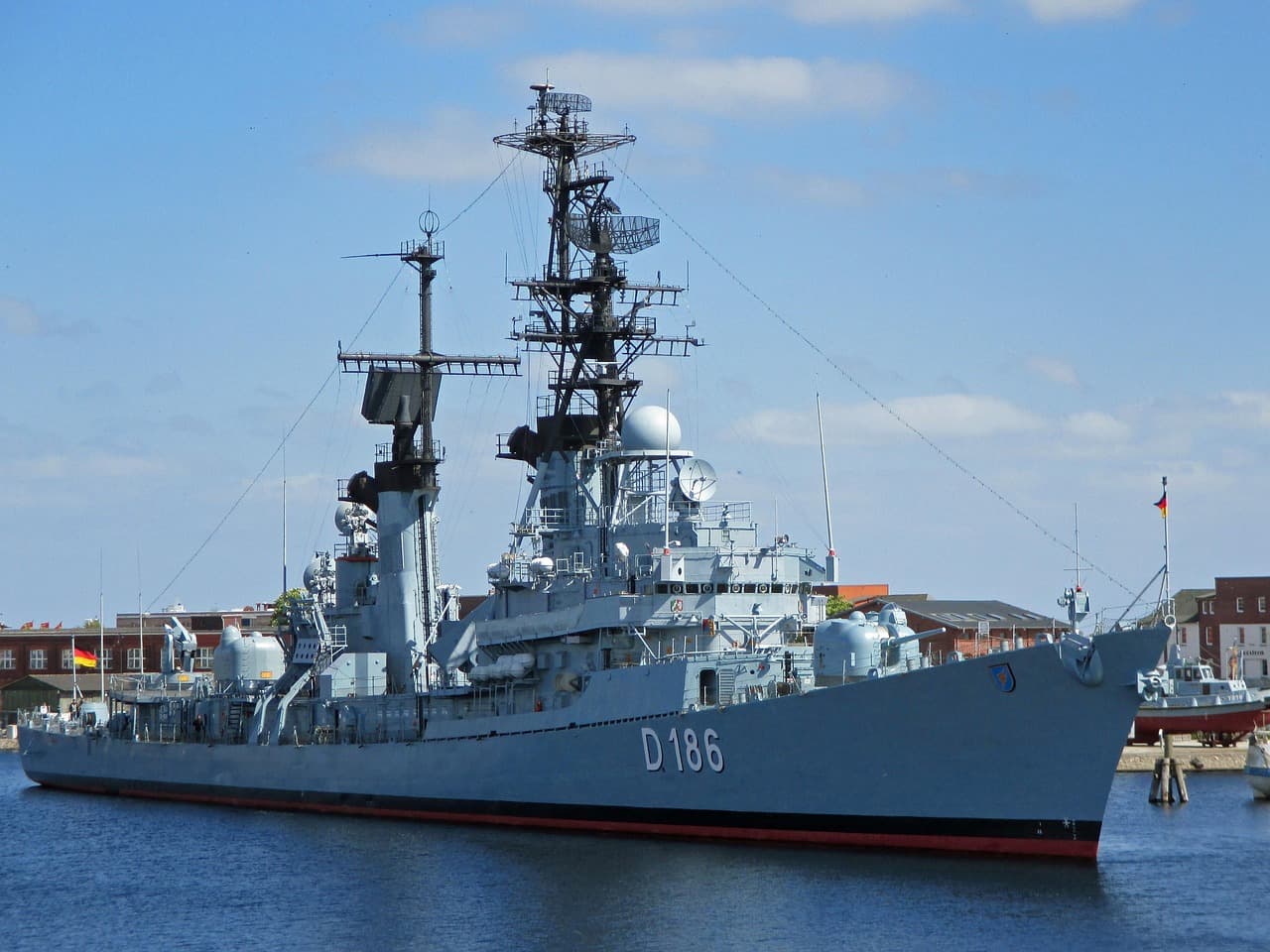
South Korea's defence ministry said Thursday it will expand the Cheonghae anti-piracy unit's mission to waters near the Strait of Hormuz, sending a destroyer, a P-8 maritime patrol aircraft and an explosive ordnance disposal team to help keep the waterway open.
By Haut Monde Post

• November 5, 2026

• 2 Min Read

South Korea plans Strait of Hormuz deployment with Cheonghae unit expansion

South Korea announced on Thursday a Strait of Hormuz deployment built around an expanded mission for its Cheonghae anti-piracy unit, adding a P-8 maritime patrol aircraft and an explosive ordnance disposal team to help keep the waterway open. The defence ministry framed the move as protection for commercial shipping Hormuz traffic and energy supplies, not as a step into the US-Iran war.

What Seoul is deploying

A ministry spokesperson said Thursday that the government plans to widen the operational area of the Cheonghae unit, which currently protects commercial vessels in the Gulf of Aden off Somalia, to waters near the Strait of Hormuz.

According to Yonhap, the package Seoul is sending includes:

  • •a destroyer
  • •a P-8 maritime patrol aircraft
  • •an explosive ordnance disposal (EOD) team
  • •unmanned surface vessels
  • •unmanned underwater vehicles
  • •remotely operated vehicles

The strait normally carries about a fifth of the world's oil, making it a vital conduit for global energy supplies.

Limits of the mission

The ministry was explicit that the reinforcement is strictly non-combat and that the unit will operate independently of allied forces. "The enhancement of the Cheonghae unit's mission is to protect our citizens and safeguard our economic interests," a defence ministry official told reporters.

The same official said operations will stay restricted to the open waters south of Oman, and that the maritime patrol aircraft will be prohibited from targeting or monitoring Iranian territory, territorial waters or the strait's interior.

War background and political stance

The US-Iran war, which began on February 28, has disrupted shipping through the strait. Tehran has warned South Korea against any such deployment after Seoul said it was weighing a contribution to the security of the waterway.

In September, President Lee Jae Myung reiterated that South Korea would not deploy troops in a way that could lead to military intervention. "We have upheld the principle of non-involvement and non-intervention in the war until now," he said. "And we will continue to uphold it going forward."

What happens next

According to Tehran, four oil tankers have been destroyed in Hormuz after hitting mines. Extending the deployment of the Cheonghae unit, currently authorised until the end of this year, will require parliamentary approval, Yonhap reported.


HAUT MONDE POST

Independent journalism of the highest standard. A chronicle of world culture, politics, arts, and public thought.

Publication

AboutEditorial

Newsletter

Get the best Haut Monde Post content delivered to your inbox every week.

© 2026 Haut Monde Post. All rights reserved. Digital edition hautmondepost.com.

Thursday, Nov 5, 2026

english

World

• Analysis

South Korea plans Strait of Hormuz deployment with Cheonghae unit expansion

South Korea's defence ministry said Thursday it will expand the Cheonghae anti-piracy unit's mission to waters near the Strait of Hormuz, sending a destroyer, a P-8 maritime patrol aircraft and an explosive ordnance disposal team to help keep the waterway open.

By Haut Monde Post

Nov 5, 2026 • 2 Min Read
South Korea plans Strait of Hormuz deployment with Cheonghae unit expansion

South Korea announced on Thursday a Strait of Hormuz deployment built around an expanded mission for its Cheonghae anti-piracy unit, adding a P-8 maritime patrol aircraft and an explosive ordnance disposal team to help keep the waterway open. The defence ministry framed the move as protection for commercial shipping Hormuz traffic and energy supplies, not as a step into the US-Iran war.

What Seoul is deploying

A ministry spokesperson said Thursday that the government plans to widen the operational area of the Cheonghae unit, which currently protects commercial vessels in the Gulf of Aden off Somalia, to waters near the Strait of Hormuz.

According to Yonhap, the package Seoul is sending includes:

  • •a destroyer
  • •a P-8 maritime patrol aircraft
  • •an explosive ordnance disposal (EOD) team
  • •unmanned surface vessels
  • •unmanned underwater vehicles
  • •remotely operated vehicles

The strait normally carries about a fifth of the world's oil, making it a vital conduit for global energy supplies.

Limits of the mission

The ministry was explicit that the reinforcement is strictly non-combat and that the unit will operate independently of allied forces. "The enhancement of the Cheonghae unit's mission is to protect our citizens and safeguard our economic interests," a defence ministry official told reporters.

The same official said operations will stay restricted to the open waters south of Oman, and that the maritime patrol aircraft will be prohibited from targeting or monitoring Iranian territory, territorial waters or the strait's interior.

War background and political stance

The US-Iran war, which began on February 28, has disrupted shipping through the strait. Tehran has warned South Korea against any such deployment after Seoul said it was weighing a contribution to the security of the waterway.

In September, President Lee Jae Myung reiterated that South Korea would not deploy troops in a way that could lead to military intervention. "We have upheld the principle of non-involvement and non-intervention in the war until now," he said. "And we will continue to uphold it going forward."

What happens next

According to Tehran, four oil tankers have been destroyed in Hormuz after hitting mines. Extending the deployment of the Cheonghae unit, currently authorised until the end of this year, will require parliamentary approval, Yonhap reported.

HAUT MONDE POST

Independent journalism of the highest standard. A chronicle of world culture, politics, arts, and public thought. Published and printed daily in Paris, France.

Publication

AboutEditorial

Newsletter

Get the best Haut Monde Post content delivered to your inbox every week.

© 2026 Haut Monde Post. All rights reserved. Digital edition hautmondepost.com. Published in Paris.

Thursday, Nov 5, 2026

english

World

• Analysis

South Korea plans Strait of Hormuz deployment with Cheonghae unit expansion

South Korea's defence ministry said Thursday it will expand the Cheonghae anti-piracy unit's mission to waters near the Strait of Hormuz, sending a destroyer, a P-8 maritime patrol aircraft and an explosive ordnance disposal team to help keep the waterway open.

By Haut Monde Post

South Korea plans Strait of Hormuz deployment with Cheonghae unit expansion

South Korea announced on Thursday a Strait of Hormuz deployment built around an expanded mission for its Cheonghae anti-piracy unit, adding a P-8 maritime patrol aircraft and an explosive ordnance disposal team to help keep the waterway open. The defence ministry framed the move as protection for commercial shipping Hormuz traffic and energy supplies, not as a step into the US-Iran war.

What Seoul is deploying

A ministry spokesperson said Thursday that the government plans to widen the operational area of the Cheonghae unit, which currently protects commercial vessels in the Gulf of Aden off Somalia, to waters near the Strait of Hormuz.

According to Yonhap, the package Seoul is sending includes:

  • •a destroyer
  • •a P-8 maritime patrol aircraft
  • •an explosive ordnance disposal (EOD) team
  • •unmanned surface vessels
  • •unmanned underwater vehicles
  • •remotely operated vehicles

The strait normally carries about a fifth of the world's oil, making it a vital conduit for global energy supplies.

Limits of the mission

The ministry was explicit that the reinforcement is strictly non-combat and that the unit will operate independently of allied forces. "The enhancement of the Cheonghae unit's mission is to protect our citizens and safeguard our economic interests," a defence ministry official told reporters.

The same official said operations will stay restricted to the open waters south of Oman, and that the maritime patrol aircraft will be prohibited from targeting or monitoring Iranian territory, territorial waters or the strait's interior.

War background and political stance

The US-Iran war, which began on February 28, has disrupted shipping through the strait. Tehran has warned South Korea against any such deployment after Seoul said it was weighing a contribution to the security of the waterway.

In September, President Lee Jae Myung reiterated that South Korea would not deploy troops in a way that could lead to military intervention. "We have upheld the principle of non-involvement and non-intervention in the war until now," he said. "And we will continue to uphold it going forward."

What happens next

According to Tehran, four oil tankers have been destroyed in Hormuz after hitting mines. Extending the deployment of the Cheonghae unit, currently authorised until the end of this year, will require parliamentary approval, Yonhap reported.