• Analysis
Dates From Illegal West Bank Settlements Sold in Australia Under 'Produce of Israel' Labelling
At least US$5m (A$7.2m) of organic dates grown in illegal Israeli settlements in the occupied West Bank entered Australia over eight years under 'produce of Israel' labelling, according to analysis by the legal organisation Global Echo.
What the analysis found
Global Echo, a legal organisation, analysed commercial documents and official trade data from the Israeli government and the Australian Bureau of Statistics to trace settlement products reaching Australian shelves. Its finding: organic dates grown in illegal settlements across the West Bank, worth at least US$5m (A$7.2m), were shipped to Australia over the past eight years under 'produce of Israel' labelling.
The analysis looked at 132 agricultural shipments from Israel to Australia between August 2018 and August 2026:
- •85 of the 132 shipments, or 64%, contained settlement products
- •between January 2025 and August 2026, 20 of 24 date shipments to Australia analysed by Global Echo were sourced from settlements
- •settlement goods made up the majority of Israeli-labelled agricultural products in the shipments examined
Global Echo executive director Emily Schaeffer Omer-Man said Australian consumers would likely find it startling that settlement goods were on the market, and that buyers of Israeli dates and other agricultural products are quite likely contributing to the ongoing occupation and settlement of Palestinian land.
Where the dates are grown - and why the label says Israel
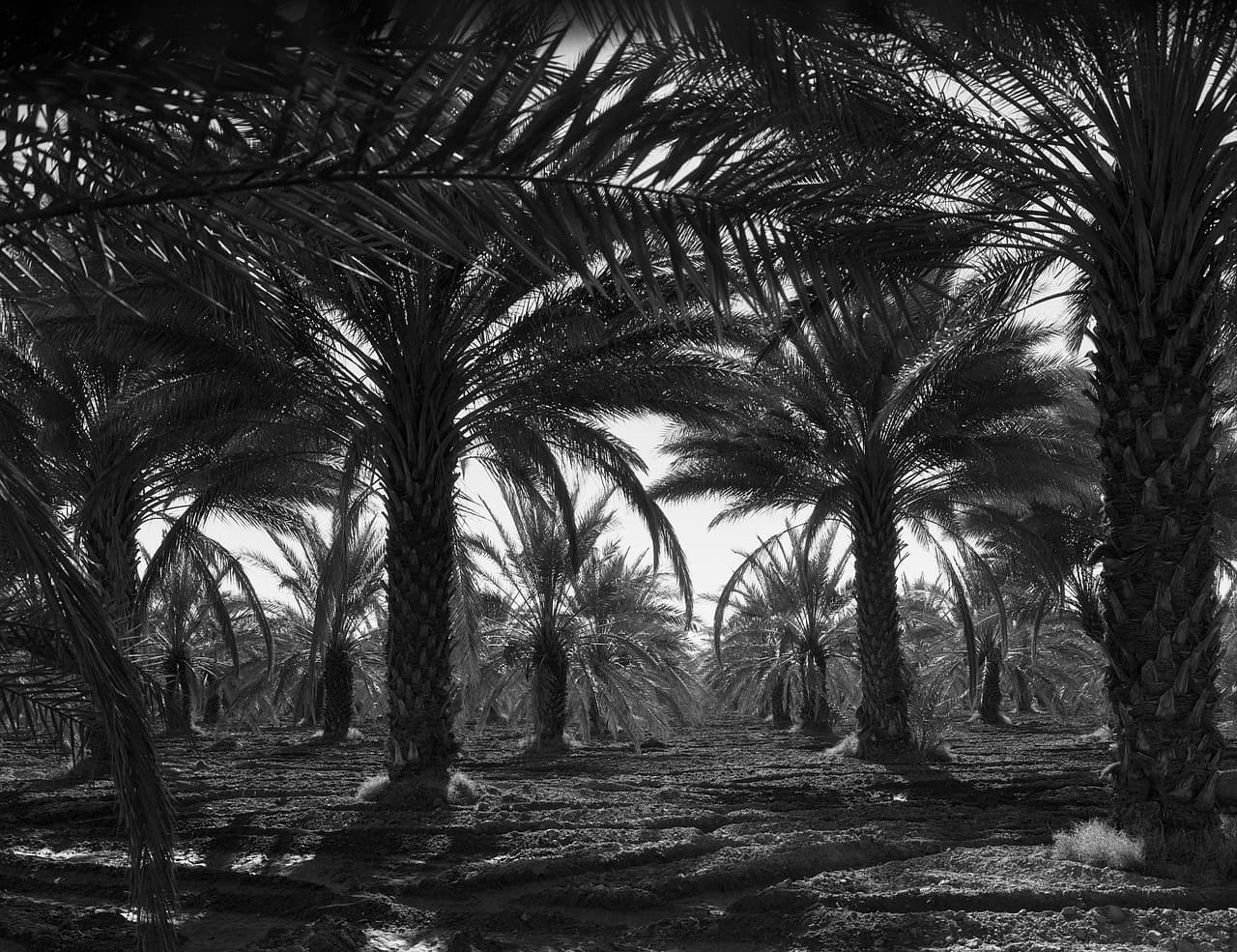
The dates bound for Australia are grown in settlements including Netiv Hagdud, Beit Haarava, Arvot Jericho, Hamra, Tomer, Mechora and Naaran - parts of the West Bank that Australia recognises as part of Palestine. Israel's settlements in the West Bank are illegal under international law.
Two sets of rules shape what shoppers see on the packet:
- •Israeli law obliges exports to label the origin of products from settlements as being from Israel, unless they are exported to a country whose laws prohibit such labelling
- •Australia has no law banning imports of goods from settlement areas, and no requirement that such goods be labelled as originating from occupied land
Australia's position
In September, foreign minister Penny Wong told the Senate that Israel's West Bank settlements were illegal and called on Israel to stop settler violence against Palestinians. She said Australia was not pursuing a blanket import ban, unlike the UK, Spain, Belgium, Ireland and the Netherlands.
"We have concerns about the implementation of a blanket ban and unintended consequences for Australian businesses"
A spokesperson for Australia's foreign affairs and trade department said Australia is pursuing further targeted measures, in coordination with international partners, to deter illegal settlements and settler violence.
The broader pattern
In June, Global Echo released a report, Importing Occupation, showing Israeli exporters to Europe hid the origin of produce grown in occupied Palestine to qualify for tax breaks and support the settler economy. Schaeffer Omer-Man said European import bans would push exporters toward markets including Australia, Russia and the US, where settlement goods face no different treatment, and that Australia is one of the markets where settlement goods currently fly under the radar.
She said agriculture has been used since the start of the settlement enterprise as a means of large-scale land grab and creeping annexation, openly declared by Israeli officials over decades.
Sarah Sanbar, Human Rights Watch's Israel/Palestine researcher, said international trade was one of the lifelines of the illegal settlements. She said Israeli authorities restrict Palestinian access to land, water and movement, so a Palestinian farmer may lose his livelihood, only to see a settlement-based agricultural business then profit off that very same land.
In September, UK foreign secretary Ed Miliband, announcing the UK's trade ban on settlement goods, said settler terrorists were committing ethnic cleansing in the West Bank.
The Israeli embassy in Canberra did not respond to a request for comment, and Foreign Minister Penny Wong was contacted for comment.