World
• Analysis
Inflammatory bowel disease prediction: antibody patterns flag risk a decade early
Inflammatory bowel disease prediction may become possible up to ten years before diagnosis, according to researchers at Mount Sinai and the Medical University of Vienna, who found distinct antibody patterns in blood samples from US military personnel. The findings were published in the journal Gut and presented at the United European Gastroenterology meeting in Barcelona.
By Haut Monde Post
• October 19, 2026
• 3 Min Read
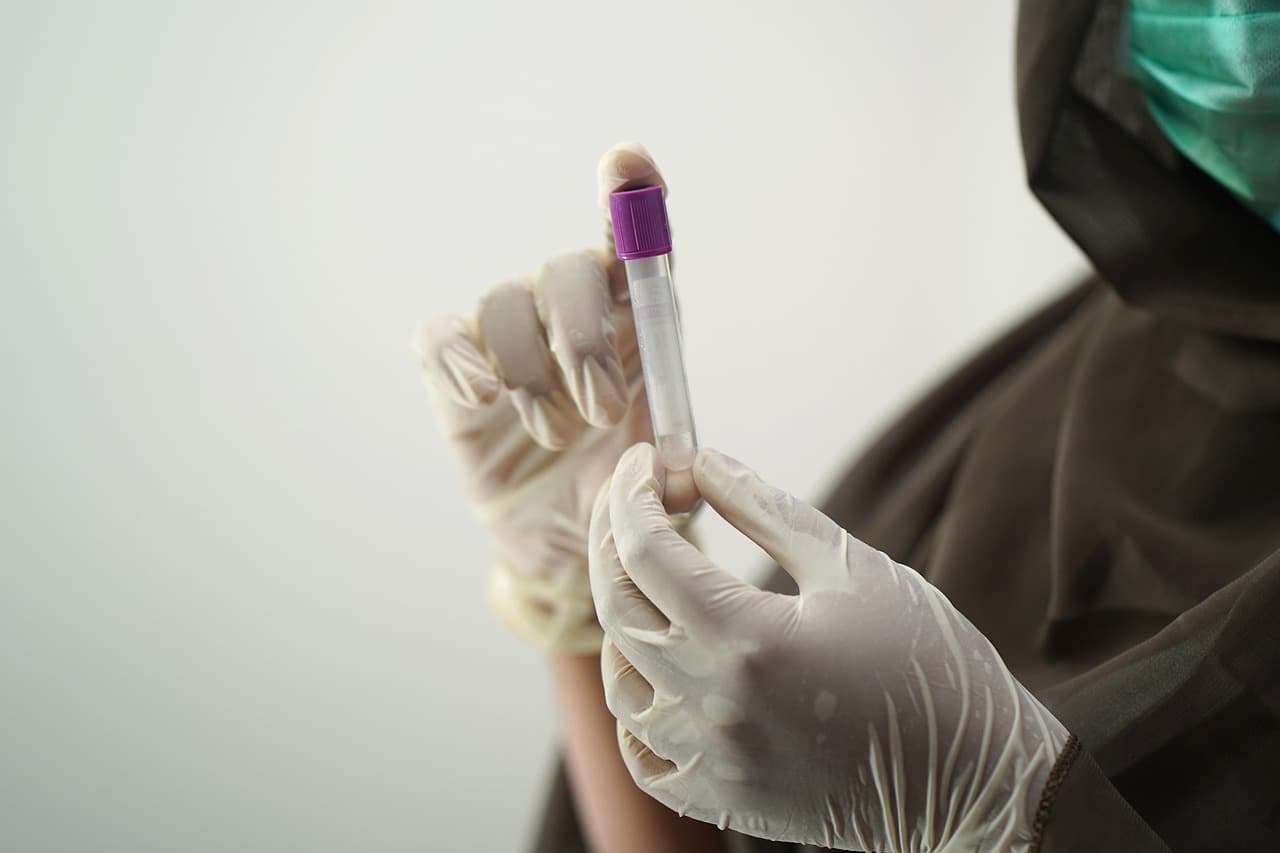
Inflammatory bowel disease prediction may become possible up to ten years before people are diagnosed, a study from Mount Sinai and the Medical University of Vienna suggests. The team identified distinct antibody patterns in blood samples taken long before patients fell ill. The work was published in the journal Gut and presented at the United European Gastroenterology meeting in Barcelona.
What the study examined
Dr Arno Bourgonje of the University Medical Centre Groningen and the Icahn School of Medicine at Mount Sinai worked with colleagues on blood samples drawn from US military personnel.
- •The study covered 2,000 samples from 500 people: 200 who later developed Crohn's disease, 200 who went on to develop ulcerative colitis, and 100 who developed neither condition.
- •Each sample was screened for antibodies the immune system might have produced against hundreds of thousands of protein fragments drawn from bacteria, viruses, food and the body's own tissues.
Different signals for Crohn's and colitis
The two conditions left distinct traces. Among those who later developed Crohn's disease, antibodies against Epstein-Barr virus, which causes glandular fever, were more common - a difference visible ten years ahead of diagnosis. The signal was strongest in people who went on to develop severe, complicated disease that can narrow the bowel or create abnormal channels.
Future ulcerative colitis patients had a separate signature, including antibodies directed at one of the body's own proteins.
Why earlier detection matters
The two main forms of IBD usually go untreated until symptoms begin, by which point the gut has sustained damage. At least 3.8 million people worldwide live with IBD, an immune condition driving chronic gut inflammation, with pain, diarrhoea and fatigue. Anti-inflammatory and immune-suppressing drugs form the mainstay of treatment, yet many patients do not respond, and longstanding inflammation also raises the risk of bowel cancer.
Researchers urge caution
Bourgonje said the disease begins years before symptoms appear, and the immune system leaves warning signs long before diagnosis. He added that the finding is not yet a test able to tell someone they will become ill, but a step towards catching the disease earlier.
James Lindsay, professor of gastroenterology at Barts Health, who was not involved in the research, said the study provided "important insights into the causes of Crohn's disease and ulcerative colitis". He added that it was "potentially adding new tools to help identify those at risk of IBD", while noting the techniques were "very much a research tool".
The findings show a link rather than proving the infections cause IBD, and they still need confirmation in other groups of people. Marianne Radcliffe, chief executive of Crohn's & Colitis UK, said research like this is an important step forward for people affected by Crohn's and colitis, because new insights build understanding of the changes that may occur years before symptoms appear.
The researchers hope IBD could one day follow the path of type 1 diabetes, where a blood test identifies people whose immune systems have begun attacking the body before symptoms appear.