Monday, November 2, 2026

english

HAUT MONDE

POST

World

• Analysis

ICE re-arrests immigrants released after winning habeas corpus petitions

ICE re-arrest habeas corpus cases are mounting: US Immigration and Customs Enforcement is detaining immigrants again soon after courts free them on habeas petitions, with at least 20 such cases identified nationwide in the past year.
By Haut Monde Post

• November 2, 2026

• 5 Min Read

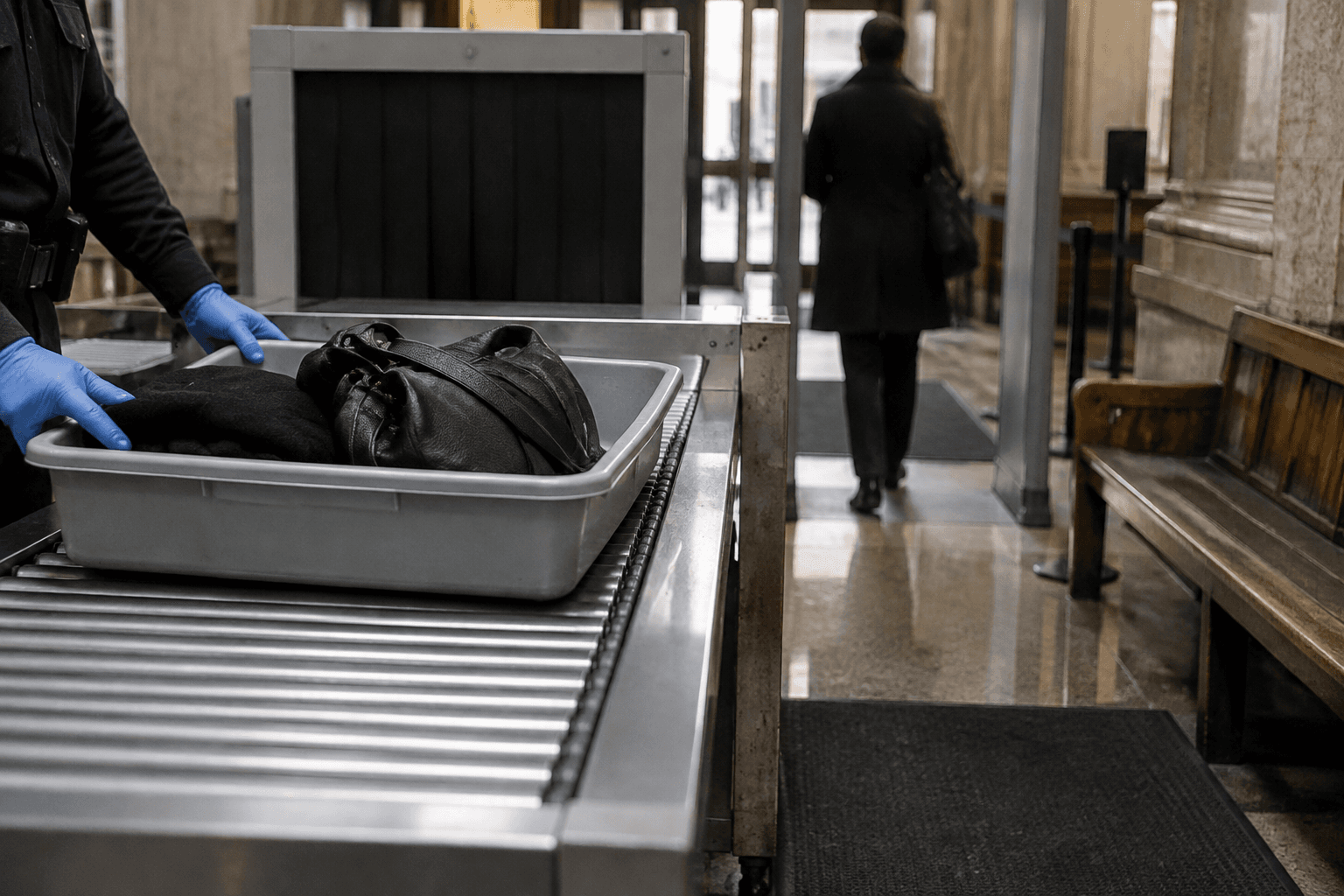
A federal courthouse entrance with a metal detector tray and a worn waiting bench, a security officer's gloved hands guiding visitors through.

A rise in rapid re-detention

US Immigration and Customs Enforcement has been re-arresting immigrants who had just won their release in federal court. Based on court records, attorneys and media reports, The Guardian identified at least 20 cases nationwide in the past year of people detained again after being freed on a habeas corpus petition.

A habeas corpus petition challenges in federal court the government's right to hold someone while their main legal case proceeds. Immigrants have filed more than 91,000 such petitions to contest their detentions, according to research by ProPublica, and more have been filed since 25 January than during the past three presidential administrations, including Trump's first term, combined.

Bridget Pranzatelli, an attorney with the National Immigration Project, said the pattern is accelerating:

"We've seen a very, very sharp increase in people who are released on habeas petitions, only to be very rapidly re-detained"

She added that this often happens in violation of federal court orders.

Cases that drew judges' ire

The re-arrests can come within days. Akram Mahmoud Omar, a 77-year-old Palestinian man who had a heart attack while detained in Camp 57, inside Louisiana's Angola state prison, was arrested again by ICE within 10 days of being released following a habeas petition. In Minnesota, seven immigrants were re-detained before even exiting the Whipple federal building detention facility on the outskirts of Minneapolis.

Daniel Suitor, attorney for two of the Minnesota men, saw no compliance in that:

"I don't think being taken out of a building and directly into the arms of four or more officers complies with the court's order"

Judges have begun punishing these violations. In Louisiana, a federal judge held a senior federal immigration official in contempt of court for violating orders and demanded the release of Ibrahim Mohammed, whom ICE had re-arrested three times. Two other federal judges, in Pennsylvania and Minnesota, have also held federal immigration authorities in contempt or threatened to do so.

In October, the 10th US circuit court of appeals in Colorado refused to dismiss a habeas petition on the government's claimed power to re-detain the petitioner. The court found the government had a previous "demonstrated pattern of re-detaining" non-citizens granted habeas relief.

The third-country link

Attorneys believe certain re-detentions are connected to the Trump administration's push to deport people to third countries. Susanna Booth, senior attorney at the Amica Center for Immigrant Rights in Washington DC, tied the practice to a surge in diplomatic deals:

"It's really tethered to the explosion of third country agreements with primarily African nations in the past four months"

Under these agreements, immigrants who cannot be sent home are increasingly removed to a country where they hold no citizenship and often have no ties - a group that in the past was essentially safe from deportation. More than 25,000 non-citizens have been deported from the US to countries that are not their own, despite potentially facing torture or persecution. Human rights experts say many are then incarcerated in prisons or held in secured hotels and pressured to return home, in violation of the Convention Against Torture.

Notice rules are central for those who win release. Tess Hellgren, an attorney with the National Immigration Project, said courts sometimes require at least three days' notice before a person is removed again - crucial when the government tries to put someone on a flight immediately.

Booth has had two clients re-arrested and threatened with deportation to two African countries where they had no ties; both won release after a second habeas filing. Her practice preemptively prepares second habeas petitions to file immediately before clients are moved to a different state, to avoid courts with less permissive judges.

The legal picture has shifted rapidly:

  • •In September, an appeals court ruled that the Trump administration had to provide sufficient notice of third-country deportations and allow immigrants to contest their removals.
  • •Shortly after, the supreme court's six-justice conservative majority granted an emergency stay of the ruling, allowing rapid third-country deportations to continue, without explanation.
  • •A court has since overruled a Biden-era policy that barred most people who crossed the US-Mexico border unlawfully from obtaining asylum, making some immigrants facing third-country removal - including those who won withholding of removal - now eligible for asylum.

Booth described the cycle as exhausting for clients who win a petition only to face removal elsewhere: "it just kind of feels like you're playing Whac-a-Mole with every country in the world".

Joseph Giardina, a Louisiana immigration attorney, had two Egyptian clients protected under withholding of removal who were re-detained weeks after being released on habeas, and threatened with deportation – but then granted asylum. He said the administration knows the Biden-era rule was the only reason his clients were not granted asylum and is doing its utmost to deport them as quickly as possible.

Winning the petition, losing the war

Even without a flight waiting, release can be short-lived. Many people are being re-arrested with no apparent plans for deportation, leaving them stranded in detention indefinitely. Meanwhile, courts are taking months to adjudicate the thousands of habeas cases pending, particularly in Louisiana and Texas where many detention centers are located, according to analyses by Bolts, the Lens and the Texas Tribune.

Jonah Eaton, a UnLocal litigation attorney who has filed habeas suits for immigration detainees, put it bluntly: "We can sort of win the battle, but we're going to lose the war" - because people will still be arrested and held for long periods.

HAUT MONDE POST

Independent journalism of the highest standard. A chronicle of world culture, politics, arts, and public thought.

Publication

AboutEditorial

Newsletter

Get the best Haut Monde Post content delivered to your inbox every week.

© 2026 Haut Monde Post. All rights reserved. Digital edition hautmondepost.com.

Monday, Nov 2, 2026

english

World

• Analysis

ICE re-arrests immigrants released after winning habeas corpus petitions

ICE re-arrest habeas corpus cases are mounting: US Immigration and Customs Enforcement is detaining immigrants again soon after courts free them on habeas petitions, with at least 20 such cases identified nationwide in the past year.

By Haut Monde Post

Nov 2, 2026 • 5 Min Read
A federal courthouse entrance with a metal detector tray and a worn waiting bench, a security officer's gloved hands guiding visitors through.

A rise in rapid re-detention

US Immigration and Customs Enforcement has been re-arresting immigrants who had just won their release in federal court. Based on court records, attorneys and media reports, The Guardian identified at least 20 cases nationwide in the past year of people detained again after being freed on a habeas corpus petition.

A habeas corpus petition challenges in federal court the government's right to hold someone while their main legal case proceeds. Immigrants have filed more than 91,000 such petitions to contest their detentions, according to research by ProPublica, and more have been filed since 25 January than during the past three presidential administrations, including Trump's first term, combined.

Bridget Pranzatelli, an attorney with the National Immigration Project, said the pattern is accelerating:

"We've seen a very, very sharp increase in people who are released on habeas petitions, only to be very rapidly re-detained"

She added that this often happens in violation of federal court orders.

Cases that drew judges' ire

The re-arrests can come within days. Akram Mahmoud Omar, a 77-year-old Palestinian man who had a heart attack while detained in Camp 57, inside Louisiana's Angola state prison, was arrested again by ICE within 10 days of being released following a habeas petition. In Minnesota, seven immigrants were re-detained before even exiting the Whipple federal building detention facility on the outskirts of Minneapolis.

Daniel Suitor, attorney for two of the Minnesota men, saw no compliance in that:

"I don't think being taken out of a building and directly into the arms of four or more officers complies with the court's order"

Judges have begun punishing these violations. In Louisiana, a federal judge held a senior federal immigration official in contempt of court for violating orders and demanded the release of Ibrahim Mohammed, whom ICE had re-arrested three times. Two other federal judges, in Pennsylvania and Minnesota, have also held federal immigration authorities in contempt or threatened to do so.

In October, the 10th US circuit court of appeals in Colorado refused to dismiss a habeas petition on the government's claimed power to re-detain the petitioner. The court found the government had a previous "demonstrated pattern of re-detaining" non-citizens granted habeas relief.

The third-country link

Attorneys believe certain re-detentions are connected to the Trump administration's push to deport people to third countries. Susanna Booth, senior attorney at the Amica Center for Immigrant Rights in Washington DC, tied the practice to a surge in diplomatic deals:

"It's really tethered to the explosion of third country agreements with primarily African nations in the past four months"

Under these agreements, immigrants who cannot be sent home are increasingly removed to a country where they hold no citizenship and often have no ties - a group that in the past was essentially safe from deportation. More than 25,000 non-citizens have been deported from the US to countries that are not their own, despite potentially facing torture or persecution. Human rights experts say many are then incarcerated in prisons or held in secured hotels and pressured to return home, in violation of the Convention Against Torture.

Notice rules are central for those who win release. Tess Hellgren, an attorney with the National Immigration Project, said courts sometimes require at least three days' notice before a person is removed again - crucial when the government tries to put someone on a flight immediately.

Booth has had two clients re-arrested and threatened with deportation to two African countries where they had no ties; both won release after a second habeas filing. Her practice preemptively prepares second habeas petitions to file immediately before clients are moved to a different state, to avoid courts with less permissive judges.

The legal picture has shifted rapidly:

  • •In September, an appeals court ruled that the Trump administration had to provide sufficient notice of third-country deportations and allow immigrants to contest their removals.
  • •Shortly after, the supreme court's six-justice conservative majority granted an emergency stay of the ruling, allowing rapid third-country deportations to continue, without explanation.
  • •A court has since overruled a Biden-era policy that barred most people who crossed the US-Mexico border unlawfully from obtaining asylum, making some immigrants facing third-country removal - including those who won withholding of removal - now eligible for asylum.

Booth described the cycle as exhausting for clients who win a petition only to face removal elsewhere: "it just kind of feels like you're playing Whac-a-Mole with every country in the world".

Joseph Giardina, a Louisiana immigration attorney, had two Egyptian clients protected under withholding of removal who were re-detained weeks after being released on habeas, and threatened with deportation – but then granted asylum. He said the administration knows the Biden-era rule was the only reason his clients were not granted asylum and is doing its utmost to deport them as quickly as possible.

Winning the petition, losing the war

Even without a flight waiting, release can be short-lived. Many people are being re-arrested with no apparent plans for deportation, leaving them stranded in detention indefinitely. Meanwhile, courts are taking months to adjudicate the thousands of habeas cases pending, particularly in Louisiana and Texas where many detention centers are located, according to analyses by Bolts, the Lens and the Texas Tribune.

Jonah Eaton, a UnLocal litigation attorney who has filed habeas suits for immigration detainees, put it bluntly: "We can sort of win the battle, but we're going to lose the war" - because people will still be arrested and held for long periods.

HAUT MONDE POST

Independent journalism of the highest standard. A chronicle of world culture, politics, arts, and public thought. Published and printed daily in Paris, France.

Publication

AboutEditorial

Newsletter

Get the best Haut Monde Post content delivered to your inbox every week.

© 2026 Haut Monde Post. All rights reserved. Digital edition hautmondepost.com. Published in Paris.

Monday, Nov 2, 2026

english

World

• Analysis

ICE re-arrests immigrants released after winning habeas corpus petitions

ICE re-arrest habeas corpus cases are mounting: US Immigration and Customs Enforcement is detaining immigrants again soon after courts free them on habeas petitions, with at least 20 such cases identified nationwide in the past year.

By Haut Monde Post

A federal courthouse entrance with a metal detector tray and a worn waiting bench, a security officer's gloved hands guiding visitors through.

A rise in rapid re-detention

US Immigration and Customs Enforcement has been re-arresting immigrants who had just won their release in federal court. Based on court records, attorneys and media reports, The Guardian identified at least 20 cases nationwide in the past year of people detained again after being freed on a habeas corpus petition.

A habeas corpus petition challenges in federal court the government's right to hold someone while their main legal case proceeds. Immigrants have filed more than 91,000 such petitions to contest their detentions, according to research by ProPublica, and more have been filed since 25 January than during the past three presidential administrations, including Trump's first term, combined.

Bridget Pranzatelli, an attorney with the National Immigration Project, said the pattern is accelerating:

"We've seen a very, very sharp increase in people who are released on habeas petitions, only to be very rapidly re-detained"

She added that this often happens in violation of federal court orders.

Cases that drew judges' ire

The re-arrests can come within days. Akram Mahmoud Omar, a 77-year-old Palestinian man who had a heart attack while detained in Camp 57, inside Louisiana's Angola state prison, was arrested again by ICE within 10 days of being released following a habeas petition. In Minnesota, seven immigrants were re-detained before even exiting the Whipple federal building detention facility on the outskirts of Minneapolis.

Daniel Suitor, attorney for two of the Minnesota men, saw no compliance in that:

"I don't think being taken out of a building and directly into the arms of four or more officers complies with the court's order"

Judges have begun punishing these violations. In Louisiana, a federal judge held a senior federal immigration official in contempt of court for violating orders and demanded the release of Ibrahim Mohammed, whom ICE had re-arrested three times. Two other federal judges, in Pennsylvania and Minnesota, have also held federal immigration authorities in contempt or threatened to do so.

In October, the 10th US circuit court of appeals in Colorado refused to dismiss a habeas petition on the government's claimed power to re-detain the petitioner. The court found the government had a previous "demonstrated pattern of re-detaining" non-citizens granted habeas relief.

The third-country link

Attorneys believe certain re-detentions are connected to the Trump administration's push to deport people to third countries. Susanna Booth, senior attorney at the Amica Center for Immigrant Rights in Washington DC, tied the practice to a surge in diplomatic deals:

"It's really tethered to the explosion of third country agreements with primarily African nations in the past four months"

Under these agreements, immigrants who cannot be sent home are increasingly removed to a country where they hold no citizenship and often have no ties - a group that in the past was essentially safe from deportation. More than 25,000 non-citizens have been deported from the US to countries that are not their own, despite potentially facing torture or persecution. Human rights experts say many are then incarcerated in prisons or held in secured hotels and pressured to return home, in violation of the Convention Against Torture.

Notice rules are central for those who win release. Tess Hellgren, an attorney with the National Immigration Project, said courts sometimes require at least three days' notice before a person is removed again - crucial when the government tries to put someone on a flight immediately.

Booth has had two clients re-arrested and threatened with deportation to two African countries where they had no ties; both won release after a second habeas filing. Her practice preemptively prepares second habeas petitions to file immediately before clients are moved to a different state, to avoid courts with less permissive judges.

The legal picture has shifted rapidly:

  • •In September, an appeals court ruled that the Trump administration had to provide sufficient notice of third-country deportations and allow immigrants to contest their removals.
  • •Shortly after, the supreme court's six-justice conservative majority granted an emergency stay of the ruling, allowing rapid third-country deportations to continue, without explanation.
  • •A court has since overruled a Biden-era policy that barred most people who crossed the US-Mexico border unlawfully from obtaining asylum, making some immigrants facing third-country removal - including those who won withholding of removal - now eligible for asylum.

Booth described the cycle as exhausting for clients who win a petition only to face removal elsewhere: "it just kind of feels like you're playing Whac-a-Mole with every country in the world".

Joseph Giardina, a Louisiana immigration attorney, had two Egyptian clients protected under withholding of removal who were re-detained weeks after being released on habeas, and threatened with deportation – but then granted asylum. He said the administration knows the Biden-era rule was the only reason his clients were not granted asylum and is doing its utmost to deport them as quickly as possible.

Winning the petition, losing the war

Even without a flight waiting, release can be short-lived. Many people are being re-arrested with no apparent plans for deportation, leaving them stranded in detention indefinitely. Meanwhile, courts are taking months to adjudicate the thousands of habeas cases pending, particularly in Louisiana and Texas where many detention centers are located, according to analyses by Bolts, the Lens and the Texas Tribune.

Jonah Eaton, a UnLocal litigation attorney who has filed habeas suits for immigration detainees, put it bluntly: "We can sort of win the battle, but we're going to lose the war" - because people will still be arrested and held for long periods.