Wednesday, November 11, 2026

english

HAUT MONDE

POST

World

• Analysis

Gaza Storm Tents: 150,000 Shelters Wait Outside as Displaced Palestinians Face Floods

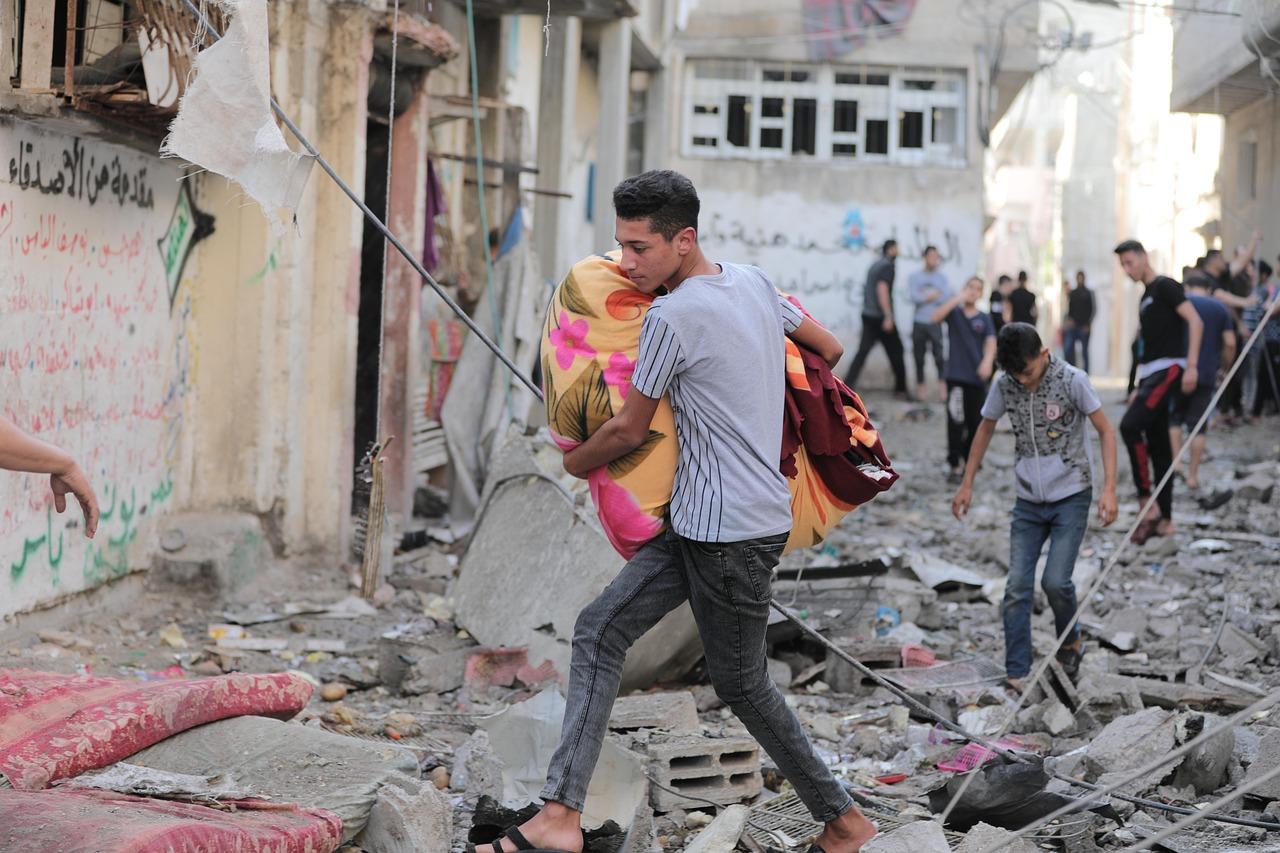
Tens of thousands of displaced Palestinians are living in waterlogged tents after weekend storms in Gaza killed at least four children and a woman, while the UN says 150,000 new shelters wait outside Gaza for Israeli approval to enter.
By Haut Monde Post

• November 11, 2026

• 5 Min Read

Gaza Storm Tents: 150,000 Shelters Wait Outside as Displaced Palestinians Face Floods

Weekend storms turned Gaza's tent camps into flooded ground, killing at least four children and a woman, aid agencies said, leaving tens of thousands of displaced Palestinians in waterlogged and damaged Gaza storm tents. According to the UN, 150,000 new shelters are held outside Gaza awaiting Israeli approval to enter.

Storm deaths and families without shelter

The Palestinian health ministry said a child drowned in flood waters, while at least three children and their mother died when a sand dune fell on their tent at the weekend, as heavy rains and wind battered fragile, leaky tents.

The scale of the damage, according to the UN:

  • •26,000 households sought the UN's help after the rains
  • •At least 3,900 households are now without any shelter at all
  • •940,000 people in Gaza are in areas at risk of flooding, in makeshift tents with no protection from heavy rainfall

The flooding threat has been heightened because facilities for pumping out storm water are not operating, for lack of power.

Sewage, sickness and life inside the tents

Aid agencies say thousands have been left without shelter and sanitation infrastructure has been destroyed, with sewage spewing into people's tents.

Raed Jamal, a displaced Palestinian, filmed his tent shaking in the wind as rain came through holes in its roof. "the whole night I had to use pots to collect rainwater because it was falling on us," he said. "All our clothes were soaked. My kids are all sick and I can't afford to buy them more clothes."

When her tent collapsed, Nour al-Batsh - a mother of a seven-month-old child - had to rent a partially destroyed apartment with others at a cost of $500 a month, money she depends on donations from abroad to cover. "The cold is lethal. Living in a tent by the sea means facing the constant threat of death from the freezing temperatures," she said, adding that winter has not yet properly begun.

Medical Aid for Palestinians said it was worried health problems would increase, with families trapped in flooded tents that offer no alternative to move to. Mai Elawawda, the organisation's communications officer in Gaza, said her teams expect more respiratory illnesses. "we fear more children could die from hypothermia, as happened last winter," she said. Aid workers warn disease will spread rapidly unless families are quickly supplied with new shelters and ways to keep warm.
Shelters stuck at the crossing

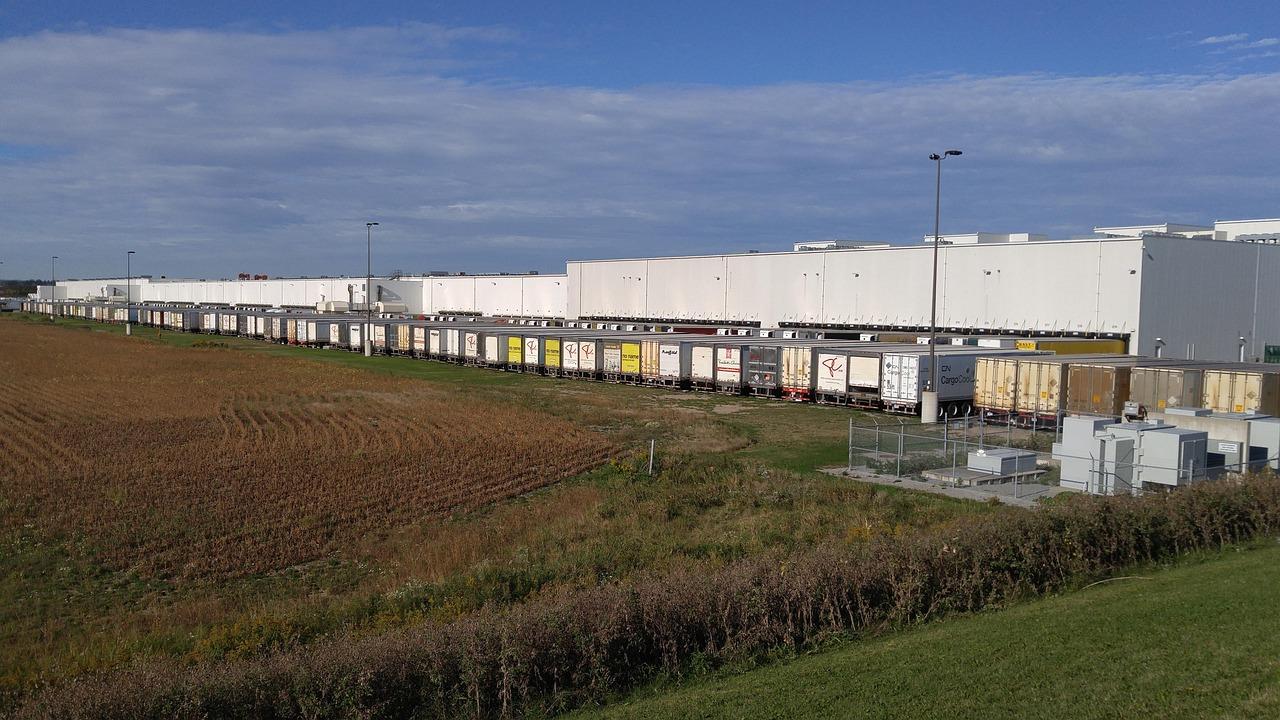
While the UN says 150,000 tents are waiting outside Gaza for the estimated 94% of Palestinians in the territory who need help finding shelter, Israel claimed last week to have allowed 10,000 tents in - far short of what agencies say is needed.

Shelterbox said its standard emergency tents have been stuck outside Gaza for almost two years, so the charity has been improvising shelters from tarpaulins and wooden pallets. Even those materials, it says, are being restricted.

"There's a level of capriciousness that one day toolkits will be allowed in, another day toolkits will not," a Shelterbox spokesperson said, describing no clear process over what is allowed in. The spokesperson said the floods show why more durable improvements to shelter are desperately needed ahead of winter, warning that many people are living in shelters that are simply not suitable to withstand the weather conditions and will quickly deteriorate.

This is the second winter since a ceasefire was agreed more than a year ago, and aid workers said conditions are no better than last year because of Israeli restrictions on "dual-use items" and backlogs at the crossings.

The Israeli NGO Gisha said the Israeli authorities had enforced stricter limits on goods entering Gaza than in previous ceasefires, and accused them of a lack of transparency over what is being allowed in. While Israel claims to allow an average of 600 trucks into Gaza daily, Gisha said it counts 12 pallets of goods as a single truck, even though a truck usually carries about 20 pallets - which could amount to about a 40% reduction in what could be carried.

Calls on governments

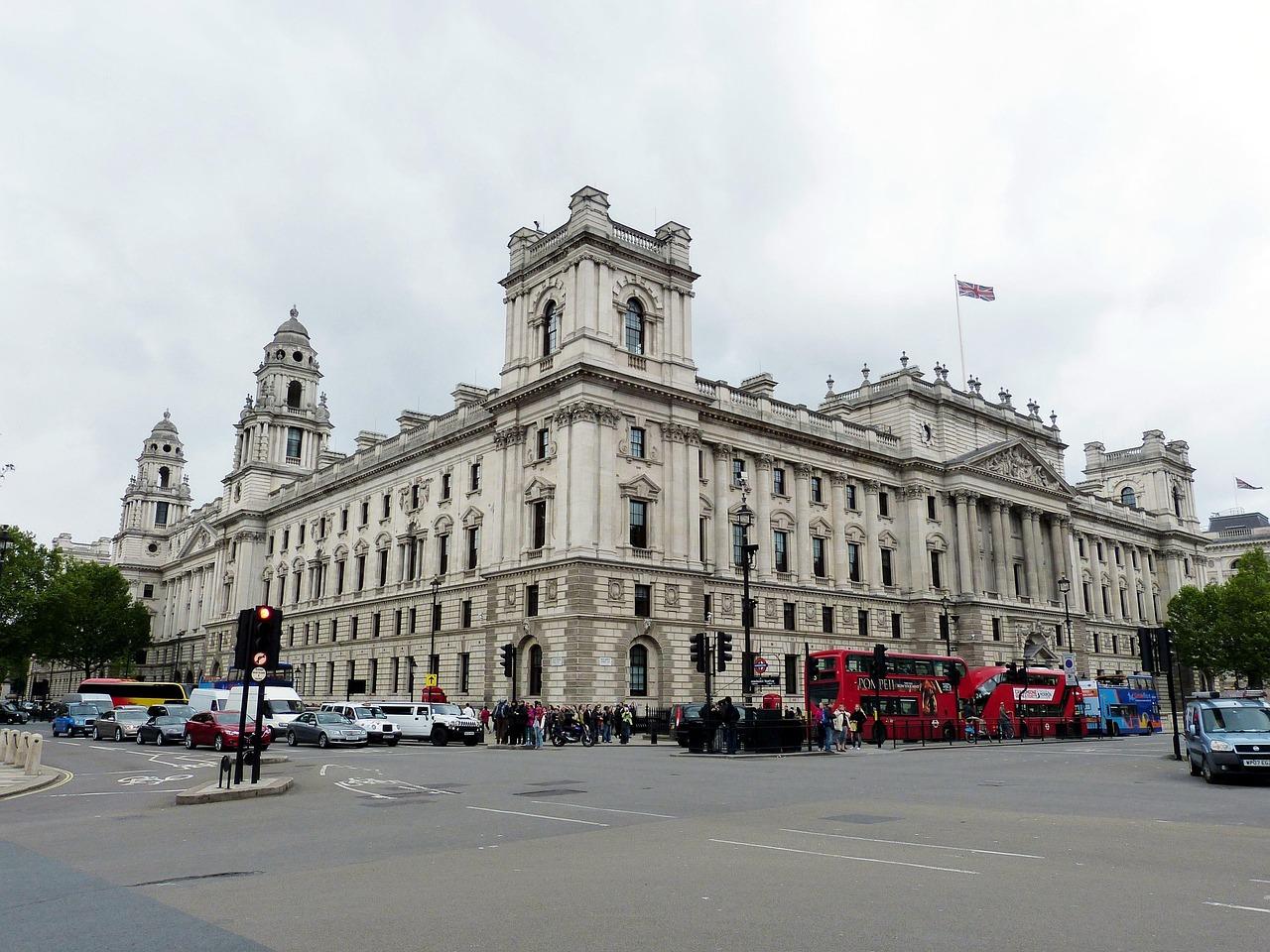
Caabu is urging the British government to pressure Israel to let supplies into Gaza and to lift restrictions on humanitarian workers, among them the return of licences for dozens of organisations, among them Médecins Sans Frontières, Oxfam and the Norwegian Refugee Council.

Joseph Willits, Caabu's head of parliamentary affairs, said predictable rains and floods battered already devastated Palestinians where disease and malnutrition is rife, and that "a basic tent blocked by Israel is a manmade and political scarcity."

He added that a Palestinian family trying to shelter from Gaza's floods cannot afford a lack of political action.

The 150,000 tents the UN says are held outside Gaza still await Israeli approval to enter, with aid workers warning disease will spread rapidly unless families are quickly supplied with new shelters and ways to keep warm.

HAUT MONDE POST

Independent journalism of the highest standard. A chronicle of world culture, politics, arts, and public thought.

Publication

AboutEditorial

Newsletter

Get the best Haut Monde Post content delivered to your inbox every week.

© 2026 Haut Monde Post. All rights reserved. Digital edition hautmondepost.com.

Wednesday, Nov 11, 2026

english

World

• Analysis

Gaza Storm Tents: 150,000 Shelters Wait Outside as Displaced Palestinians Face Floods

Tens of thousands of displaced Palestinians are living in waterlogged tents after weekend storms in Gaza killed at least four children and a woman, while the UN says 150,000 new shelters wait outside Gaza for Israeli approval to enter.

By Haut Monde Post

Nov 11, 2026 • 5 Min Read
Gaza Storm Tents: 150,000 Shelters Wait Outside as Displaced Palestinians Face Floods

Weekend storms turned Gaza's tent camps into flooded ground, killing at least four children and a woman, aid agencies said, leaving tens of thousands of displaced Palestinians in waterlogged and damaged Gaza storm tents. According to the UN, 150,000 new shelters are held outside Gaza awaiting Israeli approval to enter.

Storm deaths and families without shelter

The Palestinian health ministry said a child drowned in flood waters, while at least three children and their mother died when a sand dune fell on their tent at the weekend, as heavy rains and wind battered fragile, leaky tents.

The scale of the damage, according to the UN:

  • •26,000 households sought the UN's help after the rains
  • •At least 3,900 households are now without any shelter at all
  • •940,000 people in Gaza are in areas at risk of flooding, in makeshift tents with no protection from heavy rainfall

The flooding threat has been heightened because facilities for pumping out storm water are not operating, for lack of power.

Sewage, sickness and life inside the tents

Aid agencies say thousands have been left without shelter and sanitation infrastructure has been destroyed, with sewage spewing into people's tents.

Raed Jamal, a displaced Palestinian, filmed his tent shaking in the wind as rain came through holes in its roof. "the whole night I had to use pots to collect rainwater because it was falling on us," he said. "All our clothes were soaked. My kids are all sick and I can't afford to buy them more clothes."

When her tent collapsed, Nour al-Batsh - a mother of a seven-month-old child - had to rent a partially destroyed apartment with others at a cost of $500 a month, money she depends on donations from abroad to cover. "The cold is lethal. Living in a tent by the sea means facing the constant threat of death from the freezing temperatures," she said, adding that winter has not yet properly begun.

Medical Aid for Palestinians said it was worried health problems would increase, with families trapped in flooded tents that offer no alternative to move to. Mai Elawawda, the organisation's communications officer in Gaza, said her teams expect more respiratory illnesses. "we fear more children could die from hypothermia, as happened last winter," she said. Aid workers warn disease will spread rapidly unless families are quickly supplied with new shelters and ways to keep warm.

Shelters stuck at the crossing

While the UN says 150,000 tents are waiting outside Gaza for the estimated 94% of Palestinians in the territory who need help finding shelter, Israel claimed last week to have allowed 10,000 tents in - far short of what agencies say is needed.

Shelterbox said its standard emergency tents have been stuck outside Gaza for almost two years, so the charity has been improvising shelters from tarpaulins and wooden pallets. Even those materials, it says, are being restricted.

"There's a level of capriciousness that one day toolkits will be allowed in, another day toolkits will not," a Shelterbox spokesperson said, describing no clear process over what is allowed in. The spokesperson said the floods show why more durable improvements to shelter are desperately needed ahead of winter, warning that many people are living in shelters that are simply not suitable to withstand the weather conditions and will quickly deteriorate.

This is the second winter since a ceasefire was agreed more than a year ago, and aid workers said conditions are no better than last year because of Israeli restrictions on "dual-use items" and backlogs at the crossings.

The Israeli NGO Gisha said the Israeli authorities had enforced stricter limits on goods entering Gaza than in previous ceasefires, and accused them of a lack of transparency over what is being allowed in. While Israel claims to allow an average of 600 trucks into Gaza daily, Gisha said it counts 12 pallets of goods as a single truck, even though a truck usually carries about 20 pallets - which could amount to about a 40% reduction in what could be carried.

Calls on governments

Caabu is urging the British government to pressure Israel to let supplies into Gaza and to lift restrictions on humanitarian workers, among them the return of licences for dozens of organisations, among them Médecins Sans Frontières, Oxfam and the Norwegian Refugee Council.

Joseph Willits, Caabu's head of parliamentary affairs, said predictable rains and floods battered already devastated Palestinians where disease and malnutrition is rife, and that "a basic tent blocked by Israel is a manmade and political scarcity."

He added that a Palestinian family trying to shelter from Gaza's floods cannot afford a lack of political action.

The 150,000 tents the UN says are held outside Gaza still await Israeli approval to enter, with aid workers warning disease will spread rapidly unless families are quickly supplied with new shelters and ways to keep warm.

HAUT MONDE POST

Independent journalism of the highest standard. A chronicle of world culture, politics, arts, and public thought. Published and printed daily in Paris, France.

Publication

AboutEditorial

Newsletter

Get the best Haut Monde Post content delivered to your inbox every week.

© 2026 Haut Monde Post. All rights reserved. Digital edition hautmondepost.com. Published in Paris.

Wednesday, Nov 11, 2026

english

World

• Analysis

Gaza Storm Tents: 150,000 Shelters Wait Outside as Displaced Palestinians Face Floods

Tens of thousands of displaced Palestinians are living in waterlogged tents after weekend storms in Gaza killed at least four children and a woman, while the UN says 150,000 new shelters wait outside Gaza for Israeli approval to enter.

By Haut Monde Post

Gaza Storm Tents: 150,000 Shelters Wait Outside as Displaced Palestinians Face Floods

Weekend storms turned Gaza's tent camps into flooded ground, killing at least four children and a woman, aid agencies said, leaving tens of thousands of displaced Palestinians in waterlogged and damaged Gaza storm tents. According to the UN, 150,000 new shelters are held outside Gaza awaiting Israeli approval to enter.

Storm deaths and families without shelter

The Palestinian health ministry said a child drowned in flood waters, while at least three children and their mother died when a sand dune fell on their tent at the weekend, as heavy rains and wind battered fragile, leaky tents.

The scale of the damage, according to the UN:

  • •26,000 households sought the UN's help after the rains
  • •At least 3,900 households are now without any shelter at all
  • •940,000 people in Gaza are in areas at risk of flooding, in makeshift tents with no protection from heavy rainfall

The flooding threat has been heightened because facilities for pumping out storm water are not operating, for lack of power.

Sewage, sickness and life inside the tents

Aid agencies say thousands have been left without shelter and sanitation infrastructure has been destroyed, with sewage spewing into people's tents.

Raed Jamal, a displaced Palestinian, filmed his tent shaking in the wind as rain came through holes in its roof. "the whole night I had to use pots to collect rainwater because it was falling on us," he said. "All our clothes were soaked. My kids are all sick and I can't afford to buy them more clothes."

When her tent collapsed, Nour al-Batsh - a mother of a seven-month-old child - had to rent a partially destroyed apartment with others at a cost of $500 a month, money she depends on donations from abroad to cover. "The cold is lethal. Living in a tent by the sea means facing the constant threat of death from the freezing temperatures," she said, adding that winter has not yet properly begun.

Medical Aid for Palestinians said it was worried health problems would increase, with families trapped in flooded tents that offer no alternative to move to. Mai Elawawda, the organisation's communications officer in Gaza, said her teams expect more respiratory illnesses. "we fear more children could die from hypothermia, as happened last winter," she said. Aid workers warn disease will spread rapidly unless families are quickly supplied with new shelters and ways to keep warm.

Shelters stuck at the crossing

While the UN says 150,000 tents are waiting outside Gaza for the estimated 94% of Palestinians in the territory who need help finding shelter, Israel claimed last week to have allowed 10,000 tents in - far short of what agencies say is needed.

Shelterbox said its standard emergency tents have been stuck outside Gaza for almost two years, so the charity has been improvising shelters from tarpaulins and wooden pallets. Even those materials, it says, are being restricted.

"There's a level of capriciousness that one day toolkits will be allowed in, another day toolkits will not," a Shelterbox spokesperson said, describing no clear process over what is allowed in. The spokesperson said the floods show why more durable improvements to shelter are desperately needed ahead of winter, warning that many people are living in shelters that are simply not suitable to withstand the weather conditions and will quickly deteriorate.

This is the second winter since a ceasefire was agreed more than a year ago, and aid workers said conditions are no better than last year because of Israeli restrictions on "dual-use items" and backlogs at the crossings.

The Israeli NGO Gisha said the Israeli authorities had enforced stricter limits on goods entering Gaza than in previous ceasefires, and accused them of a lack of transparency over what is being allowed in. While Israel claims to allow an average of 600 trucks into Gaza daily, Gisha said it counts 12 pallets of goods as a single truck, even though a truck usually carries about 20 pallets - which could amount to about a 40% reduction in what could be carried.

Calls on governments

Caabu is urging the British government to pressure Israel to let supplies into Gaza and to lift restrictions on humanitarian workers, among them the return of licences for dozens of organisations, among them Médecins Sans Frontières, Oxfam and the Norwegian Refugee Council.

Joseph Willits, Caabu's head of parliamentary affairs, said predictable rains and floods battered already devastated Palestinians where disease and malnutrition is rife, and that "a basic tent blocked by Israel is a manmade and political scarcity."

He added that a Palestinian family trying to shelter from Gaza's floods cannot afford a lack of political action.

The 150,000 tents the UN says are held outside Gaza still await Israeli approval to enter, with aid workers warning disease will spread rapidly unless families are quickly supplied with new shelters and ways to keep warm.