Friday, October 16, 2026

english

HAUT MONDE

POST

World

• Analysis

VW, Ford and Tesla battery nickel linked to deforestation of indigenous lands in Indonesia

An investigation found that Volkswagen, Ford and Tesla are among carmakers whose EV batteries may contain nickel traced to mines driving deforestation of indigenous woodlands in Sulawesi, Indonesia, home to the world's largest nickel deposits.

By Haut Monde Post

• October 16, 2026

• 6 Min Read
VW, Ford and Tesla battery nickel linked to deforestation of indigenous lands in Indonesia

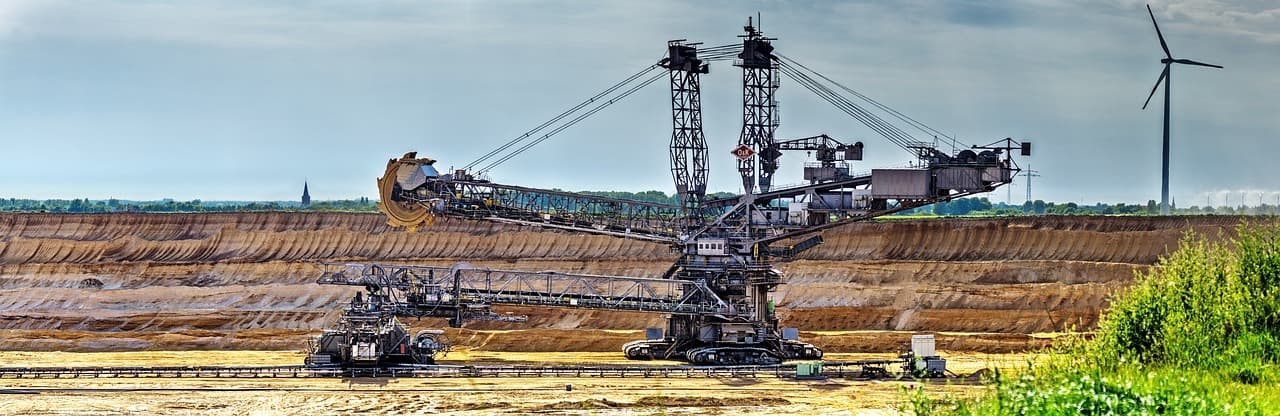
Nickel used in electric car batteries may be coming from two Indonesian mines that satellite analysis links to the clearing of primary rainforest on lands inhabited by the indigenous Tolaki people, according to an investigation published with Voxeurop and other European media partners and supported by Journalismfund Europe and The Pulitzer Center. The findings tie the ev battery nickel deforestation indonesia question directly to some of the world's biggest carmakers.

From Sulawesi forest to battery cathode

The two concessions at the centre of the findings are the Cahaya and Hengjaya mines in Sulawesi, a region that holds the world's largest nickel deposits. Ore from both sites is traced through regional smelters and Chinese processing plants run by Zhejiang Huayou Cobalt, a cathode manufacturer that supplies CATL, the world's largest battery maker.

The route runs as follows:

  • •Huayou's local subsidiary runs a nickel smelter inside an industrial complex at Morowali, on Indonesia's eastern coast, that takes ore from both concessions. There, limonite is refined into mixed hydroxide precipitate, the primary raw material for battery cathodes.
  • •In 2024, $606m of mixed hydroxide precipitate was shipped from the Morowali plant to ports in China, followed by further shipments worth $470m in 2025.
  • •Processed material was then moved overland to Huayou cathode manufacturing sites in Quzhou, near Shanghai, and Yulin, near the border with Vietnam.

Public filings do not disclose sale volumes from Huayou to CATL that would connect specific ore shipments to individual car batteries. Huayou did confirm group-level supplies to CATL in response to a regulatory inquiry by the Shanghai Stock Exchange in 2024, and Chengdu B&M, a downstream subsidiary, has confirmed supplying "large quantities" to the battery maker.

Huayou's corporate reports list US and European carmakers as end-users, and additional files and trade data show a separate route from Huayou to LG, a South Korean group that also supplies battery products to leading carmakers, via Poland.

Forest loss on Tolaki land

The mines sit in woodland designated "production forest", intended for forestry rather than industrial activities, but successive Indonesian governments have weakened safeguards and carved out exemptions for miners as demand for nickel has soared. Analysis by geospatial firm The TreeMap found nickel mining may account for two-thirds of the forest loss recorded since 2001 within the Cahaya concession area, and over half of the loss in the Hengjaya concession.

Sulawesi Cahayi Mineral (SCM), which operates the Cahaya mine, contributed to clearing an additional 330 hectares of forest in 2024, according to an analysis by the Indonesian nonprofit Auriga. The company received two administrative sanctions last year for illegally clearing more than 450 hectares beyond the boundaries of its permitted clearing area. SCM is a subsidiary of Merdeka Battery Materials, whose group shareholders include Huayou and CATL.

In 2024, SCM delivered 11m tonnes of limonite ore – almost all of its production – to Huayou's smelter, with deliveries increasing to nearly 12.5m tonnes throughout 2025. Local lorry drivers said the plant also received Hengjaya ore by road.

For the Tolaki people who live around the concessions, the loss is personal. Wadimula, a Tolaki elder whose home sits on the edge of the 21,000-hectare Cahaya mining concession, said: "Destroying it means destroying our own life."

The carmakers named

The investigation identified Volkswagen, Volvo, Ford, General Motors, Tesla, BMW, Stellantis and Hyundai as end-users of Huayou cathodes or recipients of CATL shipments, while Mercedes-Benz was separately linked to Huayou. Volkswagen, which powered one-quarter of its vehicles with CATL systems in 2024, said it could not rule out that the companies may fall within its supply chain. Trade platform Volza records show Volkswagen's Braunschweig facility received a shipment in October 2024 of 24 tonnes of cell modules worth about $390,000.

Responses varied among the companies contacted:

  • •Volkswagen said it took such risks seriously but that contractual obligations with its business partners barred it from disclosing details about its supplier relationships.
  • •Ford said it was committed to protecting human rights and the environment, and that any appropriate next steps would follow its review.
  • •Mercedes-Benz said it takes "reports of environmental and social harm in raw material supply chains – including nickel from Indonesia – seriously" and assesses them as part of its risk-based due diligence.
  • •Renault Group said it identified a Sulawesi nickel mining site as a tier-n supplier in its battery supply chain and engaged partners to verify ESG information concerning Sulawesi Cahayi Mineral.
  • •Volvo Cars said that during 2025 it conducted onsite audits of suppliers in its battery supply chains, two of them located in Indonesia, with further audits planned during 2026 and onward.
  • •General Motors said it is aware that nickel mining in Indonesia presents significant environmental, human-rights and community-related risks.
  • •Stellantis said it is aware of the environmental and social challenges associated with nickel production in Indonesia, including deforestation, biodiversity loss and ecosystem degradation.
  • •Hyundai said it recognises the importance of protecting forests, biodiversity and local communities and regularly monitors and assesses its suppliers, including mineral suppliers.

CATL, Huayou, SCM and Tesla did not respond to requests for comment, and Tsingshan, the main shareholder of Nickel Industries, which operates the Hengjaya mine, also did not respond.

Rising demand and the carbon cost

The pressures behind the expansion are set to grow. Global demand for nickel is projected to double to 5.5m tonnes by 2040, according to the International Energy Agency, with much of it mined in Indonesia and refined in China.

The environmental accounting of that nickel may also be understated. A study in Nature Communications found the carbon footprint of nickel from the worst mines may be up to 500 times greater than previously reported, because of tree loss within concessions. A separate 2023 report found lithium demand in the US transport sector could fall 18% to 66% compared with a business-as-usual scenario through public transport, walking, cycling and smaller cars, with better recycling bringing demand reductions of up to 92%.

Ford said its review of the allegations would determine any appropriate next steps; CATL, Huayou, SCM and Tesla did not respond to requests for comment.

Friday, Oct 16, 2026

english

World

• Analysis

VW, Ford and Tesla battery nickel linked to deforestation of indigenous lands in Indonesia

An investigation found that Volkswagen, Ford and Tesla are among carmakers whose EV batteries may contain nickel traced to mines driving deforestation of indigenous woodlands in Sulawesi, Indonesia, home to the world's largest nickel deposits.

By Haut Monde Post

Oct 16, 2026 • 6 Min Read

VW, Ford and Tesla battery nickel linked to deforestation of indigenous lands in Indonesia

Nickel used in electric car batteries may be coming from two Indonesian mines that satellite analysis links to the clearing of primary rainforest on lands inhabited by the indigenous Tolaki people, according to an investigation published with Voxeurop and other European media partners and supported by Journalismfund Europe and The Pulitzer Center. The findings tie the ev battery nickel deforestation indonesia question directly to some of the world's biggest carmakers.

From Sulawesi forest to battery cathode

The two concessions at the centre of the findings are the Cahaya and Hengjaya mines in Sulawesi, a region that holds the world's largest nickel deposits. Ore from both sites is traced through regional smelters and Chinese processing plants run by Zhejiang Huayou Cobalt, a cathode manufacturer that supplies CATL, the world's largest battery maker.

The route runs as follows:

  • •Huayou's local subsidiary runs a nickel smelter inside an industrial complex at Morowali, on Indonesia's eastern coast, that takes ore from both concessions. There, limonite is refined into mixed hydroxide precipitate, the primary raw material for battery cathodes.
  • •In 2024, $606m of mixed hydroxide precipitate was shipped from the Morowali plant to ports in China, followed by further shipments worth $470m in 2025.
  • •Processed material was then moved overland to Huayou cathode manufacturing sites in Quzhou, near Shanghai, and Yulin, near the border with Vietnam.

Public filings do not disclose sale volumes from Huayou to CATL that would connect specific ore shipments to individual car batteries. Huayou did confirm group-level supplies to CATL in response to a regulatory inquiry by the Shanghai Stock Exchange in 2024, and Chengdu B&M, a downstream subsidiary, has confirmed supplying "large quantities" to the battery maker.

Huayou's corporate reports list US and European carmakers as end-users, and additional files and trade data show a separate route from Huayou to LG, a South Korean group that also supplies battery products to leading carmakers, via Poland.

Forest loss on Tolaki land

The mines sit in woodland designated "production forest", intended for forestry rather than industrial activities, but successive Indonesian governments have weakened safeguards and carved out exemptions for miners as demand for nickel has soared. Analysis by geospatial firm The TreeMap found nickel mining may account for two-thirds of the forest loss recorded since 2001 within the Cahaya concession area, and over half of the loss in the Hengjaya concession.

Sulawesi Cahayi Mineral (SCM), which operates the Cahaya mine, contributed to clearing an additional 330 hectares of forest in 2024, according to an analysis by the Indonesian nonprofit Auriga. The company received two administrative sanctions last year for illegally clearing more than 450 hectares beyond the boundaries of its permitted clearing area. SCM is a subsidiary of Merdeka Battery Materials, whose group shareholders include Huayou and CATL.

In 2024, SCM delivered 11m tonnes of limonite ore – almost all of its production – to Huayou's smelter, with deliveries increasing to nearly 12.5m tonnes throughout 2025. Local lorry drivers said the plant also received Hengjaya ore by road.

For the Tolaki people who live around the concessions, the loss is personal. Wadimula, a Tolaki elder whose home sits on the edge of the 21,000-hectare Cahaya mining concession, said: "Destroying it means destroying our own life."

The carmakers named

The investigation identified Volkswagen, Volvo, Ford, General Motors, Tesla, BMW, Stellantis and Hyundai as end-users of Huayou cathodes or recipients of CATL shipments, while Mercedes-Benz was separately linked to Huayou. Volkswagen, which powered one-quarter of its vehicles with CATL systems in 2024, said it could not rule out that the companies may fall within its supply chain. Trade platform Volza records show Volkswagen's Braunschweig facility received a shipment in October 2024 of 24 tonnes of cell modules worth about $390,000.

Responses varied among the companies contacted:

  • •Volkswagen said it took such risks seriously but that contractual obligations with its business partners barred it from disclosing details about its supplier relationships.
  • •Ford said it was committed to protecting human rights and the environment, and that any appropriate next steps would follow its review.
  • •Mercedes-Benz said it takes "reports of environmental and social harm in raw material supply chains – including nickel from Indonesia – seriously" and assesses them as part of its risk-based due diligence.
  • •Renault Group said it identified a Sulawesi nickel mining site as a tier-n supplier in its battery supply chain and engaged partners to verify ESG information concerning Sulawesi Cahayi Mineral.
  • •Volvo Cars said that during 2025 it conducted onsite audits of suppliers in its battery supply chains, two of them located in Indonesia, with further audits planned during 2026 and onward.
  • •General Motors said it is aware that nickel mining in Indonesia presents significant environmental, human-rights and community-related risks.
  • •Stellantis said it is aware of the environmental and social challenges associated with nickel production in Indonesia, including deforestation, biodiversity loss and ecosystem degradation.
  • •Hyundai said it recognises the importance of protecting forests, biodiversity and local communities and regularly monitors and assesses its suppliers, including mineral suppliers.

CATL, Huayou, SCM and Tesla did not respond to requests for comment, and Tsingshan, the main shareholder of Nickel Industries, which operates the Hengjaya mine, also did not respond.

Rising demand and the carbon cost

The pressures behind the expansion are set to grow. Global demand for nickel is projected to double to 5.5m tonnes by 2040, according to the International Energy Agency, with much of it mined in Indonesia and refined in China.

The environmental accounting of that nickel may also be understated. A study in Nature Communications found the carbon footprint of nickel from the worst mines may be up to 500 times greater than previously reported, because of tree loss within concessions. A separate 2023 report found lithium demand in the US transport sector could fall 18% to 66% compared with a business-as-usual scenario through public transport, walking, cycling and smaller cars, with better recycling bringing demand reductions of up to 92%.

Ford said its review of the allegations would determine any appropriate next steps; CATL, Huayou, SCM and Tesla did not respond to requests for comment.
Friday, Oct 16, 2026

english

World

• Analysis

VW, Ford and Tesla battery nickel linked to deforestation of indigenous lands in Indonesia

An investigation found that Volkswagen, Ford and Tesla are among carmakers whose EV batteries may contain nickel traced to mines driving deforestation of indigenous woodlands in Sulawesi, Indonesia, home to the world's largest nickel deposits.

By Haut Monde Post

Oct 16, 2026 • 6 Min Read

VW, Ford and Tesla battery nickel linked to deforestation of indigenous lands in Indonesia

Nickel used in electric car batteries may be coming from two Indonesian mines that satellite analysis links to the clearing of primary rainforest on lands inhabited by the indigenous Tolaki people, according to an investigation published with Voxeurop and other European media partners and supported by Journalismfund Europe and The Pulitzer Center. The findings tie the ev battery nickel deforestation indonesia question directly to some of the world's biggest carmakers.

From Sulawesi forest to battery cathode

The two concessions at the centre of the findings are the Cahaya and Hengjaya mines in Sulawesi, a region that holds the world's largest nickel deposits. Ore from both sites is traced through regional smelters and Chinese processing plants run by Zhejiang Huayou Cobalt, a cathode manufacturer that supplies CATL, the world's largest battery maker.

The route runs as follows:

  • •Huayou's local subsidiary runs a nickel smelter inside an industrial complex at Morowali, on Indonesia's eastern coast, that takes ore from both concessions. There, limonite is refined into mixed hydroxide precipitate, the primary raw material for battery cathodes.
  • •In 2024, $606m of mixed hydroxide precipitate was shipped from the Morowali plant to ports in China, followed by further shipments worth $470m in 2025.
  • •Processed material was then moved overland to Huayou cathode manufacturing sites in Quzhou, near Shanghai, and Yulin, near the border with Vietnam.

Public filings do not disclose sale volumes from Huayou to CATL that would connect specific ore shipments to individual car batteries. Huayou did confirm group-level supplies to CATL in response to a regulatory inquiry by the Shanghai Stock Exchange in 2024, and Chengdu B&M, a downstream subsidiary, has confirmed supplying "large quantities" to the battery maker.

Huayou's corporate reports list US and European carmakers as end-users, and additional files and trade data show a separate route from Huayou to LG, a South Korean group that also supplies battery products to leading carmakers, via Poland.

Forest loss on Tolaki land

The mines sit in woodland designated "production forest", intended for forestry rather than industrial activities, but successive Indonesian governments have weakened safeguards and carved out exemptions for miners as demand for nickel has soared. Analysis by geospatial firm The TreeMap found nickel mining may account for two-thirds of the forest loss recorded since 2001 within the Cahaya concession area, and over half of the loss in the Hengjaya concession.

Sulawesi Cahayi Mineral (SCM), which operates the Cahaya mine, contributed to clearing an additional 330 hectares of forest in 2024, according to an analysis by the Indonesian nonprofit Auriga. The company received two administrative sanctions last year for illegally clearing more than 450 hectares beyond the boundaries of its permitted clearing area. SCM is a subsidiary of Merdeka Battery Materials, whose group shareholders include Huayou and CATL.

In 2024, SCM delivered 11m tonnes of limonite ore – almost all of its production – to Huayou's smelter, with deliveries increasing to nearly 12.5m tonnes throughout 2025. Local lorry drivers said the plant also received Hengjaya ore by road.

For the Tolaki people who live around the concessions, the loss is personal. Wadimula, a Tolaki elder whose home sits on the edge of the 21,000-hectare Cahaya mining concession, said: "Destroying it means destroying our own life."

The carmakers named

The investigation identified Volkswagen, Volvo, Ford, General Motors, Tesla, BMW, Stellantis and Hyundai as end-users of Huayou cathodes or recipients of CATL shipments, while Mercedes-Benz was separately linked to Huayou. Volkswagen, which powered one-quarter of its vehicles with CATL systems in 2024, said it could not rule out that the companies may fall within its supply chain. Trade platform Volza records show Volkswagen's Braunschweig facility received a shipment in October 2024 of 24 tonnes of cell modules worth about $390,000.

Responses varied among the companies contacted:

  • •Volkswagen said it took such risks seriously but that contractual obligations with its business partners barred it from disclosing details about its supplier relationships.
  • •Ford said it was committed to protecting human rights and the environment, and that any appropriate next steps would follow its review.
  • •Mercedes-Benz said it takes "reports of environmental and social harm in raw material supply chains – including nickel from Indonesia – seriously" and assesses them as part of its risk-based due diligence.
  • •Renault Group said it identified a Sulawesi nickel mining site as a tier-n supplier in its battery supply chain and engaged partners to verify ESG information concerning Sulawesi Cahayi Mineral.
  • •Volvo Cars said that during 2025 it conducted onsite audits of suppliers in its battery supply chains, two of them located in Indonesia, with further audits planned during 2026 and onward.
  • •General Motors said it is aware that nickel mining in Indonesia presents significant environmental, human-rights and community-related risks.
  • •Stellantis said it is aware of the environmental and social challenges associated with nickel production in Indonesia, including deforestation, biodiversity loss and ecosystem degradation.
  • •Hyundai said it recognises the importance of protecting forests, biodiversity and local communities and regularly monitors and assesses its suppliers, including mineral suppliers.

CATL, Huayou, SCM and Tesla did not respond to requests for comment, and Tsingshan, the main shareholder of Nickel Industries, which operates the Hengjaya mine, also did not respond.

Rising demand and the carbon cost

The pressures behind the expansion are set to grow. Global demand for nickel is projected to double to 5.5m tonnes by 2040, according to the International Energy Agency, with much of it mined in Indonesia and refined in China.

The environmental accounting of that nickel may also be understated. A study in Nature Communications found the carbon footprint of nickel from the worst mines may be up to 500 times greater than previously reported, because of tree loss within concessions. A separate 2023 report found lithium demand in the US transport sector could fall 18% to 66% compared with a business-as-usual scenario through public transport, walking, cycling and smaller cars, with better recycling bringing demand reductions of up to 92%.

Ford said its review of the allegations would determine any appropriate next steps; CATL, Huayou, SCM and Tesla did not respond to requests for comment.