Tuesday, November 3, 2026

english

HAUT MONDE

POST

World

• Analysis

Dermatologist shortage France: patients travel 130 km as appointments vanish in minutes

France faces a severe dermatologist shortage: with skin cancer diagnosed in about 200,000 patients a year, clinics fill within minutes and patients such as a melanoma patient from Reims drive 130 kilometres for an appointment.
By Haut Monde Post

• November 3, 2026

• 4 Min Read

Dermatologist shortage France: patients travel 130 km as appointments vanish in minutes

Jean-François, a melanoma patient from Reims, left home at 4:30am to reach a clinic in Saint-Maur-des-Fossés by 6am, having travelled 130 kilometres for a dermatology appointment. His journey illustrates a shortage with a structural cause: around 200,000 cases of skin cancer are diagnosed in France every year, while half the country's dermatologists are nearing retirement and only around 100 new specialists are trained each year.

Slots gone in three minutes

Dermatologist Romain Prud'homme opens appointments the evening before for urgent cases, and demand outpaces supply the moment they appear.

"When I open slots at 6pm, the day gets booked up within three minutes."

He believes his Saint-Maur-des-Fossés clinic is not an exception but a rule.

"You could open 10 more clinics like this one, and they would all be just as busy. The shortage is huge."

For patients, the consequences can be severe. In 2022, Charlotte Canonne, then seeking care for a bleeding mole on her foot, found she could not get a dermatologist appointment on Doctolib; months later the mole bled again and became infected. Her GP photographed the mole with a dermatoscope and sent it to dermatologists, and she was quickly seen and diagnosed with stage IV melanoma, the most advanced stage of the disease. Canonne said she had not expected the diagnosis.

"I always wore sunscreen, so I thought it couldn't possibly be cancer"

A workforce half ready to retire

The numbers behind the shortage are stark. Half of all dermatologists in France are over the age of 60, meaning they could soon retire, and the government has announced only 27 extra dermatology trainees annually - falling well short of what specialists say is needed. Dr Pierre Hamann points to a late response from the training system.

"It's only in the last decade that we've significantly increased the number of doctors being trained. But dermatology hasn't seen the same level of increase"
  • •Half of France's dermatologists are nearing retirement, with only around 100 new specialists trained each year
  • •The government has pledged 27 extra trainees annually, which specialists consider far below what is required
  • •Dr Hamann says dermatology did not see the same increase in training numbers as other specialties over the last decade

Workarounds: GPs, physiotherapists, AI

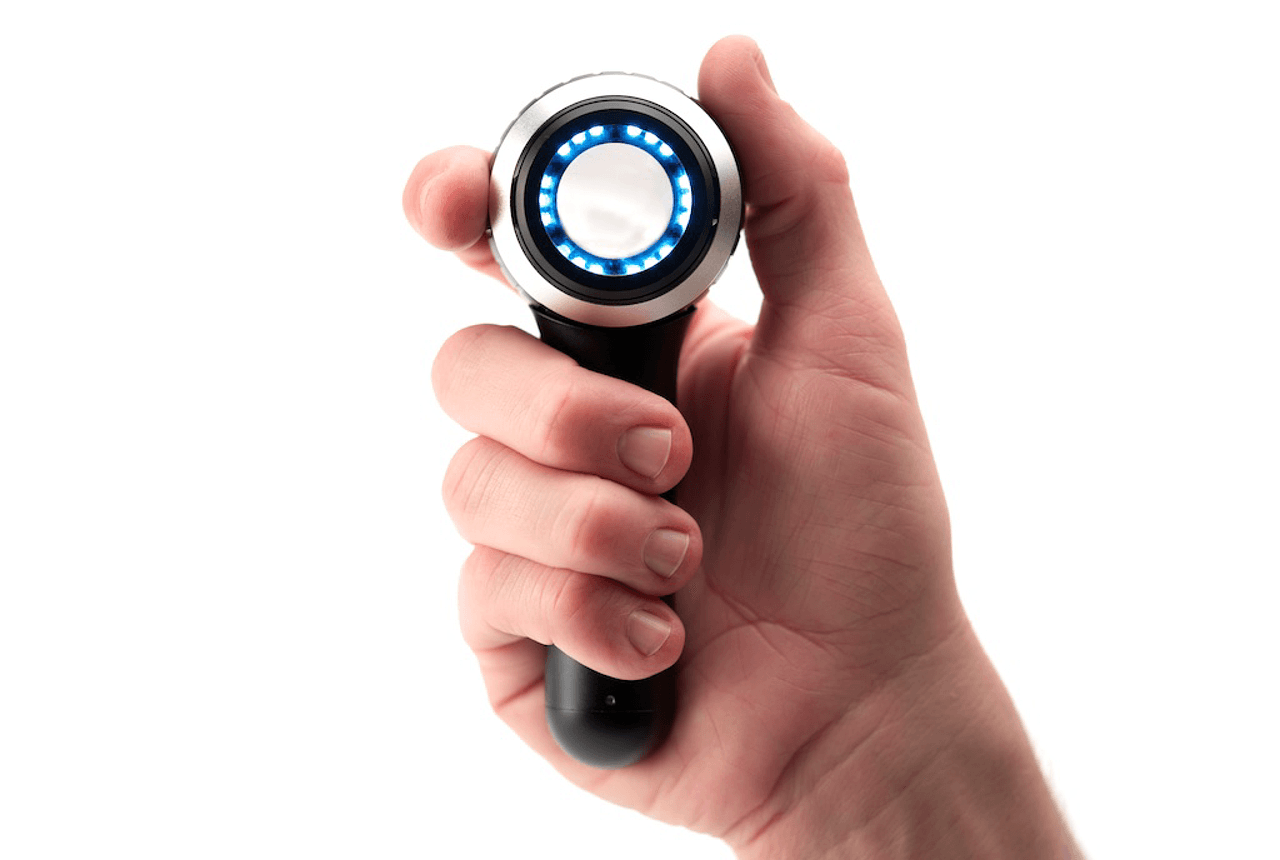
To prevent late diagnoses, the profession has begun teaching GPs to recognise skin lesions that may be dangerous. In southern France, another experiment takes screening outside the dermatologist's office: around 50 volunteer physiotherapists have received training to use dermatoscopes to spot suspicious moles and send images to dermatologists.

Dermatologist Georges Bes, who devised the initiative, argues that physiotherapists see patients undressed, which is crucial for spotting lesions patients would not otherwise show. He launched a one-year pilot programme with URPS MK Occitanie, the regional body representing physiotherapists.

Xavier Font, physiotherapist and vice-president of URPS MK Occitanie, says the pilot produced concrete results.

"Over those 12 months, we helped identify six skin cancers: four carcinomas and two melanomas."

On the strength of those results, regional health authorities have funded training for an extra 100 physiotherapists in the area.

Artificial intelligence is a second track. At the France Dermatologie centre in Gazeran, in the Paris region, 92 high-tech sensors feed AI that builds a 3D avatar of the patient and an initial skin assessment. There, dermatology assistant Mélanie recorded 276 skin lesions for a single patient.

According to Etienne Varlet, head of the France Dermatologie network, the technology helped detect 30 melanomas in its first year. Five of these centres have now opened across the country. Varlet nevertheless positions AI as an aid rather than a substitute for medical judgment: in his view it cannot replace a doctor on its own, but it is valuable for measuring, sorting and classifying lesions.

Costs and caution

The Gazeran screening costs €84 and is not reimbursed by France's national health insurance system, as no dermatologist is available on site. Dermatologists also face a reputational accusation: that they prioritise lucrative cosmetic procedures over medical care. Dr Hamann rejects this, citing studies - including independent Jean-Jaurès Foundation research - showing cosmetic procedures account for less than 5 percent of the profession's overall activity throughout the year. On AI, he urges restraint until the evidence is in, warning that overwhelming clinics with referred patients would be counterproductive.

"for now, we need to remain cautious"

The pilot track is already expanding through the 100 extra physiotherapists funded by regional health authorities, while on the technology track no AI screening systems have been officially approved by the league of dermatologists.


HAUT MONDE POST

Independent journalism of the highest standard. A chronicle of world culture, politics, arts, and public thought.

Publication

AboutEditorial

Newsletter

Get the best Haut Monde Post content delivered to your inbox every week.

© 2026 Haut Monde Post. All rights reserved. Digital edition hautmondepost.com.

Tuesday, Nov 3, 2026

english

World

• Analysis

Dermatologist shortage France: patients travel 130 km as appointments vanish in minutes

France faces a severe dermatologist shortage: with skin cancer diagnosed in about 200,000 patients a year, clinics fill within minutes and patients such as a melanoma patient from Reims drive 130 kilometres for an appointment.

By Haut Monde Post

Nov 3, 2026 • 4 Min Read
Dermatologist shortage France: patients travel 130 km as appointments vanish in minutes

Jean-François, a melanoma patient from Reims, left home at 4:30am to reach a clinic in Saint-Maur-des-Fossés by 6am, having travelled 130 kilometres for a dermatology appointment. His journey illustrates a shortage with a structural cause: around 200,000 cases of skin cancer are diagnosed in France every year, while half the country's dermatologists are nearing retirement and only around 100 new specialists are trained each year.

Slots gone in three minutes

Dermatologist Romain Prud'homme opens appointments the evening before for urgent cases, and demand outpaces supply the moment they appear.

"When I open slots at 6pm, the day gets booked up within three minutes."

He believes his Saint-Maur-des-Fossés clinic is not an exception but a rule.

"You could open 10 more clinics like this one, and they would all be just as busy. The shortage is huge."

For patients, the consequences can be severe. In 2022, Charlotte Canonne, then seeking care for a bleeding mole on her foot, found she could not get a dermatologist appointment on Doctolib; months later the mole bled again and became infected. Her GP photographed the mole with a dermatoscope and sent it to dermatologists, and she was quickly seen and diagnosed with stage IV melanoma, the most advanced stage of the disease. Canonne said she had not expected the diagnosis.

"I always wore sunscreen, so I thought it couldn't possibly be cancer"

A workforce half ready to retire

The numbers behind the shortage are stark. Half of all dermatologists in France are over the age of 60, meaning they could soon retire, and the government has announced only 27 extra dermatology trainees annually - falling well short of what specialists say is needed. Dr Pierre Hamann points to a late response from the training system.

"It's only in the last decade that we've significantly increased the number of doctors being trained. But dermatology hasn't seen the same level of increase"
  • •Half of France's dermatologists are nearing retirement, with only around 100 new specialists trained each year
  • •The government has pledged 27 extra trainees annually, which specialists consider far below what is required
  • •Dr Hamann says dermatology did not see the same increase in training numbers as other specialties over the last decade

Workarounds: GPs, physiotherapists, AI

To prevent late diagnoses, the profession has begun teaching GPs to recognise skin lesions that may be dangerous. In southern France, another experiment takes screening outside the dermatologist's office: around 50 volunteer physiotherapists have received training to use dermatoscopes to spot suspicious moles and send images to dermatologists.

Dermatologist Georges Bes, who devised the initiative, argues that physiotherapists see patients undressed, which is crucial for spotting lesions patients would not otherwise show. He launched a one-year pilot programme with URPS MK Occitanie, the regional body representing physiotherapists.

Xavier Font, physiotherapist and vice-president of URPS MK Occitanie, says the pilot produced concrete results.

"Over those 12 months, we helped identify six skin cancers: four carcinomas and two melanomas."

On the strength of those results, regional health authorities have funded training for an extra 100 physiotherapists in the area.

Artificial intelligence is a second track. At the France Dermatologie centre in Gazeran, in the Paris region, 92 high-tech sensors feed AI that builds a 3D avatar of the patient and an initial skin assessment. There, dermatology assistant Mélanie recorded 276 skin lesions for a single patient.

According to Etienne Varlet, head of the France Dermatologie network, the technology helped detect 30 melanomas in its first year. Five of these centres have now opened across the country. Varlet nevertheless positions AI as an aid rather than a substitute for medical judgment: in his view it cannot replace a doctor on its own, but it is valuable for measuring, sorting and classifying lesions.

Costs and caution

The Gazeran screening costs €84 and is not reimbursed by France's national health insurance system, as no dermatologist is available on site. Dermatologists also face a reputational accusation: that they prioritise lucrative cosmetic procedures over medical care. Dr Hamann rejects this, citing studies - including independent Jean-Jaurès Foundation research - showing cosmetic procedures account for less than 5 percent of the profession's overall activity throughout the year. On AI, he urges restraint until the evidence is in, warning that overwhelming clinics with referred patients would be counterproductive.

"for now, we need to remain cautious"

The pilot track is already expanding through the 100 extra physiotherapists funded by regional health authorities, while on the technology track no AI screening systems have been officially approved by the league of dermatologists.

HAUT MONDE POST

Independent journalism of the highest standard. A chronicle of world culture, politics, arts, and public thought. Published and printed daily in Paris, France.

Publication

AboutEditorial

Newsletter

Get the best Haut Monde Post content delivered to your inbox every week.

© 2026 Haut Monde Post. All rights reserved. Digital edition hautmondepost.com. Published in Paris.

Tuesday, Nov 3, 2026

english

World

• Analysis

Dermatologist shortage France: patients travel 130 km as appointments vanish in minutes

France faces a severe dermatologist shortage: with skin cancer diagnosed in about 200,000 patients a year, clinics fill within minutes and patients such as a melanoma patient from Reims drive 130 kilometres for an appointment.

By Haut Monde Post

Dermatologist shortage France: patients travel 130 km as appointments vanish in minutes

Jean-François, a melanoma patient from Reims, left home at 4:30am to reach a clinic in Saint-Maur-des-Fossés by 6am, having travelled 130 kilometres for a dermatology appointment. His journey illustrates a shortage with a structural cause: around 200,000 cases of skin cancer are diagnosed in France every year, while half the country's dermatologists are nearing retirement and only around 100 new specialists are trained each year.

Slots gone in three minutes

Dermatologist Romain Prud'homme opens appointments the evening before for urgent cases, and demand outpaces supply the moment they appear.

"When I open slots at 6pm, the day gets booked up within three minutes."

He believes his Saint-Maur-des-Fossés clinic is not an exception but a rule.

"You could open 10 more clinics like this one, and they would all be just as busy. The shortage is huge."

For patients, the consequences can be severe. In 2022, Charlotte Canonne, then seeking care for a bleeding mole on her foot, found she could not get a dermatologist appointment on Doctolib; months later the mole bled again and became infected. Her GP photographed the mole with a dermatoscope and sent it to dermatologists, and she was quickly seen and diagnosed with stage IV melanoma, the most advanced stage of the disease. Canonne said she had not expected the diagnosis.

"I always wore sunscreen, so I thought it couldn't possibly be cancer"

A workforce half ready to retire

The numbers behind the shortage are stark. Half of all dermatologists in France are over the age of 60, meaning they could soon retire, and the government has announced only 27 extra dermatology trainees annually - falling well short of what specialists say is needed. Dr Pierre Hamann points to a late response from the training system.

"It's only in the last decade that we've significantly increased the number of doctors being trained. But dermatology hasn't seen the same level of increase"
  • •Half of France's dermatologists are nearing retirement, with only around 100 new specialists trained each year
  • •The government has pledged 27 extra trainees annually, which specialists consider far below what is required
  • •Dr Hamann says dermatology did not see the same increase in training numbers as other specialties over the last decade

Workarounds: GPs, physiotherapists, AI

To prevent late diagnoses, the profession has begun teaching GPs to recognise skin lesions that may be dangerous. In southern France, another experiment takes screening outside the dermatologist's office: around 50 volunteer physiotherapists have received training to use dermatoscopes to spot suspicious moles and send images to dermatologists.

Dermatologist Georges Bes, who devised the initiative, argues that physiotherapists see patients undressed, which is crucial for spotting lesions patients would not otherwise show. He launched a one-year pilot programme with URPS MK Occitanie, the regional body representing physiotherapists.

Xavier Font, physiotherapist and vice-president of URPS MK Occitanie, says the pilot produced concrete results.

"Over those 12 months, we helped identify six skin cancers: four carcinomas and two melanomas."

On the strength of those results, regional health authorities have funded training for an extra 100 physiotherapists in the area.

Artificial intelligence is a second track. At the France Dermatologie centre in Gazeran, in the Paris region, 92 high-tech sensors feed AI that builds a 3D avatar of the patient and an initial skin assessment. There, dermatology assistant Mélanie recorded 276 skin lesions for a single patient.

According to Etienne Varlet, head of the France Dermatologie network, the technology helped detect 30 melanomas in its first year. Five of these centres have now opened across the country. Varlet nevertheless positions AI as an aid rather than a substitute for medical judgment: in his view it cannot replace a doctor on its own, but it is valuable for measuring, sorting and classifying lesions.

Costs and caution

The Gazeran screening costs €84 and is not reimbursed by France's national health insurance system, as no dermatologist is available on site. Dermatologists also face a reputational accusation: that they prioritise lucrative cosmetic procedures over medical care. Dr Hamann rejects this, citing studies - including independent Jean-Jaurès Foundation research - showing cosmetic procedures account for less than 5 percent of the profession's overall activity throughout the year. On AI, he urges restraint until the evidence is in, warning that overwhelming clinics with referred patients would be counterproductive.

"for now, we need to remain cautious"

The pilot track is already expanding through the 100 extra physiotherapists funded by regional health authorities, while on the technology track no AI screening systems have been officially approved by the league of dermatologists.