Thursday, October 15, 2026

english

HAUT MONDE

POST

World

• Analysis

Colombia protests: thousands march against right-wing President Abelardo de la Espriella

Thousands of Colombians protested peacefully across the country on Wednesday against right-wing President Abelardo de la Espriella, in the opposition's first major show of force since he took office in August.

By Haut Monde Post

• October 15, 2026

• 3 Min Read
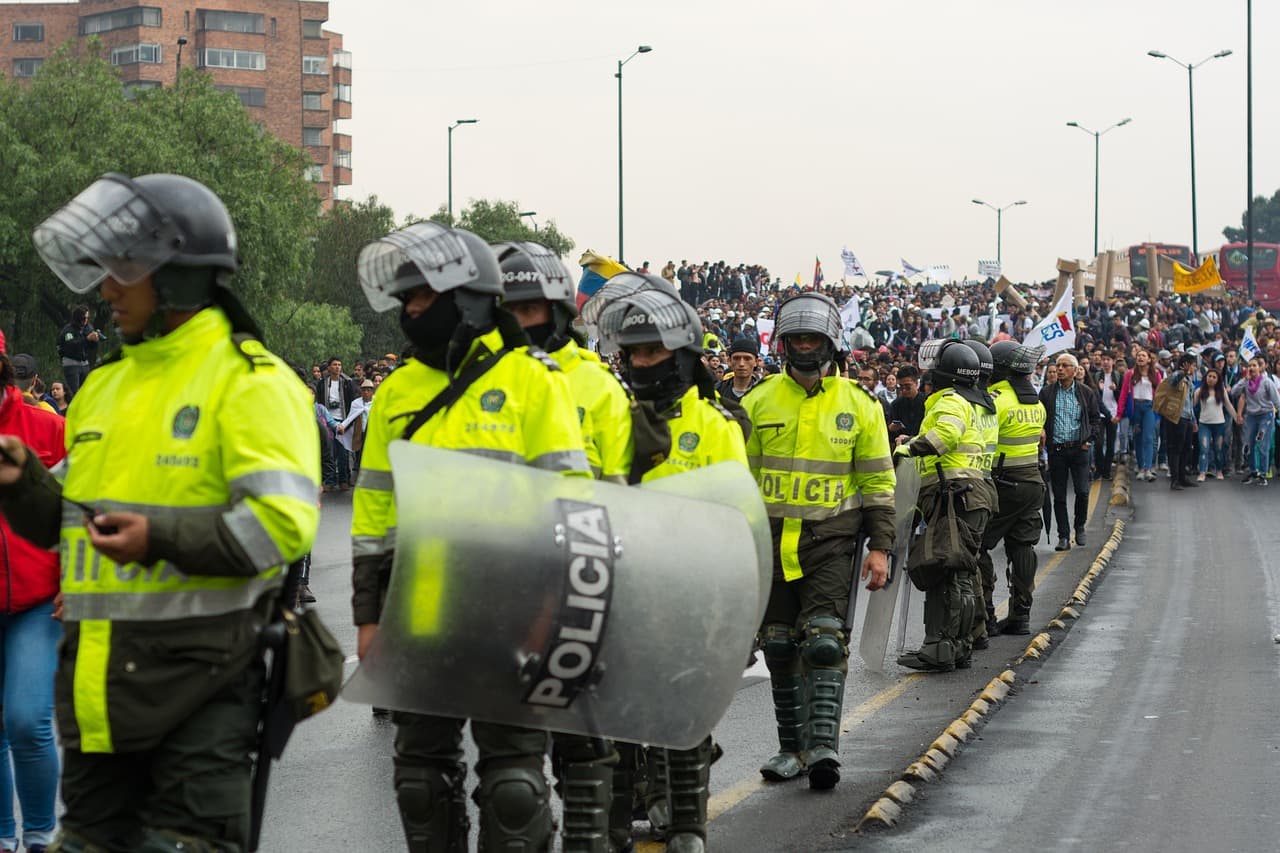
Colombia protests: thousands march against right-wing President Abelardo de la Espriella

The Wednesday marches marked the first time since August, when De la Espriella entered office pledging to fight crime and eradicate "narco-terrorists," that the opposition had mobilized on this scale.

Petro leads the Bogota rally

At the Bogota rally, Gustavo Petro - the former leftist president - stood at the front of a coalition of trade unionists, Indigenous groups, students and feminist activists. Petro's own time in office was Colombia's first leftist government: it made public universities free to enter, pushed the minimum wage to record levels and bettered conditions for workers.

"It's going to fall!" some of the demonstrators chanted, referring to Colombia's most right-wing government in decades. Left-wing Senator Ivan Cepeda, who lost a June election runoff to De la Espriella by less than a percentage point, attended the Bogota march.

Why demonstrators are worried

Protesters voiced fears of losing the gains of the previous government. "I feel like we have no guarantees and that the little we did obtain...we're about to lose," teacher Ester Guerra, 32, said in Bogota.

Unzo Vargas, a 44-year-old civil servant protesting with a rainbow flag, said: "Everything we have fought for for so long is at risk today."

De la Espriella stands among the most divisive leaders Colombia has had in the modern era. His critics say he puts the fragile peace process at risk, menaces minority rights and leans authoritarian. Conservatives, by contrast, have cheered him for taking the fight to guerrilla groups that refused to lay down arms a decade ago when the powerful FARC rebel army disbanded.

The president's response and the decree

On the eve of the marches, the president issued a decree that gives the authorities greater powers to crack down on protests where property is damaged or streets are blocked.

"Violence, vandalism, and blockades that trample on the rights of millions of citizens will not be tolerated," he wrote on X.

Opponents read the threatened use of force as a bid to muzzle those who criticize him. Oscar Perez, a 40-year-old teacher, said the authorities were trying to frighten the population so people would not go out to protest, adding: "but it's in the Constitution as a right."

Foreign policy on the march route

The marches also carried a message on foreign affairs. Marchers objected to the government's resumption of diplomatic ties with Israel - a relationship Petro had severed over the country's offensive in Gaza - and to its contested intention to recognize Jerusalem as Israel's capital.

De la Espriella, a trained lawyer and an enthusiastic US ally, saw protesters burn an American flag in the streets of the capital while others waved Palestinian flags. In the second city of Medellin, a demonstrator held aloft a placard reading "Yankees go home."


Thursday, Oct 15, 2026

english

World

• Analysis

Colombia protests: thousands march against right-wing President Abelardo de la Espriella

Thousands of Colombians protested peacefully across the country on Wednesday against right-wing President Abelardo de la Espriella, in the opposition's first major show of force since he took office in August.

By Haut Monde Post

Oct 15, 2026 • 3 Min Read

Colombia protests: thousands march against right-wing President Abelardo de la Espriella

The Wednesday marches marked the first time since August, when De la Espriella entered office pledging to fight crime and eradicate "narco-terrorists," that the opposition had mobilized on this scale.

Petro leads the Bogota rally

At the Bogota rally, Gustavo Petro - the former leftist president - stood at the front of a coalition of trade unionists, Indigenous groups, students and feminist activists. Petro's own time in office was Colombia's first leftist government: it made public universities free to enter, pushed the minimum wage to record levels and bettered conditions for workers.

"It's going to fall!" some of the demonstrators chanted, referring to Colombia's most right-wing government in decades. Left-wing Senator Ivan Cepeda, who lost a June election runoff to De la Espriella by less than a percentage point, attended the Bogota march.

Why demonstrators are worried

Protesters voiced fears of losing the gains of the previous government. "I feel like we have no guarantees and that the little we did obtain...we're about to lose," teacher Ester Guerra, 32, said in Bogota.

Unzo Vargas, a 44-year-old civil servant protesting with a rainbow flag, said: "Everything we have fought for for so long is at risk today."

De la Espriella stands among the most divisive leaders Colombia has had in the modern era. His critics say he puts the fragile peace process at risk, menaces minority rights and leans authoritarian. Conservatives, by contrast, have cheered him for taking the fight to guerrilla groups that refused to lay down arms a decade ago when the powerful FARC rebel army disbanded.

The president's response and the decree

On the eve of the marches, the president issued a decree that gives the authorities greater powers to crack down on protests where property is damaged or streets are blocked.

"Violence, vandalism, and blockades that trample on the rights of millions of citizens will not be tolerated," he wrote on X.

Opponents read the threatened use of force as a bid to muzzle those who criticize him. Oscar Perez, a 40-year-old teacher, said the authorities were trying to frighten the population so people would not go out to protest, adding: "but it's in the Constitution as a right."

Foreign policy on the march route

The marches also carried a message on foreign affairs. Marchers objected to the government's resumption of diplomatic ties with Israel - a relationship Petro had severed over the country's offensive in Gaza - and to its contested intention to recognize Jerusalem as Israel's capital.

De la Espriella, a trained lawyer and an enthusiastic US ally, saw protesters burn an American flag in the streets of the capital while others waved Palestinian flags. In the second city of Medellin, a demonstrator held aloft a placard reading "Yankees go home."

Thursday, Oct 15, 2026

english

World

• Analysis

Colombia protests: thousands march against right-wing President Abelardo de la Espriella

Thousands of Colombians protested peacefully across the country on Wednesday against right-wing President Abelardo de la Espriella, in the opposition's first major show of force since he took office in August.

By Haut Monde Post

Oct 15, 2026 • 3 Min Read

Colombia protests: thousands march against right-wing President Abelardo de la Espriella

The Wednesday marches marked the first time since August, when De la Espriella entered office pledging to fight crime and eradicate "narco-terrorists," that the opposition had mobilized on this scale.

Petro leads the Bogota rally

At the Bogota rally, Gustavo Petro - the former leftist president - stood at the front of a coalition of trade unionists, Indigenous groups, students and feminist activists. Petro's own time in office was Colombia's first leftist government: it made public universities free to enter, pushed the minimum wage to record levels and bettered conditions for workers.

"It's going to fall!" some of the demonstrators chanted, referring to Colombia's most right-wing government in decades. Left-wing Senator Ivan Cepeda, who lost a June election runoff to De la Espriella by less than a percentage point, attended the Bogota march.

Why demonstrators are worried

Protesters voiced fears of losing the gains of the previous government. "I feel like we have no guarantees and that the little we did obtain...we're about to lose," teacher Ester Guerra, 32, said in Bogota.

Unzo Vargas, a 44-year-old civil servant protesting with a rainbow flag, said: "Everything we have fought for for so long is at risk today."

De la Espriella stands among the most divisive leaders Colombia has had in the modern era. His critics say he puts the fragile peace process at risk, menaces minority rights and leans authoritarian. Conservatives, by contrast, have cheered him for taking the fight to guerrilla groups that refused to lay down arms a decade ago when the powerful FARC rebel army disbanded.

The president's response and the decree

On the eve of the marches, the president issued a decree that gives the authorities greater powers to crack down on protests where property is damaged or streets are blocked.

"Violence, vandalism, and blockades that trample on the rights of millions of citizens will not be tolerated," he wrote on X.

Opponents read the threatened use of force as a bid to muzzle those who criticize him. Oscar Perez, a 40-year-old teacher, said the authorities were trying to frighten the population so people would not go out to protest, adding: "but it's in the Constitution as a right."

Foreign policy on the march route

The marches also carried a message on foreign affairs. Marchers objected to the government's resumption of diplomatic ties with Israel - a relationship Petro had severed over the country's offensive in Gaza - and to its contested intention to recognize Jerusalem as Israel's capital.

De la Espriella, a trained lawyer and an enthusiastic US ally, saw protesters burn an American flag in the streets of the capital while others waved Palestinian flags. In the second city of Medellin, a demonstrator held aloft a placard reading "Yankees go home."