Thursday, October 15, 2026

english

HAUT MONDE

POST

World

• Analysis

North Korea Test-Fires Submarine-Launched Cruise Missiles Into East Sea

North Korea test-fired two types of submarine-launched strategic cruise missiles into the East Sea, also known as the Sea of Japan, on Wednesday, state media KCNA reported on Thursday.

By Haut Monde Post

• October 14, 2026

• 2 Min Read
North Korea Test-Fires Submarine-Launched Cruise Missiles Into East Sea

What KCNA said about the launches

The North Korea submarine-launched cruise missile test involved two types of strategic cruise missiles, fired into the East Sea, also called the Sea of Japan, KCNA said.

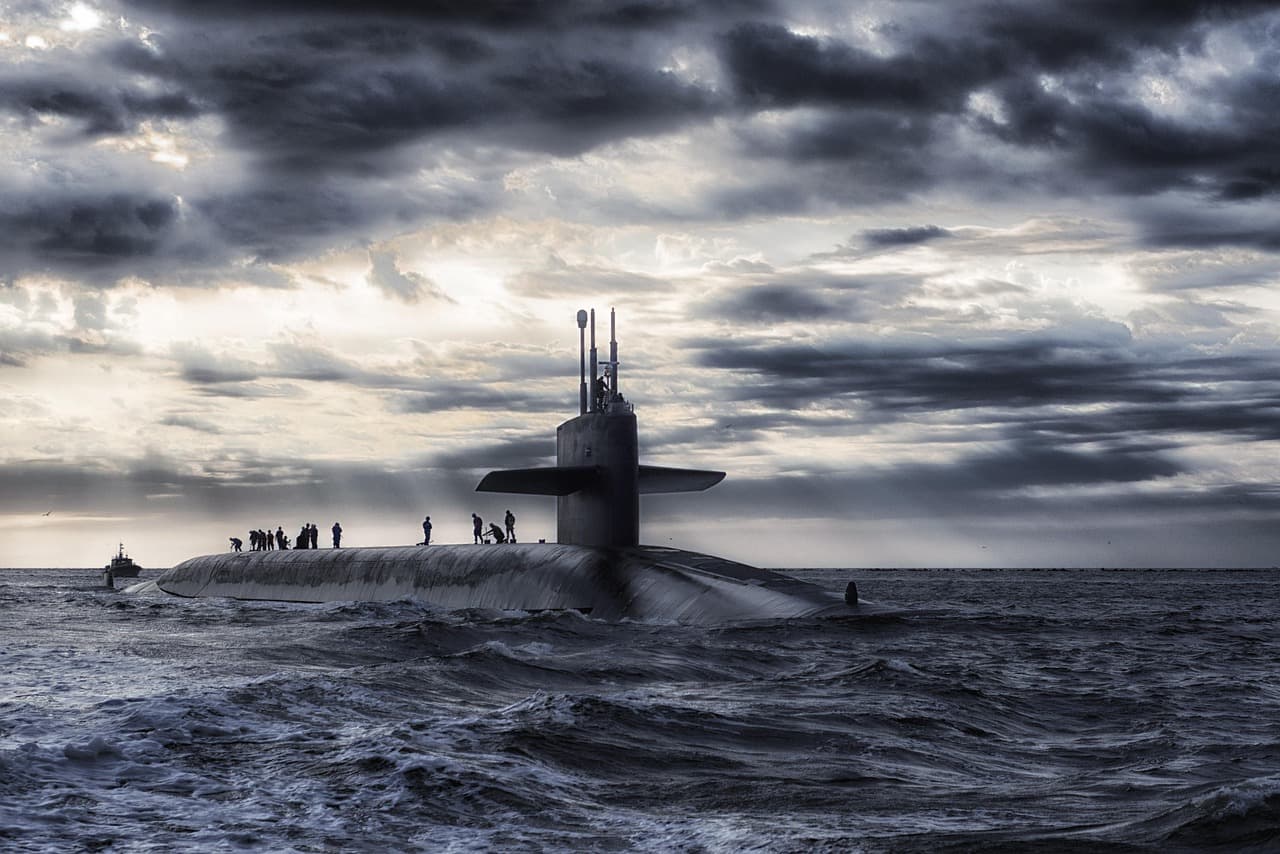
Photos released by the agency showed one missile blasting vertically out of the sea trailed by a thick plume of smoke, another rising at a 45-degree angle, a missile in horizontal flight and a submarine on the surface. KCNA said the launches were carried out without "any adverse impact on the security of neighboring countries".

Stated purpose of the test

State media described the firing as an exercise with a defined set of goals:

  • •examining the current mobilized posture of the underwater combat systems
  • •serving as a training exercise for the Navy
  • •demonstrating the reliability, trustworthiness and ability of the war deterrents of the DPRK

Tensions along the border

The tests come after a September 21 landmine explosion in the Demilitarised Zone injured three South Korean soldiers. The blast took place in the Seoul-controlled area of the heavily fortified border, and both countries have tested upgraded missile technology in the aftermath.

Why cruise missiles matter

North Korea has carried out several submarine missile launches in recent years, yet its sea-based launch capabilities remain unclear. A proven submarine-launched ballistic missile capability would allow deployment far beyond the Korean peninsula and provide a second-strike capability.

Cruise missiles themselves are jet-propelled and travel at lower altitudes than ballistic missiles, which makes them harder to detect and intercept.

The October launch follows a busy month on and around the peninsula: North Korea conducted multiple ballistic missile tests, most recently on Monday, and the two Koreas have traded hypersonic weapons tests in a tit-for-tat series this month - South Korea test-fired its first homegrown hypersonic missile last week, days after Pyongyang said it launched an AI-assisted intermediate-range hypersonic missile. The two countries remain technically at war, as the Korean conflict ended in 1953 with a truce rather than a peace treaty.

Thursday, Oct 15, 2026

english

World

• Analysis

North Korea Test-Fires Submarine-Launched Cruise Missiles Into East Sea

North Korea test-fired two types of submarine-launched strategic cruise missiles into the East Sea, also known as the Sea of Japan, on Wednesday, state media KCNA reported on Thursday.

By Haut Monde Post

Oct 14, 2026 • 2 Min Read

North Korea Test-Fires Submarine-Launched Cruise Missiles Into East Sea

What KCNA said about the launches

The North Korea submarine-launched cruise missile test involved two types of strategic cruise missiles, fired into the East Sea, also called the Sea of Japan, KCNA said.

Photos released by the agency showed one missile blasting vertically out of the sea trailed by a thick plume of smoke, another rising at a 45-degree angle, a missile in horizontal flight and a submarine on the surface. KCNA said the launches were carried out without "any adverse impact on the security of neighboring countries".

Stated purpose of the test

State media described the firing as an exercise with a defined set of goals:

  • •examining the current mobilized posture of the underwater combat systems
  • •serving as a training exercise for the Navy
  • •demonstrating the reliability, trustworthiness and ability of the war deterrents of the DPRK

Tensions along the border

The tests come after a September 21 landmine explosion in the Demilitarised Zone injured three South Korean soldiers. The blast took place in the Seoul-controlled area of the heavily fortified border, and both countries have tested upgraded missile technology in the aftermath.

Why cruise missiles matter

North Korea has carried out several submarine missile launches in recent years, yet its sea-based launch capabilities remain unclear. A proven submarine-launched ballistic missile capability would allow deployment far beyond the Korean peninsula and provide a second-strike capability.

Cruise missiles themselves are jet-propelled and travel at lower altitudes than ballistic missiles, which makes them harder to detect and intercept.

The October launch follows a busy month on and around the peninsula: North Korea conducted multiple ballistic missile tests, most recently on Monday, and the two Koreas have traded hypersonic weapons tests in a tit-for-tat series this month - South Korea test-fired its first homegrown hypersonic missile last week, days after Pyongyang said it launched an AI-assisted intermediate-range hypersonic missile. The two countries remain technically at war, as the Korean conflict ended in 1953 with a truce rather than a peace treaty.

Thursday, Oct 15, 2026

english

World

• Analysis

North Korea Test-Fires Submarine-Launched Cruise Missiles Into East Sea

North Korea test-fired two types of submarine-launched strategic cruise missiles into the East Sea, also known as the Sea of Japan, on Wednesday, state media KCNA reported on Thursday.

By Haut Monde Post

Oct 14, 2026 • 2 Min Read

North Korea Test-Fires Submarine-Launched Cruise Missiles Into East Sea

What KCNA said about the launches

The North Korea submarine-launched cruise missile test involved two types of strategic cruise missiles, fired into the East Sea, also called the Sea of Japan, KCNA said.

Photos released by the agency showed one missile blasting vertically out of the sea trailed by a thick plume of smoke, another rising at a 45-degree angle, a missile in horizontal flight and a submarine on the surface. KCNA said the launches were carried out without "any adverse impact on the security of neighboring countries".

Stated purpose of the test

State media described the firing as an exercise with a defined set of goals:

  • •examining the current mobilized posture of the underwater combat systems
  • •serving as a training exercise for the Navy
  • •demonstrating the reliability, trustworthiness and ability of the war deterrents of the DPRK

Tensions along the border

The tests come after a September 21 landmine explosion in the Demilitarised Zone injured three South Korean soldiers. The blast took place in the Seoul-controlled area of the heavily fortified border, and both countries have tested upgraded missile technology in the aftermath.

Why cruise missiles matter

North Korea has carried out several submarine missile launches in recent years, yet its sea-based launch capabilities remain unclear. A proven submarine-launched ballistic missile capability would allow deployment far beyond the Korean peninsula and provide a second-strike capability.

Cruise missiles themselves are jet-propelled and travel at lower altitudes than ballistic missiles, which makes them harder to detect and intercept.

The October launch follows a busy month on and around the peninsula: North Korea conducted multiple ballistic missile tests, most recently on Monday, and the two Koreas have traded hypersonic weapons tests in a tit-for-tat series this month - South Korea test-fired its first homegrown hypersonic missile last week, days after Pyongyang said it launched an AI-assisted intermediate-range hypersonic missile. The two countries remain technically at war, as the Korean conflict ended in 1953 with a truce rather than a peace treaty.