World
• Analysis
Rachel Jupp takes over as BBC director of news with authority to restore
Rachel Jupp has been appointed the BBC's director of news and current affairs, touring the New Broadcasting House newsroom on a Monday afternoon. She takes over from Deborah Turness, who resigned almost a year earlier, with BBC News facing job cuts, a pay dispute and questions over its authority.
By Haut Monde Post
• October 11, 2026
• 4 Min Read
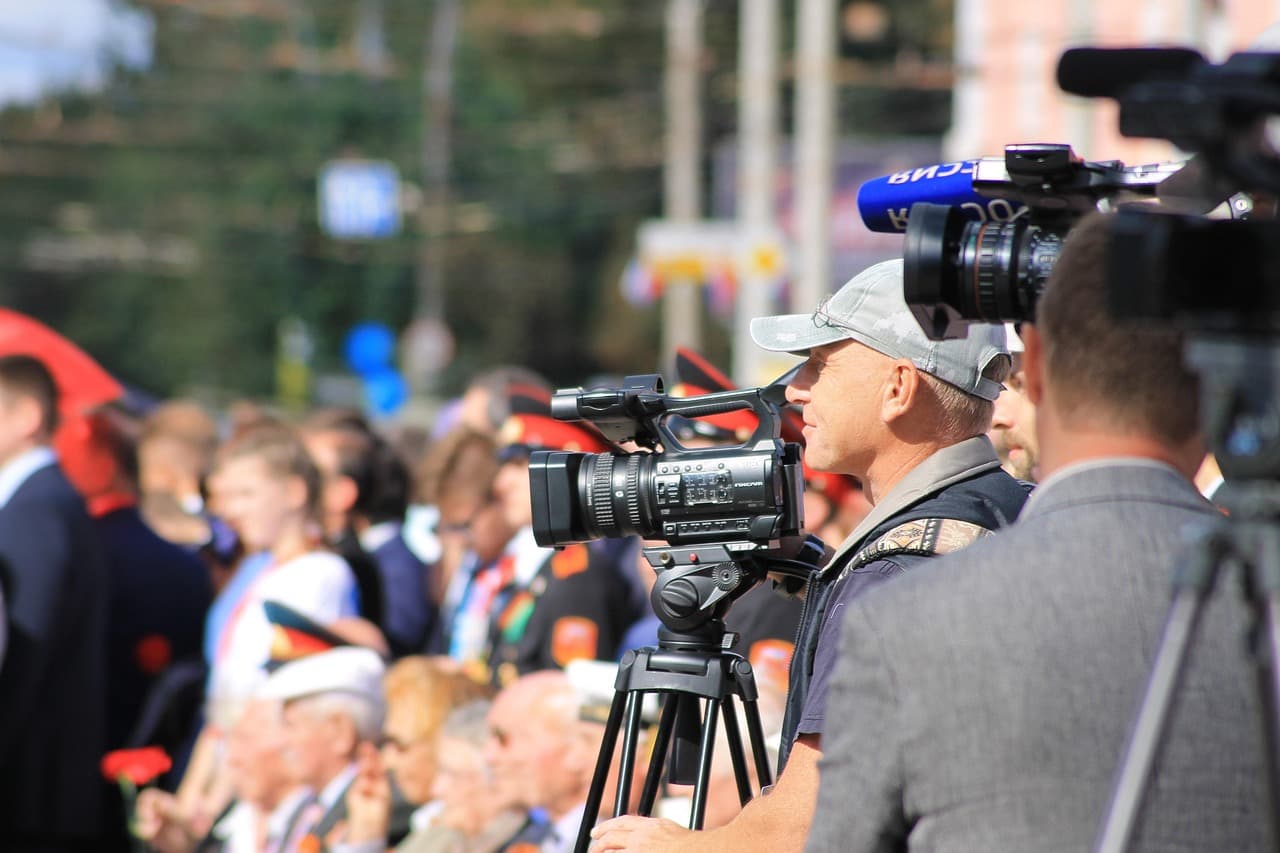
The new director of news and current affairs was easy to spot as she made her way through the newsroom deep in the belly of New Broadcasting House - the space BBC journalists call "the pit" - greeting staff on a Monday afternoon. She was Rachel Jupp, the BBC's newly appointed director of news and current affairs, arriving at last to fill a post that has stood empty for close to a year.
A year without a permanent chief
The shock resignation of Deborah Turness, Jupp's predecessor, was almost a year ago, and in the meantime journalists have grown frustrated waiting for direction. One BBC journalist, speaking anonymously, said staff needed a clear plan that included the timing of cuts - "a set direction of travel... a north star, as startups call it."
That impatience is set against immediate practical pressures: looming job cuts and an ongoing pay dispute greet Jupp on arrival.
According to Roger Mosey, the former head of BBC TV News, what executives want is clear: "they want the new director of news to restore the authority of BBC News."
The 'clicks v public service' debate
Inside BBC News, a series of announcements about show closures and strategy shifts has fuelled what staff describe as a "clicks v public service" debate: how far to adapt for digital platforms while holding on to impartiality.
Critics of the digital push point to specific examples they read as signs the corporation has lost its bearings:
- •a BBC website piece about penis fillers
- •recent social videos of reporters holding cheap mics
- •flagship programmes such as the Today programme and the 10 O'Clock News, which critics fear have not been nourished or championed online despite their large audiences
Mosey's diagnosis is that BBC News has struggled with its digital transformation because "it hasn't been able to translate the authority of the really big brands of TV and radio into an online world."
One BBC figure, quoted anonymously, framed Jupp's task in a single line: she must "go digital, without becoming a value-free click factory."
How Jupp got the job
The appointment followed a contest among four shortlisted candidates, but the final decision came down to Jupp and Esme Wren, the editor of Channel 4 News. Another contender, Jonathan Munro, had managed to avoid any major crises during his stint as the interim head of BBC News.
Director general Matt Brittin had wanted a candidate with experience running a big organisation - which Jupp lacked. What won her the role were two other qualities: solid editorial judgment, and what Brittin called "an appetite for transformation."
Her record supported both. She took charge of the BBC's documentary and long-form journalism after the Gaza documentary row, and has been at the heart of the BBC's use of generative AI. Colleagues like her, and she carries respect from previous roles at Channel 4 News, Newsnight and Panorama.
The tasks waiting on day one
The authority problem Mosey describes is not abstract. BBC News has been under fire over a Gaza documentary that had to be pulled and a spliced-together Trump speech that led to a multibillion-dollar lawsuit.
Jupp inherits a running list of pressures:
- •looming job cuts and an ongoing pay dispute across BBC News
- •the internal "clicks v public service" argument over digital strategy
- •criticism from the Gaza documentary and Trump speech episodes
Her new boss has signalled he expects movement. At an all-staff call, Brittin - a former Google executive who is a relatively new director general, working alongside deputy director general Rhodri Talfan Davies - said he wanted the organisation to be "a bit more Elvis – a little less conversation, a little more action."
One factor counted in Jupp's favour at the point of hiring: she could start almost immediately, given the pace at which a cash crisis is forcing the BBC into big, strategic choices.