Sunday, October 11, 2026

english

HAUT MONDE

POST

World

• Analysis

French student protests: students back in class, but unions plan fresh marches as UN voices concern

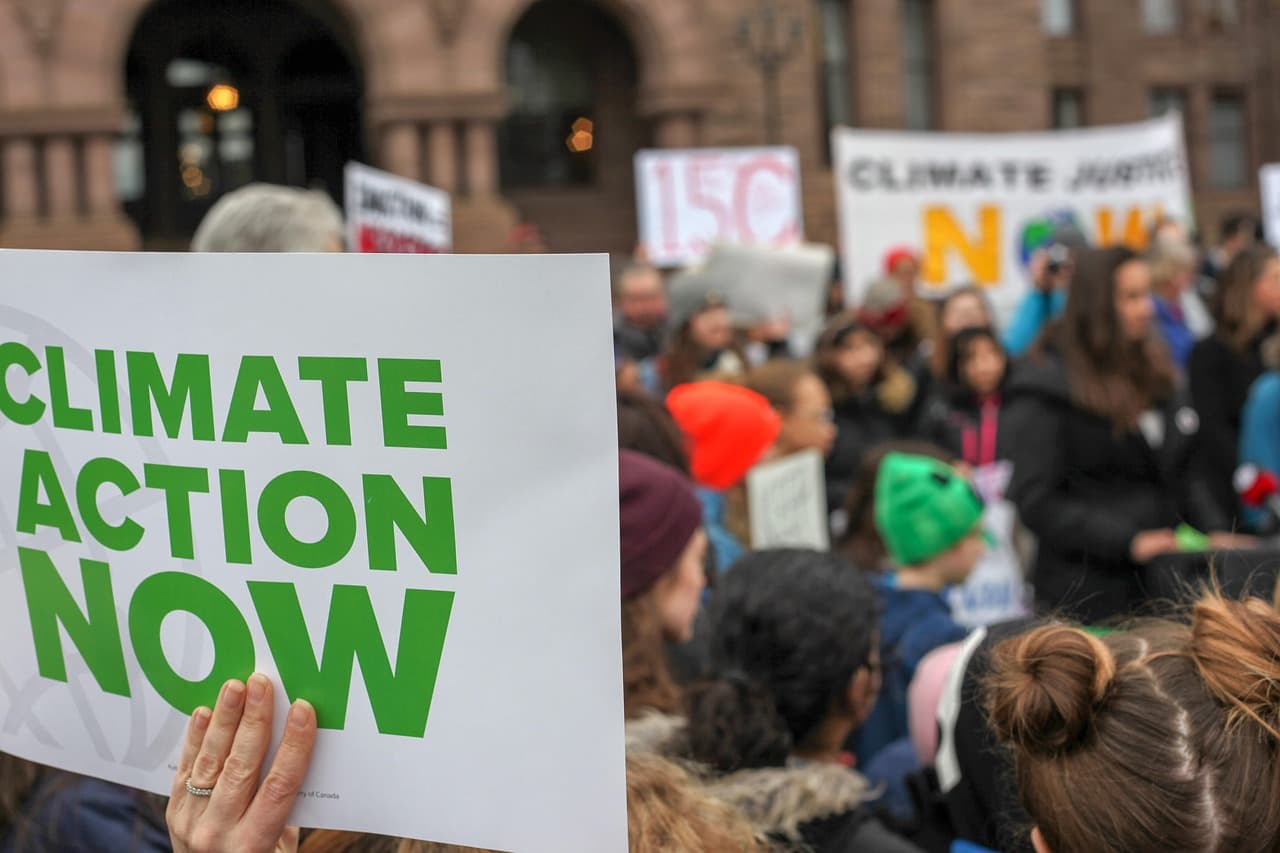
French high school students were largely back in class on Friday after days of French student protests over school conditions, but student unions vowed to keep up the movement and called new demonstrations for next week, as the UN human rights agency voiced concern over violent clashes with police.

By Haut Monde Post

• October 11, 2026

• 3 Min Read
French student protests: students back in class, but unions plan fresh marches as UN voices concern

A pause in the blockades, not in the movement

Classrooms across France filled again on Friday after days of protest over education and school conditions, but the movement itself did not end. Student unions said on Friday they would keep up the fight, even as the government registered a "marked slowdown" in the blockades. A week earlier, around 800 schools had closed because of the protests.

Since students began blocking high school entrances in late September, tens of thousands of people have taken to the streets, with riot police deployed. The protesters are mostly students aged 15 to 18, complaining of absent teachers, overloaded timetables and dilapidated classrooms that cannot cope with rising temperatures.

Organisers have called large-scale demonstrations for next week, and a 16-year-old in Toulouse explained the pause: "We're saving our energy for next week". Marius Mesnil, a student union representative, said "we're being offered a few crumbs" and called for another wave of demonstrations on Tuesday.

UN calls for de-escalation over violent clashes

The UN human rights agency called for de-escalation, voicing concern over violent clashes with police in which teenage protesters were severely injured. "We are following with concern incidents related to the student protests and high school blockades in France, some of which have turned violent," said Shabia Mantoo, spokesperson for the agency.

The protests have been largely peaceful, though some protesters started fires and vandalised bus shelters, and police responded with tear gas, batons and blast balls. On Thursday evening, police said they had used tear gas in Paris's Bastille square to disperse some "high-risk profiles".

  • •Rights groups and students accused police of disproportionate use of force; police have opened 18 internal investigations into allegations of misconduct.
  • •After a 15-year-old lost a hand on Monday when police fired a stun grenade, the government suspended use of the weapon.
  • •A government source said most injured high school students were hurt accidentally, "were not hurt by police action (but were) students who injured themselves accidentally".

Government measures and the cost so far

In a move announced late Thursday, Édouard Geffray, the education minister, said about 3,000 substitute teachers are to go into service over the coming days, taking the place of absent staff in the 114 high schools hit hardest. Prime Minister Sébastien Lecornu has promised a plan to respond to the crisis by the end of October.
  • •Economy Minister Roland Lescure said there was room to address demands for more school resources within the highly constrained 2027 budget.
  • •The draft budget gives education the second largest funding increase after defence, up 1.4 percent to €90.9 billion.

The cost of the unrest is already substantial. More than 6,800 people have been detained since the demonstrations began, of whom 86 percent are minors, the justice ministry said on Friday. A government source put the cost of damage at "at least 30 million euros".

Not all students were persuaded by the measures. Alice, a high school student in Marseille, said the education minister's announcements "are a first step but they're not enough". Organisers have called large-scale demonstrations for next week, with another wave planned for Tuesday, and Prime Minister Sébastien Lecornu has promised a plan to respond to the crisis by the end of October.
Sunday, Oct 11, 2026

english

World

• Analysis

French student protests: students back in class, but unions plan fresh marches as UN voices concern

French high school students were largely back in class on Friday after days of French student protests over school conditions, but student unions vowed to keep up the movement and called new demonstrations for next week, as the UN human rights agency voiced concern over violent clashes with police.

By Haut Monde Post

Oct 11, 2026 • 3 Min Read

French student protests: students back in class, but unions plan fresh marches as UN voices concern

A pause in the blockades, not in the movement

Classrooms across France filled again on Friday after days of protest over education and school conditions, but the movement itself did not end. Student unions said on Friday they would keep up the fight, even as the government registered a "marked slowdown" in the blockades. A week earlier, around 800 schools had closed because of the protests.

Since students began blocking high school entrances in late September, tens of thousands of people have taken to the streets, with riot police deployed. The protesters are mostly students aged 15 to 18, complaining of absent teachers, overloaded timetables and dilapidated classrooms that cannot cope with rising temperatures.

Organisers have called large-scale demonstrations for next week, and a 16-year-old in Toulouse explained the pause: "We're saving our energy for next week". Marius Mesnil, a student union representative, said "we're being offered a few crumbs" and called for another wave of demonstrations on Tuesday.

UN calls for de-escalation over violent clashes

The UN human rights agency called for de-escalation, voicing concern over violent clashes with police in which teenage protesters were severely injured. "We are following with concern incidents related to the student protests and high school blockades in France, some of which have turned violent," said Shabia Mantoo, spokesperson for the agency.

The protests have been largely peaceful, though some protesters started fires and vandalised bus shelters, and police responded with tear gas, batons and blast balls. On Thursday evening, police said they had used tear gas in Paris's Bastille square to disperse some "high-risk profiles".

  • •Rights groups and students accused police of disproportionate use of force; police have opened 18 internal investigations into allegations of misconduct.
  • •After a 15-year-old lost a hand on Monday when police fired a stun grenade, the government suspended use of the weapon.
  • •A government source said most injured high school students were hurt accidentally, "were not hurt by police action (but were) students who injured themselves accidentally".

Government measures and the cost so far

In a move announced late Thursday, Édouard Geffray, the education minister, said about 3,000 substitute teachers are to go into service over the coming days, taking the place of absent staff in the 114 high schools hit hardest. Prime Minister Sébastien Lecornu has promised a plan to respond to the crisis by the end of October.
  • •Economy Minister Roland Lescure said there was room to address demands for more school resources within the highly constrained 2027 budget.
  • •The draft budget gives education the second largest funding increase after defence, up 1.4 percent to €90.9 billion.

The cost of the unrest is already substantial. More than 6,800 people have been detained since the demonstrations began, of whom 86 percent are minors, the justice ministry said on Friday. A government source put the cost of damage at "at least 30 million euros".

Not all students were persuaded by the measures. Alice, a high school student in Marseille, said the education minister's announcements "are a first step but they're not enough". Organisers have called large-scale demonstrations for next week, with another wave planned for Tuesday, and Prime Minister Sébastien Lecornu has promised a plan to respond to the crisis by the end of October.

Sunday, Oct 11, 2026

english

World

• Analysis

French student protests: students back in class, but unions plan fresh marches as UN voices concern

French high school students were largely back in class on Friday after days of French student protests over school conditions, but student unions vowed to keep up the movement and called new demonstrations for next week, as the UN human rights agency voiced concern over violent clashes with police.

By Haut Monde Post

Oct 11, 2026 • 3 Min Read

French student protests: students back in class, but unions plan fresh marches as UN voices concern

A pause in the blockades, not in the movement

Classrooms across France filled again on Friday after days of protest over education and school conditions, but the movement itself did not end. Student unions said on Friday they would keep up the fight, even as the government registered a "marked slowdown" in the blockades. A week earlier, around 800 schools had closed because of the protests.

Since students began blocking high school entrances in late September, tens of thousands of people have taken to the streets, with riot police deployed. The protesters are mostly students aged 15 to 18, complaining of absent teachers, overloaded timetables and dilapidated classrooms that cannot cope with rising temperatures.

Organisers have called large-scale demonstrations for next week, and a 16-year-old in Toulouse explained the pause: "We're saving our energy for next week". Marius Mesnil, a student union representative, said "we're being offered a few crumbs" and called for another wave of demonstrations on Tuesday.

UN calls for de-escalation over violent clashes

The UN human rights agency called for de-escalation, voicing concern over violent clashes with police in which teenage protesters were severely injured. "We are following with concern incidents related to the student protests and high school blockades in France, some of which have turned violent," said Shabia Mantoo, spokesperson for the agency.

The protests have been largely peaceful, though some protesters started fires and vandalised bus shelters, and police responded with tear gas, batons and blast balls. On Thursday evening, police said they had used tear gas in Paris's Bastille square to disperse some "high-risk profiles".

  • •Rights groups and students accused police of disproportionate use of force; police have opened 18 internal investigations into allegations of misconduct.
  • •After a 15-year-old lost a hand on Monday when police fired a stun grenade, the government suspended use of the weapon.
  • •A government source said most injured high school students were hurt accidentally, "were not hurt by police action (but were) students who injured themselves accidentally".

Government measures and the cost so far

In a move announced late Thursday, Édouard Geffray, the education minister, said about 3,000 substitute teachers are to go into service over the coming days, taking the place of absent staff in the 114 high schools hit hardest. Prime Minister Sébastien Lecornu has promised a plan to respond to the crisis by the end of October.

  • •Economy Minister Roland Lescure said there was room to address demands for more school resources within the highly constrained 2027 budget.
  • •The draft budget gives education the second largest funding increase after defence, up 1.4 percent to €90.9 billion.

The cost of the unrest is already substantial. More than 6,800 people have been detained since the demonstrations began, of whom 86 percent are minors, the justice ministry said on Friday. A government source put the cost of damage at "at least 30 million euros".

Not all students were persuaded by the measures. Alice, a high school student in Marseille, said the education minister's announcements "are a first step but they're not enough". Organisers have called large-scale demonstrations for next week, with another wave planned for Tuesday, and Prime Minister Sébastien Lecornu has promised a plan to respond to the crisis by the end of October.