Technology
• Analysis
International Space Station: a rare East-West bridge in a conflictual era
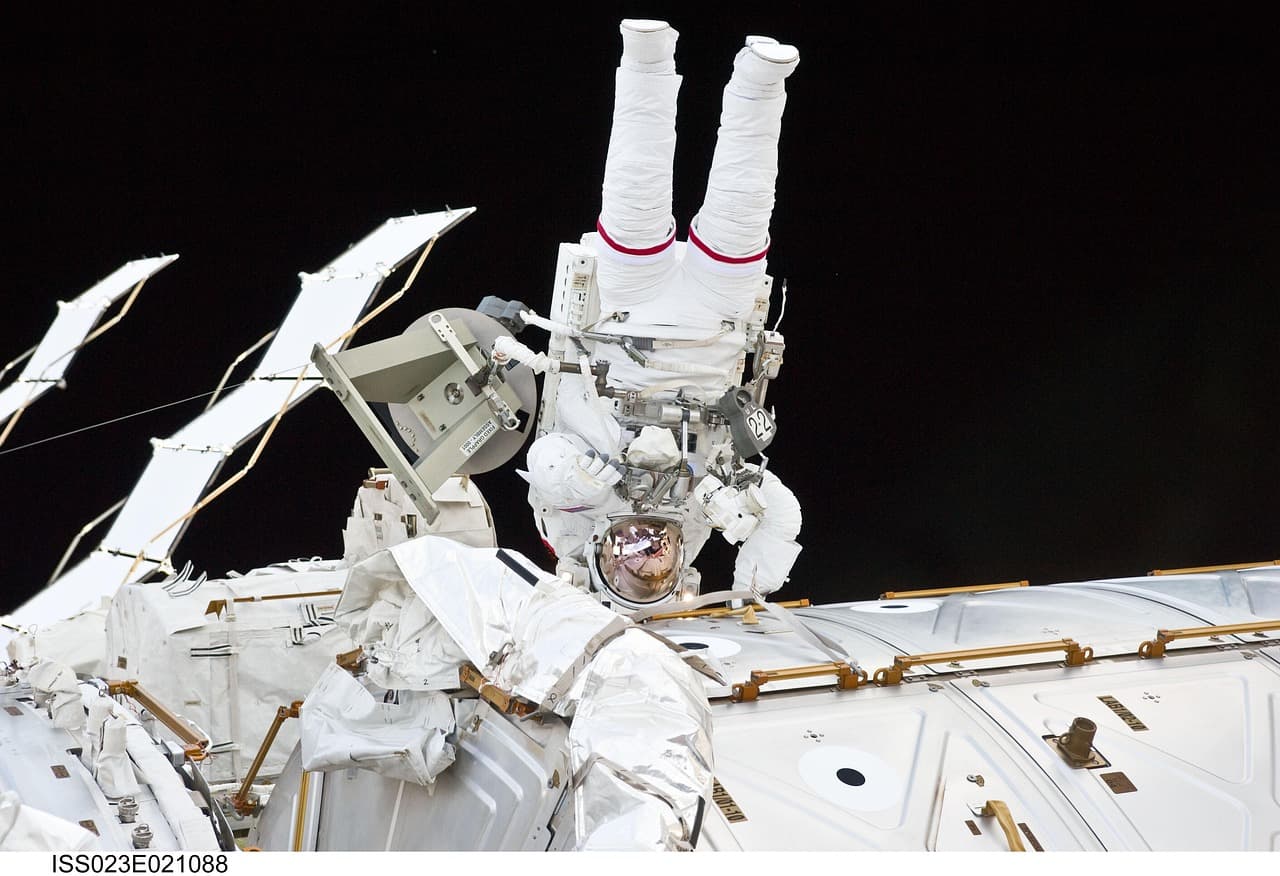
The International Space Station remains one of the last spaces where geopolitical adversaries still cooperate, says space geopolitics researcher Alban Guyomarc'h, speaking on France 24's Spotlight on 13 October 2026.
By Haut Monde Post
• October 14, 2026
• 2 Min Read
A collaboration space in a conflictual era
Alban Guyomarc'h, a researcher in space geopolitics at Paris's École Normale Supérieure, joined François Picard on France 24's Spotlight on 13 October 2026 to weigh the latest International Space Station mission. In his view, the flight matters for reasons that go well past engineering: as a new era of space rivalry unfolds, the station still stands as one of the last bastions of cooperation between geopolitical adversaries. "It's one of the rare collaboration spaces we still have today in a very conflictual era," he said.
A historic bridge between East and West
Guyomarc'h went further, describing the ISS as a historic bridge between East and West - a structure whose very existence links rivals in orbit.
What the discussion covered
The conversation on Spotlight ranged across three themes:
- •The emotional experience of returning from orbit
- •The geopolitical implications of the ISS's planned retirement
- •The intensifying competition to establish a permanent presence on the Moon
A paradox of exploration and fragility
Guyomarc'h's analysis extended to nuclear-powered lunar infrastructure, and it surfaced a paradox: as humanity acquires unprecedented capabilities to explore beyond Earth, the political foundations of cooperation in space appear increasingly fragile. The ISS's planned retirement and the race for a permanent Moon presence now loom as the next tests of East-West space cooperation.