World
• Analysis
France High School Protests Draw Hundreds of Thousands as Turnout Doubles
Tens of thousands joined rallies across France on Tuesday in support of high school students whose month-long protest movement has closed schools and universities nationwide, with unions putting the turnout at 480,000.
By Haut Monde Post
• October 13, 2026
• 3 Min Read
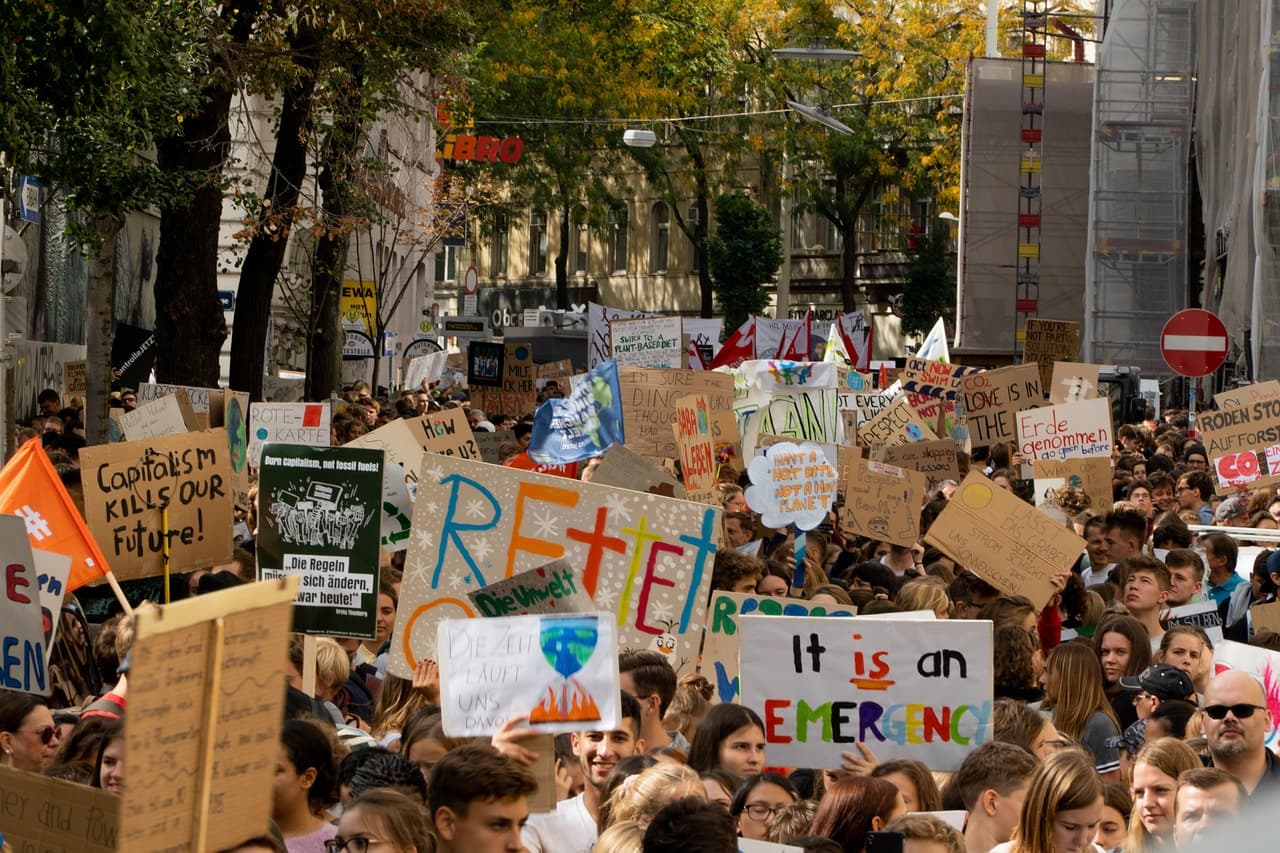
The solidarity marches swelled far beyond the demonstrations held the previous Thursday. According to the interior ministry, some 161,500 people took part nationwide - more than double the 71,500 it counted a week earlier.
Nationwide turnout and where marches took place
Unions helping organise Tuesday's rallies put the countrywide turnout at 480,000, while the interior ministry's own count came to 161,500. Most marches stayed peaceful, though violence flared on the sidelines of one of two Paris marches, where the ministry said 41,500 people participated.
Thousands also marched beyond the capital, according to police and reporters on the ground:
- •Nantes
- •Lyon
- •Lens
- •Strasbourg
- •Toulouse
- •Bordeaux
- •Marseille
University students, teachers and union leaders were prominent in the crowds, and the far-left France Unbowed (LFI) party backed the demonstrations, with its chief, presidential hopeful Jean-Luc Melenchon, seen among protesters in Paris. Greta Thunberg joined a demonstration in the Paris suburb of Saint-Denis, saying she was there because "our future is being robbed".
Why students are protesting
The movement began the previous month, when lycee students - high school pupils aged 15 to 18 - started blocking school entrances to demand better classroom conditions. Their grievances centre on absent teachers, dilapidated buildings and overcrowded schedules.
The closures spread widely across the education system on Tuesday:
- •The education ministry said 214 schools, mostly high schools, were closed.
- •The university student union l'Union Etudiante reported 90 percent of universities had closed nationwide in support.
Students rejected the government's pledge - made after last week's demonstrations - to send 3,000 substitute teachers to the 114 worst-affected schools. Naouel, a high school student in Brest, said: "We are continuing the blockades. We are not budging," and hoped the protests would continue after the late-October half-term holidays. In Nantes, 16-year-old Mariolino said: "Those who think the anger will disappear with the holidays just don't get it".
Violence on the sidelines and police scrutiny
Reporters saw cars set on fire and police firing tear gas in Paris as masked youths tried to erect barricades and threw objects; tear gas was also fired in Lyon. The heavy-handed police response perceived during earlier protests drove many to join the movement: one teenager lost his hand picking up a stun grenade, another lost an eye, and another lost teeth when a teargas canister was fired in his face.
Police have opened internal investigations into 34 allegations of violence against demonstrators, and the education ministry said 147 teaching staff have been injured in the protests. Patricia, a 20-year-old Paris university student, said: "We're not giving up the fight, whether it's for the high school students who were hit with a harsh crackdown, or for denouncing police violence".
Political weight and what comes next
The rallies landed six months before France votes for a successor to President Emmanuel Macron, who is completing his maximum second mandate. They come as his centrist government struggles to pass a cost-cutting budget through parliament, in the face of worsening debt that has spooked the bond market.
On Monday, Macron urged restraint from protesters, saying the issues "deserve time, consultations, discussion and respect".
"We're here because we really feel we're not being heard by the government," said Nina, 17.
Nationwide demonstrations against the cost of living are planned for Saturday, and unions and student groups expect the two protest currents to fuse.