• Analysis
China to Fly First Foreign Astronaut as Shenzhou-24 Launches Pakistani to Tiangong
Pakistan's Muhammad Zeeshan Ali will board China's Tiangong space station on the Shenzhou-24 mission lifting off Wednesday from the Jiuquan launch centre, becoming the first foreign astronaut on a Chinese crewed spaceflight.
Pakistan's Muhammad Zeeshan Ali is set to become China's first foreign astronaut on a crewed spaceflight, riding the Shenzhou-24 mission to the Tiangong space station on Wednesday. The announcement was made on Tuesday by the China Manned Space Agency.
Launch details
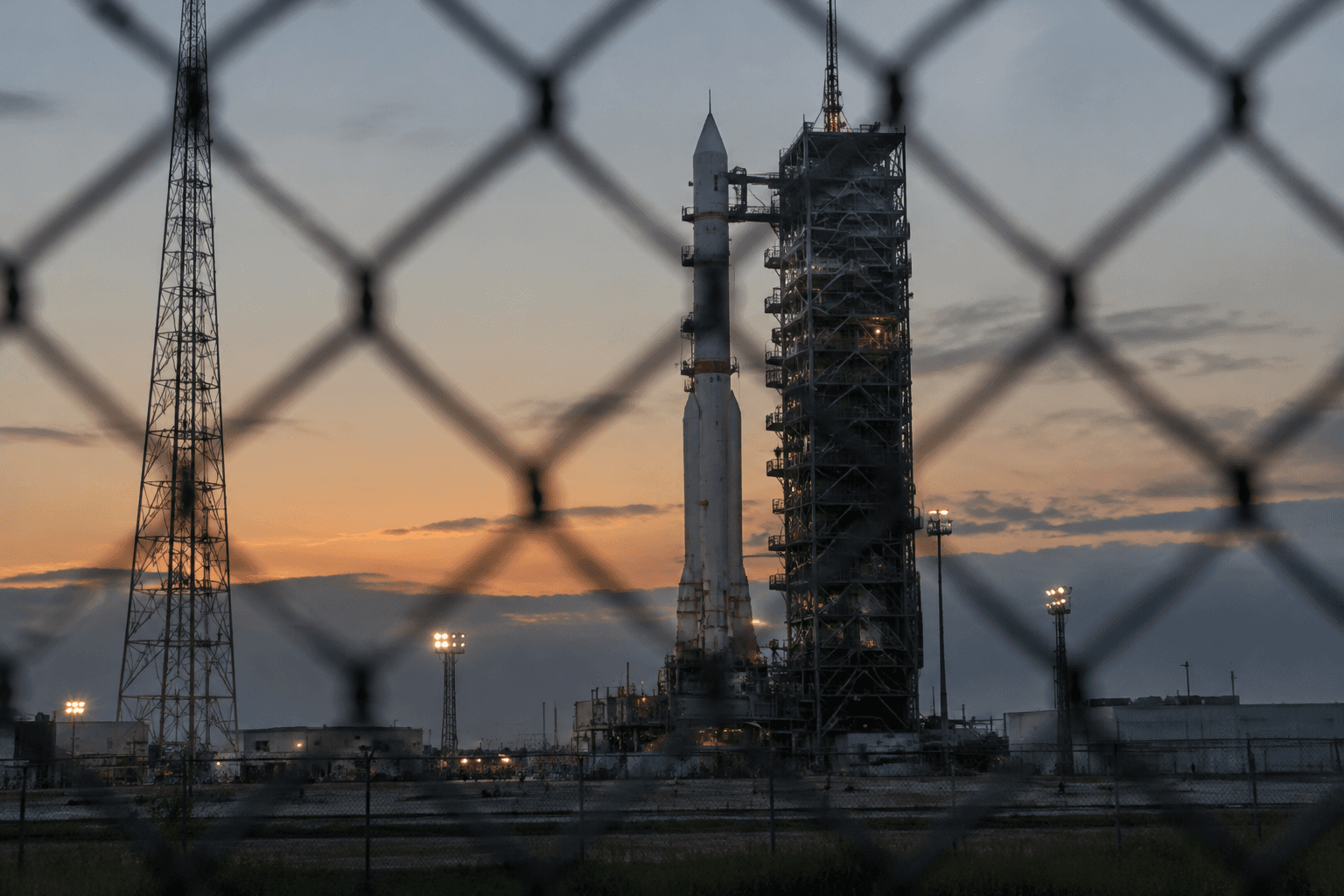
At a news conference on Tuesday, CMSA spokesman Zhang Jingbo said the Shenzhou-24 mission is set to lift off at 8:18am (0018 GMT) Wednesday from the Jiuquan launch centre in China's northwestern Gobi Desert. Ali, a Pakistani payload specialist, will fly with the crew. Zhang added that the Long March-2F rocket carrying the crew into space will soon be filled with propellant, and that the crew is in good condition and the space station is functioning normally, meeting all mission requirements.
The crew aboard Tiangong
The incoming crew will dock with the Tiangong space station, where teams of three astronauts are typically rotated every six months. The current crew is headed by 40-year-old Zhu Yangzhu and includes Lai Ka-ying and Zhang Zhiyuan, also 40. Lai is Hong Kong's first astronaut and the only woman currently aboard.
- •Zhu Yangzhu will remain on board to complete China's first full-year stay in space, described as a key test of endurance for the country's future lunar and deep-space ambitions.
- •Zhu's next six-month rotation companions are 51-year-old space veteran Tang Hongbo and Wu Yi, in his late thirties, on his first space voyage.
- •Ali is expected to last around five days in orbit before returning with the Shenzhou-23 spaceship, which docked at the Tiangong in May.
- •After the new all-male crew arrives, Ali will return to Earth alongside Lai and Zhang.
Training across languages
Tang Hongbo said learning to work together was more challenging in this mission because of differences in language, culture and even psychology, but that the efforts were paying off. He noted that the Pakistani astronaut began training with virtually no foundation in Chinese, since the written material aboard the vehicles is entirely in that language.
"The labels and operating instructions aboard the spacecraft and space station are all in Chinese"
Tang added that he and Wu also stepped up their English learning as part of the cooperation.
Pakistan's reactions and Ali's words
Speaking after remarks in Mandarin and Urdu, Ali addressed children watching the flight. "I carry the name of Pakistan on my shoulder, the hopes of 250 million Pakistanis," he said, urging every child watching from Earth to look up at the sky while he is in orbit.
Pakistani officials welcomed the flight. Information Minister Attaullah Tarar called the mission a source of joy and pride for the entire nation, while Planning Minister Ahsan Iqbal said it underscores trust and "iron brotherhood" between the two countries.
Ali is not the first Pakistani in space: Monaco-based polar explorer Namira Salim flew on Virgin Galactic's Galactic 04 mission in October 2023. Beijing has invested heavily in its space programme in recent years as it seeks to catch up with the United States, and Pakistan maintains close diplomatic and trade ties with China. The next step is the propellant load of the Long March-2F ahead of Wednesday's liftoff.