Sunday, October 4, 2026

english

HAUT MONDE

POST

Politics

• Analysis

UK rejoin EU poll: nearly half of voters back re-entry, megapoll finds

A UK rejoin EU poll of 11,461 voters by the Messina Group (TMG) has found 49% back rejoining the bloc, the most popular of seven options tested, and that closer ties could lift Labour's vote share by up to seven points.

By Haut Monde Post

• October 4, 2026

• 5 Min Read
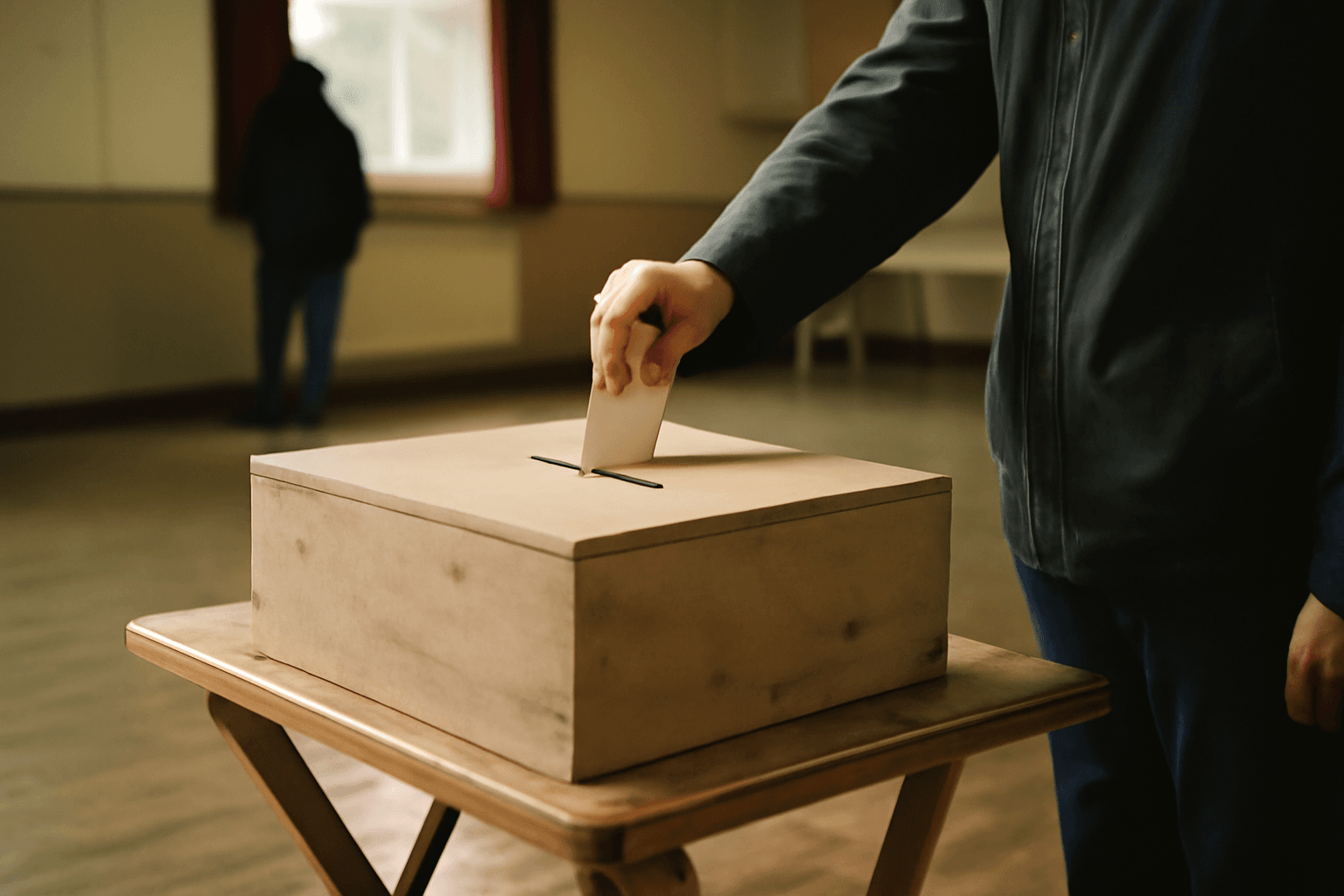
A hand lowers a folded paper slip into a plain wooden ballot box on a trestle table in a village hall.

What the megapoll found

The survey was carried out by the Messina Group (TMG), which polled 11,461 people, weighting the sample by referendum result, with fieldwork running from 12-24 September. Respondents were asked about seven different options for the UK's relationship with the EU. Rejoining after the next election is Andy Burnham's personal preference, and almost half of all voters back that position.

Ranked by support, with the figures for and against, the seven options stand as follows:

  • •Rejoin the EU: 49% in favour and 28.5% against, making it the most popular option tested
  • •Keep the existing relationship but cut as many trade barriers as possible, the government's reset approach: 48.2% support, 20.9% against
  • •A customs union: 47.1% in favour, 20.7% against
  • •Associate membership of the EU: backed by 45.5% of respondents
  • •Joining the single market: supported by 45.1%, leaving the two options virtually neck and neck
  • •Sticking with the existing relationship: backed by 42%
  • •The UK moving further away from the EU: supported by only 27.9%, with 41.2% against

The attitudes surrounding those choices point the same way. More than two-thirds of voters thought trading with the EU was more important than trading with the US or China if the UK had to choose. Four in five people want to keep the pound, and a majority want to stay in the ECHR, at 53.4% versus 24.2% against.

Labour's potential vote boost

TMG also tested political messaging for each option. Labour's vote share went up by between 4.3 and 7.4 percentage points for all the scenarios that resulted in closer ties, with most of the votes gained coming from the Greens and the Lib Dems. The top of that range, as much as seven points, would come if the prime minister offered a fresh referendum and campaigned to re-enter the bloc.

The findings will bolster the case of those inside Downing Street who want Labour to promise at the next election that it would at least negotiate over re-entry. The prime minister has said he wants to see re-entry happen "in his lifetime".

Downing Street's strategy appears to be to put the focus on those who made big promises on Brexit but then failed to deliver, rather than accusing Leave voters of deciding wrongly.

How and when voters want rejoining decided

Voters also split over how re-entry should be authorised. Almost a third said an in-out referendum would be needed first. More than one in six felt that a general election mandate would be sufficient, and the same proportion thought parliament could make the decision.

On timing, the answers were:

  • •25.9% - a plurality - want the UK to rejoin the EU immediately
  • •22.9% say rejoining should happen in the next three years
  • •8.4% would place it over the next decade
  • •23% say they do not want a closer relationship with the EU at all

The polling also found that the Brexit arguments over immigration control and sovereignty still resonated.

Cabinet urges caution as Burnham opens the question

Burnham used his first Labour conference speech as leader, on Tuesday, to announce a review of the options for Britain's future relationship with Europe. He subsequently added that the options under review should include rejoining the EU entirely. Cabinet ministers concerned about reopening Brexit divides are privately urging him to proceed with caution, and the government's shift in position has caused some anxiety among his team.

Before that speech, several ministers had publicly cautioned against the move. The deputy leader, Lucy Powell, said the defence and security relationship could be better, but that going beyond the EU reset plans inherited from Keir Starmer was "not possible nor desirable". The trade secretary, Jonathan Reynolds, said "constitutional questions" around Britain's EU relationship were causing uncertainty for business.

The home secretary, Shabana Mahmood, said rejoining was:

"not a simple, straightforward thing"

She added that the costs might be unacceptable.

Some Labour MPs, especially those with constituencies that voted for Brexit, fear even testing public support for the move would carry heavy political risk and a potential boost to Reform. Two-thirds of cabinet ministers represent seats that backed Brexit and previously said they would respect the 2016 vote; they include Burnham himself, first secretary Louise Haigh, chancellor John Healey and foreign secretary Ed Miliband.

In private, the tone was more open. One cabinet minister said Brexit clearly has not worked and the promises made have not been kept, so Burnham is right to open up the question, but must proceed with caution because division should not be restoked. A second said Burnham is right to seek clarity on the long-term relationship, that security and trade cooperation are higher up the agenda than a decade ago, and that his constituents will be cautious.

A third pointed to the Made in Europe agenda: it means the UK needs to talk to the EU about the long-term relationship, because what the EU is currently proposing is very challenging.

A fifth cabinet figure is sceptical about the terms of rejoining and whether it would resolve problems in people's lives, but says the global context demands a closer relationship with the EU. Another cabinet source said ministers with Leave-voting seats are aware opinions will differ and that the arguments about the future will have to be carefully made around the national interest.

The next step sits with Downing Street. Senior officials there have been in contact with thinktanks and pollsters as they look to test public support for the UK rejoining the EU, and the TMG research is expected to be shared with the current Downing Street operation.


Sunday, Oct 4, 2026

english

Politics

• Analysis

UK rejoin EU poll: nearly half of voters back re-entry, megapoll finds

A UK rejoin EU poll of 11,461 voters by the Messina Group (TMG) has found 49% back rejoining the bloc, the most popular of seven options tested, and that closer ties could lift Labour's vote share by up to seven points.

By Haut Monde Post

Oct 4, 2026 • 5 Min Read

A hand lowers a folded paper slip into a plain wooden ballot box on a trestle table in a village hall.

What the megapoll found

The survey was carried out by the Messina Group (TMG), which polled 11,461 people, weighting the sample by referendum result, with fieldwork running from 12-24 September. Respondents were asked about seven different options for the UK's relationship with the EU. Rejoining after the next election is Andy Burnham's personal preference, and almost half of all voters back that position.

Ranked by support, with the figures for and against, the seven options stand as follows:

  • •Rejoin the EU: 49% in favour and 28.5% against, making it the most popular option tested
  • •Keep the existing relationship but cut as many trade barriers as possible, the government's reset approach: 48.2% support, 20.9% against
  • •A customs union: 47.1% in favour, 20.7% against
  • •Associate membership of the EU: backed by 45.5% of respondents
  • •Joining the single market: supported by 45.1%, leaving the two options virtually neck and neck
  • •Sticking with the existing relationship: backed by 42%
  • •The UK moving further away from the EU: supported by only 27.9%, with 41.2% against

The attitudes surrounding those choices point the same way. More than two-thirds of voters thought trading with the EU was more important than trading with the US or China if the UK had to choose. Four in five people want to keep the pound, and a majority want to stay in the ECHR, at 53.4% versus 24.2% against.

Labour's potential vote boost

TMG also tested political messaging for each option. Labour's vote share went up by between 4.3 and 7.4 percentage points for all the scenarios that resulted in closer ties, with most of the votes gained coming from the Greens and the Lib Dems. The top of that range, as much as seven points, would come if the prime minister offered a fresh referendum and campaigned to re-enter the bloc.

The findings will bolster the case of those inside Downing Street who want Labour to promise at the next election that it would at least negotiate over re-entry. The prime minister has said he wants to see re-entry happen "in his lifetime".

Downing Street's strategy appears to be to put the focus on those who made big promises on Brexit but then failed to deliver, rather than accusing Leave voters of deciding wrongly.

How and when voters want rejoining decided

Voters also split over how re-entry should be authorised. Almost a third said an in-out referendum would be needed first. More than one in six felt that a general election mandate would be sufficient, and the same proportion thought parliament could make the decision.

On timing, the answers were:

  • •25.9% - a plurality - want the UK to rejoin the EU immediately
  • •22.9% say rejoining should happen in the next three years
  • •8.4% would place it over the next decade
  • •23% say they do not want a closer relationship with the EU at all

The polling also found that the Brexit arguments over immigration control and sovereignty still resonated.

Cabinet urges caution as Burnham opens the question

Burnham used his first Labour conference speech as leader, on Tuesday, to announce a review of the options for Britain's future relationship with Europe. He subsequently added that the options under review should include rejoining the EU entirely. Cabinet ministers concerned about reopening Brexit divides are privately urging him to proceed with caution, and the government's shift in position has caused some anxiety among his team.

Before that speech, several ministers had publicly cautioned against the move. The deputy leader, Lucy Powell, said the defence and security relationship could be better, but that going beyond the EU reset plans inherited from Keir Starmer was "not possible nor desirable". The trade secretary, Jonathan Reynolds, said "constitutional questions" around Britain's EU relationship were causing uncertainty for business.

The home secretary, Shabana Mahmood, said rejoining was:

"not a simple, straightforward thing"

She added that the costs might be unacceptable.

Some Labour MPs, especially those with constituencies that voted for Brexit, fear even testing public support for the move would carry heavy political risk and a potential boost to Reform. Two-thirds of cabinet ministers represent seats that backed Brexit and previously said they would respect the 2016 vote; they include Burnham himself, first secretary Louise Haigh, chancellor John Healey and foreign secretary Ed Miliband.

In private, the tone was more open. One cabinet minister said Brexit clearly has not worked and the promises made have not been kept, so Burnham is right to open up the question, but must proceed with caution because division should not be restoked. A second said Burnham is right to seek clarity on the long-term relationship, that security and trade cooperation are higher up the agenda than a decade ago, and that his constituents will be cautious.

A third pointed to the Made in Europe agenda: it means the UK needs to talk to the EU about the long-term relationship, because what the EU is currently proposing is very challenging.

A fifth cabinet figure is sceptical about the terms of rejoining and whether it would resolve problems in people's lives, but says the global context demands a closer relationship with the EU. Another cabinet source said ministers with Leave-voting seats are aware opinions will differ and that the arguments about the future will have to be carefully made around the national interest.

The next step sits with Downing Street. Senior officials there have been in contact with thinktanks and pollsters as they look to test public support for the UK rejoining the EU, and the TMG research is expected to be shared with the current Downing Street operation.

Sunday, Oct 4, 2026

english

Politics

• Analysis

UK rejoin EU poll: nearly half of voters back re-entry, megapoll finds

A UK rejoin EU poll of 11,461 voters by the Messina Group (TMG) has found 49% back rejoining the bloc, the most popular of seven options tested, and that closer ties could lift Labour's vote share by up to seven points.

By Haut Monde Post

Oct 4, 2026 • 5 Min Read

A hand lowers a folded paper slip into a plain wooden ballot box on a trestle table in a village hall.

What the megapoll found

The survey was carried out by the Messina Group (TMG), which polled 11,461 people, weighting the sample by referendum result, with fieldwork running from 12-24 September. Respondents were asked about seven different options for the UK's relationship with the EU. Rejoining after the next election is Andy Burnham's personal preference, and almost half of all voters back that position.

Ranked by support, with the figures for and against, the seven options stand as follows:

  • •Rejoin the EU: 49% in favour and 28.5% against, making it the most popular option tested
  • •Keep the existing relationship but cut as many trade barriers as possible, the government's reset approach: 48.2% support, 20.9% against
  • •A customs union: 47.1% in favour, 20.7% against
  • •Associate membership of the EU: backed by 45.5% of respondents
  • •Joining the single market: supported by 45.1%, leaving the two options virtually neck and neck
  • •Sticking with the existing relationship: backed by 42%
  • •The UK moving further away from the EU: supported by only 27.9%, with 41.2% against

The attitudes surrounding those choices point the same way. More than two-thirds of voters thought trading with the EU was more important than trading with the US or China if the UK had to choose. Four in five people want to keep the pound, and a majority want to stay in the ECHR, at 53.4% versus 24.2% against.

Labour's potential vote boost

TMG also tested political messaging for each option. Labour's vote share went up by between 4.3 and 7.4 percentage points for all the scenarios that resulted in closer ties, with most of the votes gained coming from the Greens and the Lib Dems. The top of that range, as much as seven points, would come if the prime minister offered a fresh referendum and campaigned to re-enter the bloc.

The findings will bolster the case of those inside Downing Street who want Labour to promise at the next election that it would at least negotiate over re-entry. The prime minister has said he wants to see re-entry happen "in his lifetime".

Downing Street's strategy appears to be to put the focus on those who made big promises on Brexit but then failed to deliver, rather than accusing Leave voters of deciding wrongly.

How and when voters want rejoining decided

Voters also split over how re-entry should be authorised. Almost a third said an in-out referendum would be needed first. More than one in six felt that a general election mandate would be sufficient, and the same proportion thought parliament could make the decision.

On timing, the answers were:

  • •25.9% - a plurality - want the UK to rejoin the EU immediately
  • •22.9% say rejoining should happen in the next three years
  • •8.4% would place it over the next decade
  • •23% say they do not want a closer relationship with the EU at all

The polling also found that the Brexit arguments over immigration control and sovereignty still resonated.

Cabinet urges caution as Burnham opens the question

Burnham used his first Labour conference speech as leader, on Tuesday, to announce a review of the options for Britain's future relationship with Europe. He subsequently added that the options under review should include rejoining the EU entirely. Cabinet ministers concerned about reopening Brexit divides are privately urging him to proceed with caution, and the government's shift in position has caused some anxiety among his team.

Before that speech, several ministers had publicly cautioned against the move. The deputy leader, Lucy Powell, said the defence and security relationship could be better, but that going beyond the EU reset plans inherited from Keir Starmer was "not possible nor desirable". The trade secretary, Jonathan Reynolds, said "constitutional questions" around Britain's EU relationship were causing uncertainty for business.

The home secretary, Shabana Mahmood, said rejoining was:

"not a simple, straightforward thing"

She added that the costs might be unacceptable.

Some Labour MPs, especially those with constituencies that voted for Brexit, fear even testing public support for the move would carry heavy political risk and a potential boost to Reform. Two-thirds of cabinet ministers represent seats that backed Brexit and previously said they would respect the 2016 vote; they include Burnham himself, first secretary Louise Haigh, chancellor John Healey and foreign secretary Ed Miliband.

In private, the tone was more open. One cabinet minister said Brexit clearly has not worked and the promises made have not been kept, so Burnham is right to open up the question, but must proceed with caution because division should not be restoked. A second said Burnham is right to seek clarity on the long-term relationship, that security and trade cooperation are higher up the agenda than a decade ago, and that his constituents will be cautious.

A third pointed to the Made in Europe agenda: it means the UK needs to talk to the EU about the long-term relationship, because what the EU is currently proposing is very challenging.

A fifth cabinet figure is sceptical about the terms of rejoining and whether it would resolve problems in people's lives, but says the global context demands a closer relationship with the EU. Another cabinet source said ministers with Leave-voting seats are aware opinions will differ and that the arguments about the future will have to be carefully made around the national interest.

The next step sits with Downing Street. Senior officials there have been in contact with thinktanks and pollsters as they look to test public support for the UK rejoining the EU, and the TMG research is expected to be shared with the current Downing Street operation.