Friday, October 2, 2026

english

HAUT MONDE

POST

Politics

• Analysis

England school inspections face second Ofsted overhaul after stress complaints

Education secretary Lucy Powell will tell Ofsted to go back to the drawing board over its new school inspection system in England, triggering a second Ofsted overhaul in just over a year after complaints that the regime is dangerously stressful. Her changes are to be communicated to the regulator in the coming weeks.

By Haut Monde Post

• October 2, 2026

• 5 Min Read
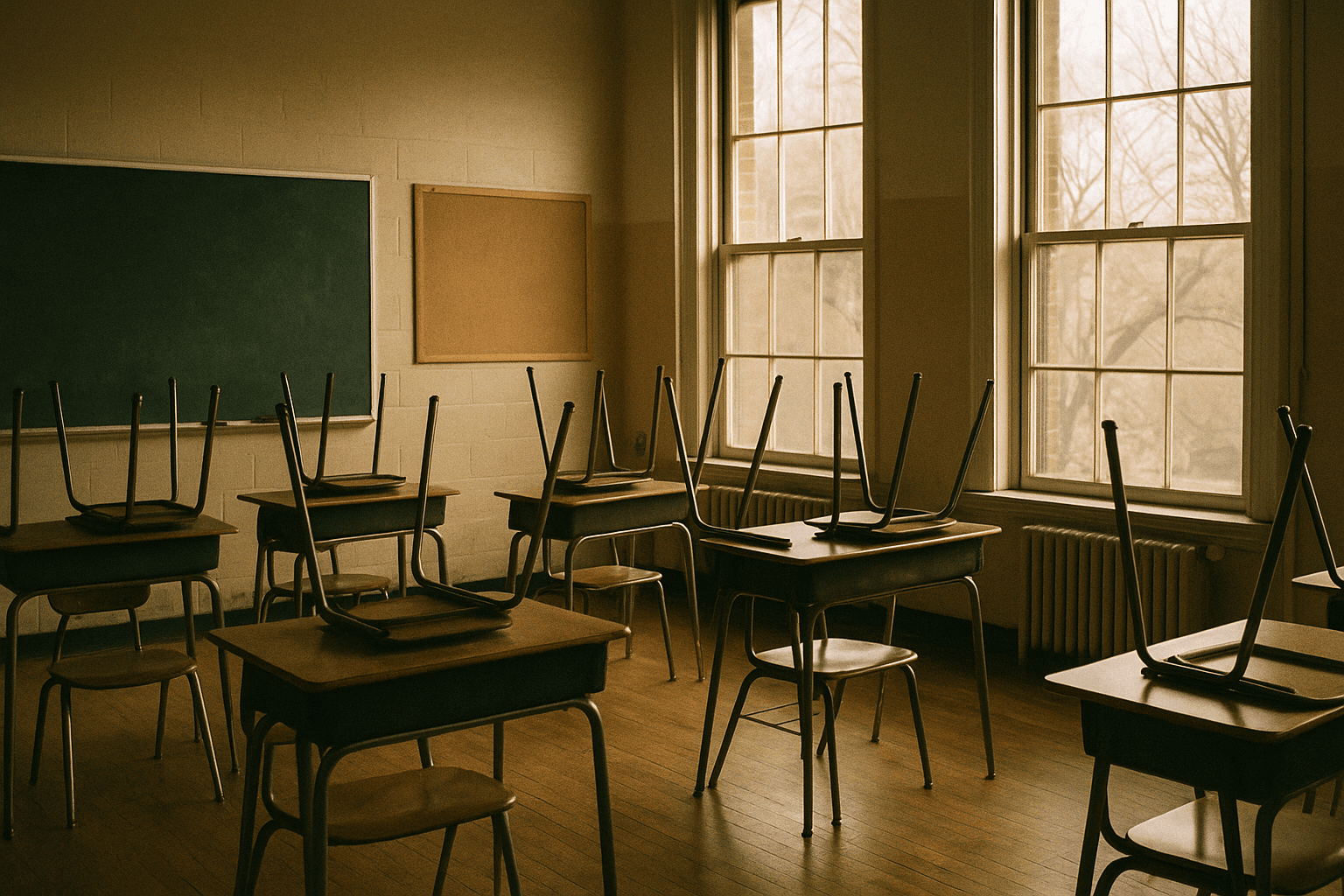
Empty school classroom with chairs stacked on desks and late afternoon light coming through the tall windows.

Back to the drawing board

Powell will tell Ofsted to "go back to the drawing board" over its new inspection system, having grown worried that the changes overseen by her predecessor, Bridget Phillipson, were creating problems for headteachers. She is not asking for the new ratings system to be scrapped: schools will still be scored from "exceptional" to needing "urgent improvement" in six key areas.

  • •Inspectors are to give greater weight to the social and economic background of each school and its pupils.
  • •According to a source, the priority is measuring inclusion — the area where most of the problems appear to lie — and Ofsted will be told to rethink how it is done.
  • •The new instructions will reach the regulator in the coming weeks.

Speaking at an event at last week's Labour party conference, the education secretary said she wants a much stronger emphasis on context in the current inspection regime. She cautioned that reform in this area cannot happen very fast, but said it is absolutely needed.

A second shake-up in just over a year

This is the second set of major alterations to England's school inspection regime in just over a year. The first followed Labour's election manifesto pledge to replace the previous inspection framework after the death of the headteacher Ruth Perry.

The "report card" system that replaced it came into force last year, retiring the headline grades that ran from "outstanding" to "inadequate". It was designed to offer more detail while easing the pressure on schools. Teachers at first welcomed the change, though critics warned it would leave parents less able to judge a school.

Phillipson, who oversaw the original changes as education secretary, is now equalities minister and party chair. She and Powell fought an occasionally bitter contest for Labour's deputy leadership last year, during which their allies traded insults and accusations. When Andy Burnham entered Downing Street, he promoted Powell, a long-term ally, into Phillipson's former job.

Stress complaints from school leaders

Since the report cards arrived, school leaders have complained that the regime damages their mental health and creates greater stress than the system it replaced. Prof Julia Waters, Ruth Perry's sister, said last month that at least a dozen teachers had contacted her after being left "feeling suicidal" by Ofsted inspections, setting out her concerns in a letter to the prime minister.

  • •Amanda Hulme, headteacher of Claypool primary school in Bolton, said last month that the latest inspection she had been through was the most stressful experience of her working life.
  • •Unions are demanding "urgent relief" for teachers from the new system, and some want Ofsted to abandon grading schools altogether.
  • •A survey of National Education Union members whose schools were inspected under the new regime found that two-thirds judged it as bad as, or worse than, its predecessor.

Three in four said the inspections had negatively affected their mental health, and one primary school teacher surveyed described the process as "a circle of stress and fear".

Questions over fairness and context

Powell is understood to be concerned that schools in more "challenging" contexts are doing worse under the new system. A recent study by the former Ofsted inspector Steve Wren found lower-than-average ratings clustering in schools where more children receive free school meals — a key test of poverty — or Send support. Secondary school ratings, his analysis found, tracked closely with how pupils had performed before joining, suggesting inspectors were not weighing prior attainment enough.

Wren posed the question of whether the framework is biased against schools whose pupils arrive with weaker results, or whether inspectors lack the skill to recognise strengths in such settings.

Paul Whiteman, general secretary of the National Association of Head Teachers, said he was encouraged that ministers appeared to be listening to the criticism parents, experts and teachers have raised about inspections. His association, he said, has serious concerns about fairness and comparability, because schools serve very different communities and face very different levels of challenge.

He warned that leaders in areas of greater disadvantage, or with more pupils who have special educational needs and disabilities, must not end up systematically disadvantaged because the framework does not properly reflect those circumstances. Inspection, in his view, needs to reflect the conditions each school operates in and recognise the work of supporting children who face the greatest barriers. He called for inspection that is rigorous and proportionate and genuinely helps schools to improve.

Powell's changes will be communicated to Ofsted in the coming weeks. The regulator declined to comment. It has commissioned its own independent evaluation of the new framework, with an interim report due out later this year.
Friday, Oct 2, 2026

english

Politics

• Analysis

England school inspections face second Ofsted overhaul after stress complaints

Education secretary Lucy Powell will tell Ofsted to go back to the drawing board over its new school inspection system in England, triggering a second Ofsted overhaul in just over a year after complaints that the regime is dangerously stressful. Her changes are to be communicated to the regulator in the coming weeks.

By Haut Monde Post

Oct 2, 2026 • 5 Min Read

Empty school classroom with chairs stacked on desks and late afternoon light coming through the tall windows.

Back to the drawing board

Powell will tell Ofsted to "go back to the drawing board" over its new inspection system, having grown worried that the changes overseen by her predecessor, Bridget Phillipson, were creating problems for headteachers. She is not asking for the new ratings system to be scrapped: schools will still be scored from "exceptional" to needing "urgent improvement" in six key areas.

  • •Inspectors are to give greater weight to the social and economic background of each school and its pupils.
  • •According to a source, the priority is measuring inclusion — the area where most of the problems appear to lie — and Ofsted will be told to rethink how it is done.
  • •The new instructions will reach the regulator in the coming weeks.

Speaking at an event at last week's Labour party conference, the education secretary said she wants a much stronger emphasis on context in the current inspection regime. She cautioned that reform in this area cannot happen very fast, but said it is absolutely needed.

A second shake-up in just over a year

This is the second set of major alterations to England's school inspection regime in just over a year. The first followed Labour's election manifesto pledge to replace the previous inspection framework after the death of the headteacher Ruth Perry.

The "report card" system that replaced it came into force last year, retiring the headline grades that ran from "outstanding" to "inadequate". It was designed to offer more detail while easing the pressure on schools. Teachers at first welcomed the change, though critics warned it would leave parents less able to judge a school.

Phillipson, who oversaw the original changes as education secretary, is now equalities minister and party chair. She and Powell fought an occasionally bitter contest for Labour's deputy leadership last year, during which their allies traded insults and accusations. When Andy Burnham entered Downing Street, he promoted Powell, a long-term ally, into Phillipson's former job.

Stress complaints from school leaders

Since the report cards arrived, school leaders have complained that the regime damages their mental health and creates greater stress than the system it replaced. Prof Julia Waters, Ruth Perry's sister, said last month that at least a dozen teachers had contacted her after being left "feeling suicidal" by Ofsted inspections, setting out her concerns in a letter to the prime minister.

  • •Amanda Hulme, headteacher of Claypool primary school in Bolton, said last month that the latest inspection she had been through was the most stressful experience of her working life.
  • •Unions are demanding "urgent relief" for teachers from the new system, and some want Ofsted to abandon grading schools altogether.
  • •A survey of National Education Union members whose schools were inspected under the new regime found that two-thirds judged it as bad as, or worse than, its predecessor.

Three in four said the inspections had negatively affected their mental health, and one primary school teacher surveyed described the process as "a circle of stress and fear".

Questions over fairness and context

Powell is understood to be concerned that schools in more "challenging" contexts are doing worse under the new system. A recent study by the former Ofsted inspector Steve Wren found lower-than-average ratings clustering in schools where more children receive free school meals — a key test of poverty — or Send support. Secondary school ratings, his analysis found, tracked closely with how pupils had performed before joining, suggesting inspectors were not weighing prior attainment enough.

Wren posed the question of whether the framework is biased against schools whose pupils arrive with weaker results, or whether inspectors lack the skill to recognise strengths in such settings.

Paul Whiteman, general secretary of the National Association of Head Teachers, said he was encouraged that ministers appeared to be listening to the criticism parents, experts and teachers have raised about inspections. His association, he said, has serious concerns about fairness and comparability, because schools serve very different communities and face very different levels of challenge.

He warned that leaders in areas of greater disadvantage, or with more pupils who have special educational needs and disabilities, must not end up systematically disadvantaged because the framework does not properly reflect those circumstances. Inspection, in his view, needs to reflect the conditions each school operates in and recognise the work of supporting children who face the greatest barriers. He called for inspection that is rigorous and proportionate and genuinely helps schools to improve.

Powell's changes will be communicated to Ofsted in the coming weeks. The regulator declined to comment. It has commissioned its own independent evaluation of the new framework, with an interim report due out later this year.
Friday, Oct 2, 2026

english

Politics

• Analysis

England school inspections face second Ofsted overhaul after stress complaints

Education secretary Lucy Powell will tell Ofsted to go back to the drawing board over its new school inspection system in England, triggering a second Ofsted overhaul in just over a year after complaints that the regime is dangerously stressful. Her changes are to be communicated to the regulator in the coming weeks.

By Haut Monde Post

Oct 2, 2026 • 5 Min Read

Empty school classroom with chairs stacked on desks and late afternoon light coming through the tall windows.

Back to the drawing board

Powell will tell Ofsted to "go back to the drawing board" over its new inspection system, having grown worried that the changes overseen by her predecessor, Bridget Phillipson, were creating problems for headteachers. She is not asking for the new ratings system to be scrapped: schools will still be scored from "exceptional" to needing "urgent improvement" in six key areas.

  • •Inspectors are to give greater weight to the social and economic background of each school and its pupils.
  • •According to a source, the priority is measuring inclusion — the area where most of the problems appear to lie — and Ofsted will be told to rethink how it is done.
  • •The new instructions will reach the regulator in the coming weeks.

Speaking at an event at last week's Labour party conference, the education secretary said she wants a much stronger emphasis on context in the current inspection regime. She cautioned that reform in this area cannot happen very fast, but said it is absolutely needed.

A second shake-up in just over a year

This is the second set of major alterations to England's school inspection regime in just over a year. The first followed Labour's election manifesto pledge to replace the previous inspection framework after the death of the headteacher Ruth Perry.

The "report card" system that replaced it came into force last year, retiring the headline grades that ran from "outstanding" to "inadequate". It was designed to offer more detail while easing the pressure on schools. Teachers at first welcomed the change, though critics warned it would leave parents less able to judge a school.

Phillipson, who oversaw the original changes as education secretary, is now equalities minister and party chair. She and Powell fought an occasionally bitter contest for Labour's deputy leadership last year, during which their allies traded insults and accusations. When Andy Burnham entered Downing Street, he promoted Powell, a long-term ally, into Phillipson's former job.

Stress complaints from school leaders

Since the report cards arrived, school leaders have complained that the regime damages their mental health and creates greater stress than the system it replaced. Prof Julia Waters, Ruth Perry's sister, said last month that at least a dozen teachers had contacted her after being left "feeling suicidal" by Ofsted inspections, setting out her concerns in a letter to the prime minister.

  • •Amanda Hulme, headteacher of Claypool primary school in Bolton, said last month that the latest inspection she had been through was the most stressful experience of her working life.
  • •Unions are demanding "urgent relief" for teachers from the new system, and some want Ofsted to abandon grading schools altogether.
  • •A survey of National Education Union members whose schools were inspected under the new regime found that two-thirds judged it as bad as, or worse than, its predecessor.

Three in four said the inspections had negatively affected their mental health, and one primary school teacher surveyed described the process as "a circle of stress and fear".

Questions over fairness and context

Powell is understood to be concerned that schools in more "challenging" contexts are doing worse under the new system. A recent study by the former Ofsted inspector Steve Wren found lower-than-average ratings clustering in schools where more children receive free school meals — a key test of poverty — or Send support. Secondary school ratings, his analysis found, tracked closely with how pupils had performed before joining, suggesting inspectors were not weighing prior attainment enough.

Wren posed the question of whether the framework is biased against schools whose pupils arrive with weaker results, or whether inspectors lack the skill to recognise strengths in such settings.

Paul Whiteman, general secretary of the National Association of Head Teachers, said he was encouraged that ministers appeared to be listening to the criticism parents, experts and teachers have raised about inspections. His association, he said, has serious concerns about fairness and comparability, because schools serve very different communities and face very different levels of challenge.

He warned that leaders in areas of greater disadvantage, or with more pupils who have special educational needs and disabilities, must not end up systematically disadvantaged because the framework does not properly reflect those circumstances. Inspection, in his view, needs to reflect the conditions each school operates in and recognise the work of supporting children who face the greatest barriers. He called for inspection that is rigorous and proportionate and genuinely helps schools to improve.

Powell's changes will be communicated to Ofsted in the coming weeks. The regulator declined to comment. It has commissioned its own independent evaluation of the new framework, with an interim report due out later this year.