Sunday, November 1, 2026

english

HAUT MONDE

POST

Politics

• Analysis

Healey to veto offshore wind projects that will not lower bills

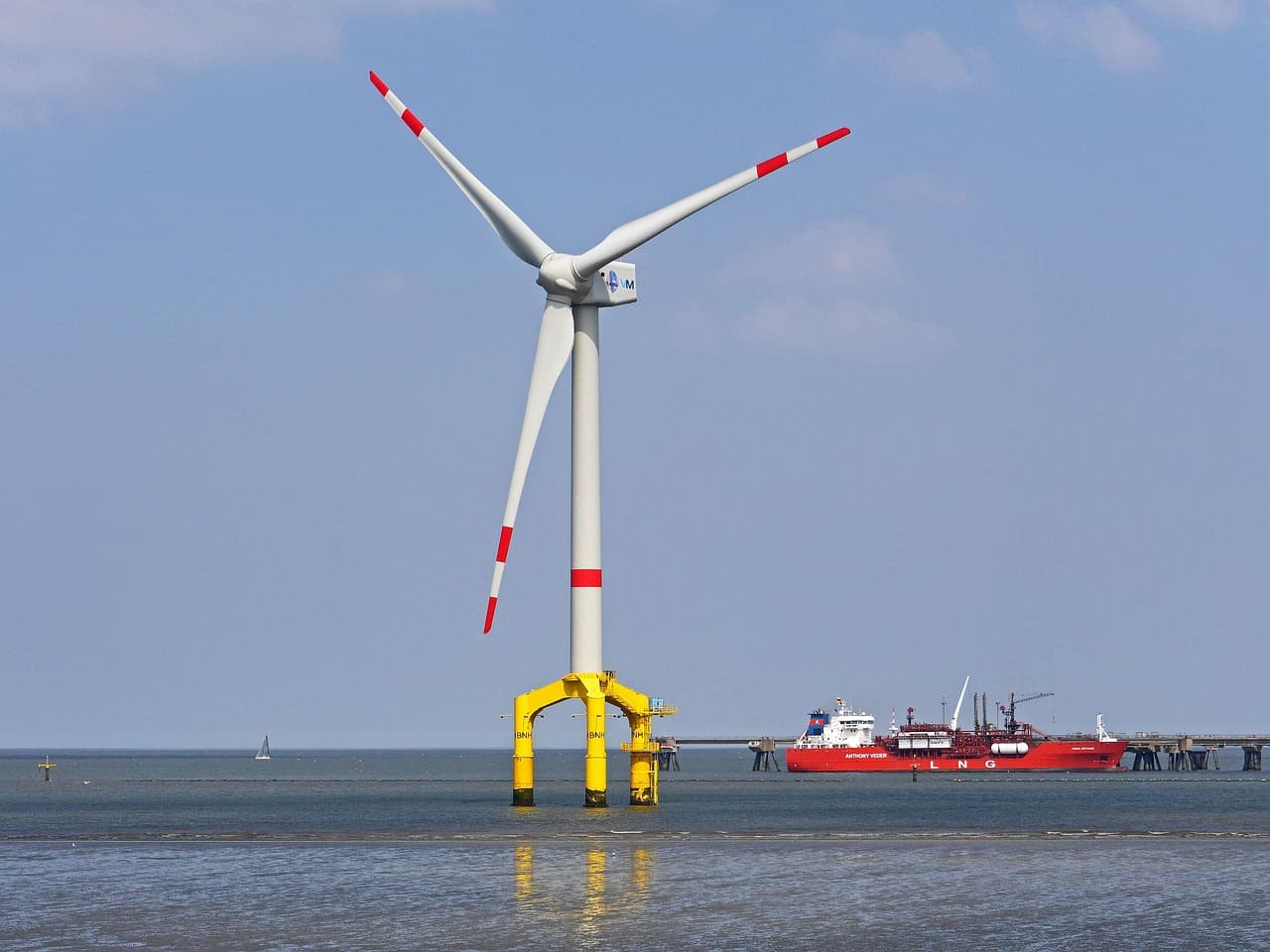
Chancellor John Healey said he will veto new offshore wind projects unless they lower bills, approving only schemes whose power the electricity grid can carry without pushing up consumer costs.
By Haut Monde Post

• November 1, 2026

• 3 Min Read

Healey to veto offshore wind projects that will not lower bills

A veto tied to bills and the grid

The chancellor, John Healey, said he will block new offshore wind projects that will not lower bills. Under the pledge, schemes bidding for subsidy contracts will be approved only where ministers believe the electricity grid can accommodate all their power without pushing up costs for consumers.

Writing in the Times, Healey argued it makes no sense to approve generation that cannot be used.

There's no sense building power that can't connect and then paying to switch it off.

Clean power at the right pace

Healey framed the move as a defence of clean power rather than a step back from it. He called clean power the way to break the grip of international gas prices on household bills, but said the transition has to come at the right pace, in the right places, with the grid to carry it.

He insisted the plan is not a retreat from clean power but the credible route to it, and said cheaper electricity would make it easier for businesses and households to electrify, strengthening energy security and helping decarbonise the wider economy.

That approach, he said, will now shape the government's next renewables auction: only projects that can lower bills while strengthening energy security will be bought.

The cost of wasted wind power

The veto targets a problem that already costs bill-payers. When there is not sufficient cabling capacity, the National Energy System Operator (Neso) - funded through energy bills - pays wind turbines to switch off.

The scale of the issue was set out in a National Audit Office report in September, which warned households and businesses could face:

  • •a potential annual bill of £7.8bn by 2030 to deal with wasted wind power

Budget cuts and the 2030 target

The pledge lands alongside broader energy budget cuts announced by Healey. He revealed more than £3bn of cuts to the energy department's budget in the budget, much of which will pay for higher defence spending, after announcing on Wednesday that the defence investment plan would be funded in part through cuts to other departments.

Among the reductions:

  • •£741m is being taken from the boiler upgrade scheme, which incentivises replacing gas boilers with electric heat pumps
  • •households can currently claim £7,500 towards a heat pump, and around 60,000 are fitted in existing homes each year
  • •ministers want installations reaching 250,000 annually by 2030

The scheme's funding had been due to rise from £400m this year to just over £700m by 2029-30.

Renewables experts warned the cuts made it unlikely Britain would hit its targets on green heating, and the moves were seen as a dismantling of former energy secretary Ed Miliband's green agenda. Allies of Miliband and his successor, Miatta Fahnbulleh, insisted the green agenda remained as strong as ever, pointing to Healey's announcement of a long-term move to shift green costs away from bills and on to taxpayers.

The report noted the veto appears to mark a further shift away from Labour's target of having clean power by 2030. Healey, for his part, argued that without the renewable generation added in recent years, this year's gas price shock would have hit families and firms even harder. He also cautioned that anyone seeking to scrap renewables would leave the country more exposed to volatile markets and to the dictators that exploit them.


HAUT MONDE POST

Independent journalism of the highest standard. A chronicle of world culture, politics, arts, and public thought.

Publication

AboutEditorial

Newsletter

Get the best Haut Monde Post content delivered to your inbox every week.

© 2026 Haut Monde Post. All rights reserved. Digital edition hautmondepost.com.

Sunday, Nov 1, 2026

english

Politics

• Analysis

Healey to veto offshore wind projects that will not lower bills

Chancellor John Healey said he will veto new offshore wind projects unless they lower bills, approving only schemes whose power the electricity grid can carry without pushing up consumer costs.

By Haut Monde Post

Nov 1, 2026 • 3 Min Read
Healey to veto offshore wind projects that will not lower bills

A veto tied to bills and the grid

The chancellor, John Healey, said he will block new offshore wind projects that will not lower bills. Under the pledge, schemes bidding for subsidy contracts will be approved only where ministers believe the electricity grid can accommodate all their power without pushing up costs for consumers.

Writing in the Times, Healey argued it makes no sense to approve generation that cannot be used.

There's no sense building power that can't connect and then paying to switch it off.

Clean power at the right pace

Healey framed the move as a defence of clean power rather than a step back from it. He called clean power the way to break the grip of international gas prices on household bills, but said the transition has to come at the right pace, in the right places, with the grid to carry it.

He insisted the plan is not a retreat from clean power but the credible route to it, and said cheaper electricity would make it easier for businesses and households to electrify, strengthening energy security and helping decarbonise the wider economy.

That approach, he said, will now shape the government's next renewables auction: only projects that can lower bills while strengthening energy security will be bought.

The cost of wasted wind power

The veto targets a problem that already costs bill-payers. When there is not sufficient cabling capacity, the National Energy System Operator (Neso) - funded through energy bills - pays wind turbines to switch off.

The scale of the issue was set out in a National Audit Office report in September, which warned households and businesses could face:

  • •a potential annual bill of £7.8bn by 2030 to deal with wasted wind power

Budget cuts and the 2030 target

The pledge lands alongside broader energy budget cuts announced by Healey. He revealed more than £3bn of cuts to the energy department's budget in the budget, much of which will pay for higher defence spending, after announcing on Wednesday that the defence investment plan would be funded in part through cuts to other departments.

Among the reductions:

  • •£741m is being taken from the boiler upgrade scheme, which incentivises replacing gas boilers with electric heat pumps
  • •households can currently claim £7,500 towards a heat pump, and around 60,000 are fitted in existing homes each year
  • •ministers want installations reaching 250,000 annually by 2030

The scheme's funding had been due to rise from £400m this year to just over £700m by 2029-30.

Renewables experts warned the cuts made it unlikely Britain would hit its targets on green heating, and the moves were seen as a dismantling of former energy secretary Ed Miliband's green agenda. Allies of Miliband and his successor, Miatta Fahnbulleh, insisted the green agenda remained as strong as ever, pointing to Healey's announcement of a long-term move to shift green costs away from bills and on to taxpayers.

The report noted the veto appears to mark a further shift away from Labour's target of having clean power by 2030. Healey, for his part, argued that without the renewable generation added in recent years, this year's gas price shock would have hit families and firms even harder. He also cautioned that anyone seeking to scrap renewables would leave the country more exposed to volatile markets and to the dictators that exploit them.

HAUT MONDE POST

Independent journalism of the highest standard. A chronicle of world culture, politics, arts, and public thought. Published and printed daily in Paris, France.

Publication

AboutEditorial

Newsletter

Get the best Haut Monde Post content delivered to your inbox every week.

© 2026 Haut Monde Post. All rights reserved. Digital edition hautmondepost.com. Published in Paris.

Sunday, Nov 1, 2026

english

Politics

• Analysis

Healey to veto offshore wind projects that will not lower bills

Chancellor John Healey said he will veto new offshore wind projects unless they lower bills, approving only schemes whose power the electricity grid can carry without pushing up consumer costs.

By Haut Monde Post

Healey to veto offshore wind projects that will not lower bills

A veto tied to bills and the grid

The chancellor, John Healey, said he will block new offshore wind projects that will not lower bills. Under the pledge, schemes bidding for subsidy contracts will be approved only where ministers believe the electricity grid can accommodate all their power without pushing up costs for consumers.

Writing in the Times, Healey argued it makes no sense to approve generation that cannot be used.

There's no sense building power that can't connect and then paying to switch it off.

Clean power at the right pace

Healey framed the move as a defence of clean power rather than a step back from it. He called clean power the way to break the grip of international gas prices on household bills, but said the transition has to come at the right pace, in the right places, with the grid to carry it.

He insisted the plan is not a retreat from clean power but the credible route to it, and said cheaper electricity would make it easier for businesses and households to electrify, strengthening energy security and helping decarbonise the wider economy.

That approach, he said, will now shape the government's next renewables auction: only projects that can lower bills while strengthening energy security will be bought.

The cost of wasted wind power

The veto targets a problem that already costs bill-payers. When there is not sufficient cabling capacity, the National Energy System Operator (Neso) - funded through energy bills - pays wind turbines to switch off.

The scale of the issue was set out in a National Audit Office report in September, which warned households and businesses could face:

  • •a potential annual bill of £7.8bn by 2030 to deal with wasted wind power

Budget cuts and the 2030 target

The pledge lands alongside broader energy budget cuts announced by Healey. He revealed more than £3bn of cuts to the energy department's budget in the budget, much of which will pay for higher defence spending, after announcing on Wednesday that the defence investment plan would be funded in part through cuts to other departments.

Among the reductions:

  • •£741m is being taken from the boiler upgrade scheme, which incentivises replacing gas boilers with electric heat pumps
  • •households can currently claim £7,500 towards a heat pump, and around 60,000 are fitted in existing homes each year
  • •ministers want installations reaching 250,000 annually by 2030

The scheme's funding had been due to rise from £400m this year to just over £700m by 2029-30.

Renewables experts warned the cuts made it unlikely Britain would hit its targets on green heating, and the moves were seen as a dismantling of former energy secretary Ed Miliband's green agenda. Allies of Miliband and his successor, Miatta Fahnbulleh, insisted the green agenda remained as strong as ever, pointing to Healey's announcement of a long-term move to shift green costs away from bills and on to taxpayers.

The report noted the veto appears to mark a further shift away from Labour's target of having clean power by 2030. Healey, for his part, argued that without the renewable generation added in recent years, this year's gas price shock would have hit families and firms even harder. He also cautioned that anyone seeking to scrap renewables would leave the country more exposed to volatile markets and to the dictators that exploit them.