Thursday, November 12, 2026

english

HAUT MONDE

POST

Politics

• Analysis

NSW Lobbying Reform Bill Falls Short of Icac's Recommendations After Operation Rosny

The NSW Labor government's bill tightening rules for third-party lobbyists passed the lower house on Wednesday, but critics say the NSW lobbying reform falls well short of what Icac recommended five years ago after Operation Rosny exposed alleged 'guns for hire' around state parliament.
By Haut Monde Post

• November 12, 2026

• 4 Min Read

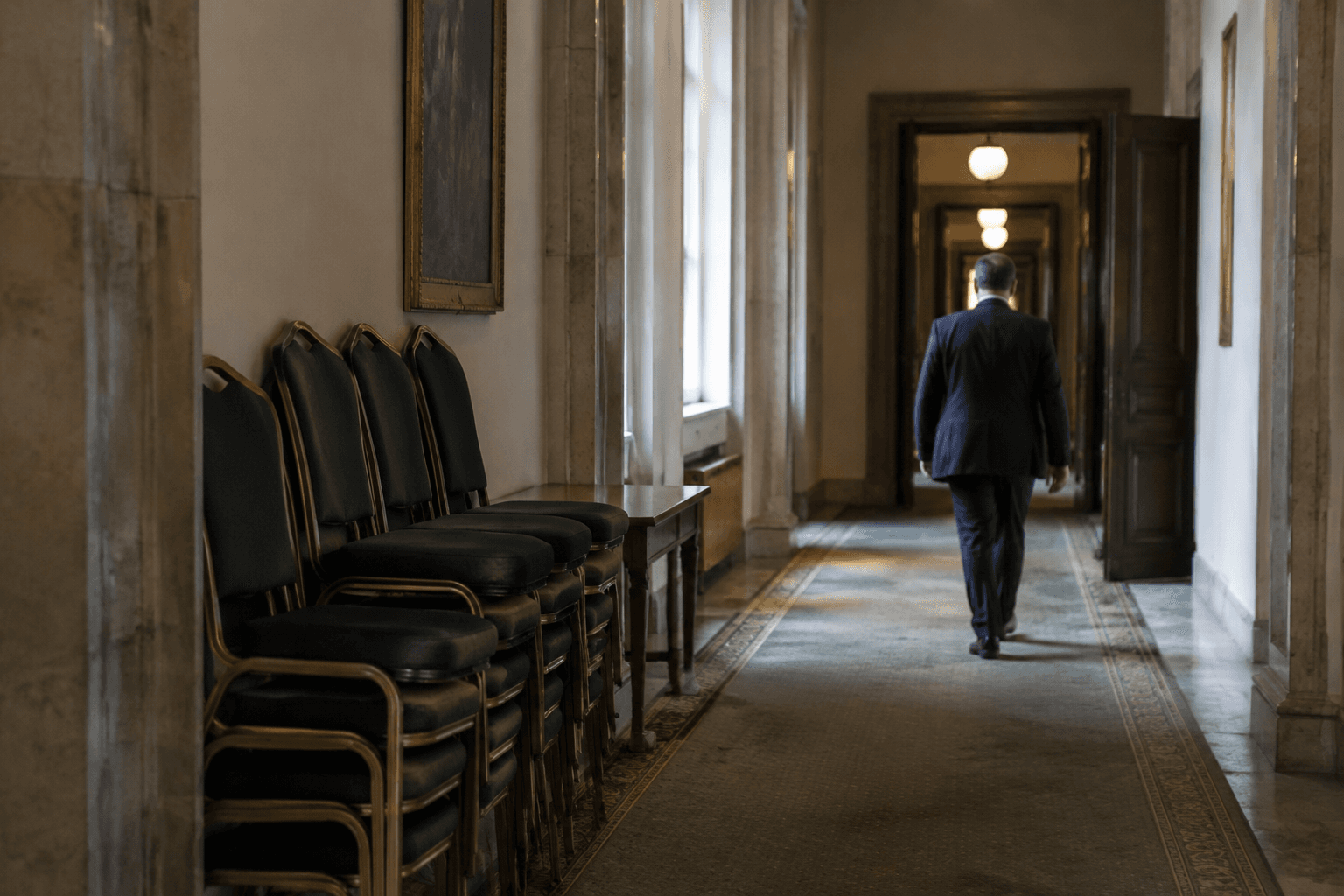
A quiet corridor outside a parliamentary committee room with stacked chairs and a figure seen from behind walking away.

What Operation Rosny exposed

Icac's Operation Rosny examined a group of rightwing former Liberal staffers, known as the Reformers, who moved easily through the corridors of NSW parliament. The corruption watchdog has alleged the operatives, including Charles Perrottet, brother of then treasurer Dominic Perrottet, were paid $2m by developer Jean Nassif and worked to progress his interests.

  • •Only one of the operatives examined in the inquiry was a registered lobbyist subject to disclosure rules.
  • •Operation Rosny heard allegations that the operatives provided material smearing the building commissioner to a chief of staff, who passed it to the responsible minister's chief of staff; the Liberal figures denied acting for Nassif.
  • •Icac heard evidence that Charles Perrottet spoke to ministers directly about the building commissioner despite not being a registered lobbyist, and that neither chiefs of staff nor ministers knew he was paid by Nassif via a lobbying firm.
  • •The inquiry also examined efforts to convince the Liberal party to unseat Hills district councillors blocking a developer, and a dirt file on a state minister peddled to journalists.

Nassif told Icac he was 'not corrupt'; he has fled to Lebanon after his company Toplace collapsed, leaving hundreds of buyers with substandard buildings. Charles Perrottet has repeatedly denied taking payments from Nassif for political outcomes, and Dominic Perrottet is not a person of interest in the inquiry and is not accused of any wrongdoing.

What the government's bill does

The NSW Labor government introduced a bill to clarify obligations for third-party lobbyists. It passed the lower house on Wednesday, though it may not become law before the election.

The bill would establish the NSW Electoral Commission as regulator of third-party lobbyists and bolster its investigative powers to audit compliance with the Lobbying of Government Officials Act and its code of conduct.

Special minister of state John Graham said the commission would be able to require accounts, documents, information and explanations from lobbyists. The bill also extends the act to third-party lobbyists interacting with councils, a gap Icac had identified as needing fixing, and clarifies that lobbyists must disclose attendance at fundraising events involving exclusive or private access to a minister.

The government separately plans to enhance ministerial diary disclosures, to make them fully searchable rather than quarterly PDFs. Icac had recommended a separate lobbying commissioner, but Chris Minns proposed the electoral commission take the job since it already runs the register.

"We're regulating ministers and senior public servants because they're decision makers. Ministerial staff are not decision makers," Graham said.

The gaps the bill leaves open

The disclosure regime does not cover in-house company lobbyists such as government relations or corporate affairs staff, who make up about 80% of the people lobbying around the corridors of power, most of them former political staff. Graham said registering in-house lobbyists would have created unnecessary red tape, given it is already clear whose interests are being served, and pointed to ministerial diary disclosures as providing transparency.

  • •The bill does not cover lobbyists' interactions with key ministerial staff such as chiefs of staff, the very channel at the centre of the Rosny allegations.
  • •The government watered down Icac's proposal for the revolving door: the watchdog wanted a six-month 'gardening leave' prohibition for sensitive public service roles moving into lobbying jobs.

The push for stronger rules

The Greens have introduced a private member's bill that would implement most of Icac's recommendations from five years ago, including extending the scheme to in-house lobbyists. Greens anti-corruption spokesperson Kobi Shetty said her bill would also have included a four-year exclusion for some public sector employees.

Shetty argued that when industries with deep pockets get a louder voice than the communities affected by their decisions, public trust in democracy suffers.

Centre for Public Integrity senior counsel Geoffrey Watson says the government's bill is a step in the right direction and hopes it passes the Legislative Council, but wishes the government had been more ambitious. The bill passed the lower house on Wednesday, though it may not become law before the election.

HAUT MONDE POST

Independent journalism of the highest standard. A chronicle of world culture, politics, arts, and public thought.

Publication

AboutEditorial

Newsletter

Get the best Haut Monde Post content delivered to your inbox every week.

© 2026 Haut Monde Post. All rights reserved. Digital edition hautmondepost.com.

Thursday, Nov 12, 2026

english

Politics

• Analysis

NSW Lobbying Reform Bill Falls Short of Icac's Recommendations After Operation Rosny

The NSW Labor government's bill tightening rules for third-party lobbyists passed the lower house on Wednesday, but critics say the NSW lobbying reform falls well short of what Icac recommended five years ago after Operation Rosny exposed alleged 'guns for hire' around state parliament.

By Haut Monde Post

Nov 12, 2026 • 4 Min Read
A quiet corridor outside a parliamentary committee room with stacked chairs and a figure seen from behind walking away.

What Operation Rosny exposed

Icac's Operation Rosny examined a group of rightwing former Liberal staffers, known as the Reformers, who moved easily through the corridors of NSW parliament. The corruption watchdog has alleged the operatives, including Charles Perrottet, brother of then treasurer Dominic Perrottet, were paid $2m by developer Jean Nassif and worked to progress his interests.

  • •Only one of the operatives examined in the inquiry was a registered lobbyist subject to disclosure rules.
  • •Operation Rosny heard allegations that the operatives provided material smearing the building commissioner to a chief of staff, who passed it to the responsible minister's chief of staff; the Liberal figures denied acting for Nassif.
  • •Icac heard evidence that Charles Perrottet spoke to ministers directly about the building commissioner despite not being a registered lobbyist, and that neither chiefs of staff nor ministers knew he was paid by Nassif via a lobbying firm.
  • •The inquiry also examined efforts to convince the Liberal party to unseat Hills district councillors blocking a developer, and a dirt file on a state minister peddled to journalists.

Nassif told Icac he was 'not corrupt'; he has fled to Lebanon after his company Toplace collapsed, leaving hundreds of buyers with substandard buildings. Charles Perrottet has repeatedly denied taking payments from Nassif for political outcomes, and Dominic Perrottet is not a person of interest in the inquiry and is not accused of any wrongdoing.

What the government's bill does

The NSW Labor government introduced a bill to clarify obligations for third-party lobbyists. It passed the lower house on Wednesday, though it may not become law before the election.

The bill would establish the NSW Electoral Commission as regulator of third-party lobbyists and bolster its investigative powers to audit compliance with the Lobbying of Government Officials Act and its code of conduct.

Special minister of state John Graham said the commission would be able to require accounts, documents, information and explanations from lobbyists. The bill also extends the act to third-party lobbyists interacting with councils, a gap Icac had identified as needing fixing, and clarifies that lobbyists must disclose attendance at fundraising events involving exclusive or private access to a minister.

The government separately plans to enhance ministerial diary disclosures, to make them fully searchable rather than quarterly PDFs. Icac had recommended a separate lobbying commissioner, but Chris Minns proposed the electoral commission take the job since it already runs the register.

"We're regulating ministers and senior public servants because they're decision makers. Ministerial staff are not decision makers," Graham said.

The gaps the bill leaves open

The disclosure regime does not cover in-house company lobbyists such as government relations or corporate affairs staff, who make up about 80% of the people lobbying around the corridors of power, most of them former political staff. Graham said registering in-house lobbyists would have created unnecessary red tape, given it is already clear whose interests are being served, and pointed to ministerial diary disclosures as providing transparency.

  • •The bill does not cover lobbyists' interactions with key ministerial staff such as chiefs of staff, the very channel at the centre of the Rosny allegations.
  • •The government watered down Icac's proposal for the revolving door: the watchdog wanted a six-month 'gardening leave' prohibition for sensitive public service roles moving into lobbying jobs.

The push for stronger rules

The Greens have introduced a private member's bill that would implement most of Icac's recommendations from five years ago, including extending the scheme to in-house lobbyists. Greens anti-corruption spokesperson Kobi Shetty said her bill would also have included a four-year exclusion for some public sector employees.

Shetty argued that when industries with deep pockets get a louder voice than the communities affected by their decisions, public trust in democracy suffers.

Centre for Public Integrity senior counsel Geoffrey Watson says the government's bill is a step in the right direction and hopes it passes the Legislative Council, but wishes the government had been more ambitious. The bill passed the lower house on Wednesday, though it may not become law before the election.

HAUT MONDE POST

Independent journalism of the highest standard. A chronicle of world culture, politics, arts, and public thought. Published and printed daily in Paris, France.

Publication

AboutEditorial

Newsletter

Get the best Haut Monde Post content delivered to your inbox every week.

© 2026 Haut Monde Post. All rights reserved. Digital edition hautmondepost.com. Published in Paris.

Thursday, Nov 12, 2026

english

Politics

• Analysis

NSW Lobbying Reform Bill Falls Short of Icac's Recommendations After Operation Rosny

The NSW Labor government's bill tightening rules for third-party lobbyists passed the lower house on Wednesday, but critics say the NSW lobbying reform falls well short of what Icac recommended five years ago after Operation Rosny exposed alleged 'guns for hire' around state parliament.

By Haut Monde Post

A quiet corridor outside a parliamentary committee room with stacked chairs and a figure seen from behind walking away.

What Operation Rosny exposed

Icac's Operation Rosny examined a group of rightwing former Liberal staffers, known as the Reformers, who moved easily through the corridors of NSW parliament. The corruption watchdog has alleged the operatives, including Charles Perrottet, brother of then treasurer Dominic Perrottet, were paid $2m by developer Jean Nassif and worked to progress his interests.

  • •Only one of the operatives examined in the inquiry was a registered lobbyist subject to disclosure rules.
  • •Operation Rosny heard allegations that the operatives provided material smearing the building commissioner to a chief of staff, who passed it to the responsible minister's chief of staff; the Liberal figures denied acting for Nassif.
  • •Icac heard evidence that Charles Perrottet spoke to ministers directly about the building commissioner despite not being a registered lobbyist, and that neither chiefs of staff nor ministers knew he was paid by Nassif via a lobbying firm.
  • •The inquiry also examined efforts to convince the Liberal party to unseat Hills district councillors blocking a developer, and a dirt file on a state minister peddled to journalists.

Nassif told Icac he was 'not corrupt'; he has fled to Lebanon after his company Toplace collapsed, leaving hundreds of buyers with substandard buildings. Charles Perrottet has repeatedly denied taking payments from Nassif for political outcomes, and Dominic Perrottet is not a person of interest in the inquiry and is not accused of any wrongdoing.

What the government's bill does

The NSW Labor government introduced a bill to clarify obligations for third-party lobbyists. It passed the lower house on Wednesday, though it may not become law before the election.
The bill would establish the NSW Electoral Commission as regulator of third-party lobbyists and bolster its investigative powers to audit compliance with the Lobbying of Government Officials Act and its code of conduct.

Special minister of state John Graham said the commission would be able to require accounts, documents, information and explanations from lobbyists. The bill also extends the act to third-party lobbyists interacting with councils, a gap Icac had identified as needing fixing, and clarifies that lobbyists must disclose attendance at fundraising events involving exclusive or private access to a minister.

The government separately plans to enhance ministerial diary disclosures, to make them fully searchable rather than quarterly PDFs. Icac had recommended a separate lobbying commissioner, but Chris Minns proposed the electoral commission take the job since it already runs the register.

"We're regulating ministers and senior public servants because they're decision makers. Ministerial staff are not decision makers," Graham said.

The gaps the bill leaves open

The disclosure regime does not cover in-house company lobbyists such as government relations or corporate affairs staff, who make up about 80% of the people lobbying around the corridors of power, most of them former political staff. Graham said registering in-house lobbyists would have created unnecessary red tape, given it is already clear whose interests are being served, and pointed to ministerial diary disclosures as providing transparency.

  • •The bill does not cover lobbyists' interactions with key ministerial staff such as chiefs of staff, the very channel at the centre of the Rosny allegations.
  • •The government watered down Icac's proposal for the revolving door: the watchdog wanted a six-month 'gardening leave' prohibition for sensitive public service roles moving into lobbying jobs.

The push for stronger rules

The Greens have introduced a private member's bill that would implement most of Icac's recommendations from five years ago, including extending the scheme to in-house lobbyists. Greens anti-corruption spokesperson Kobi Shetty said her bill would also have included a four-year exclusion for some public sector employees.

Shetty argued that when industries with deep pockets get a louder voice than the communities affected by their decisions, public trust in democracy suffers.

Centre for Public Integrity senior counsel Geoffrey Watson says the government's bill is a step in the right direction and hopes it passes the Legislative Council, but wishes the government had been more ambitious. The bill passed the lower house on Wednesday, though it may not become law before the election.