Friday, November 20, 2026

english

HAUT MONDE

POST

Politics

• Analysis

EPA chemical-detection plane flew only seven missions since early 2021

The EPA's chemical-detection plane, Aspect, has responded to just seven emergencies since early 2021, missing incidents including an ammonia leak that injured 74 people in Weatherford, Oklahoma, last November, and sits idle while its chemical sensors await replacement.
By Haut Monde Post

• November 16, 2026

• 5 Min Read

EPA chemical-detection plane flew only seven missions since early 2021

Emergencies the plane did not answer

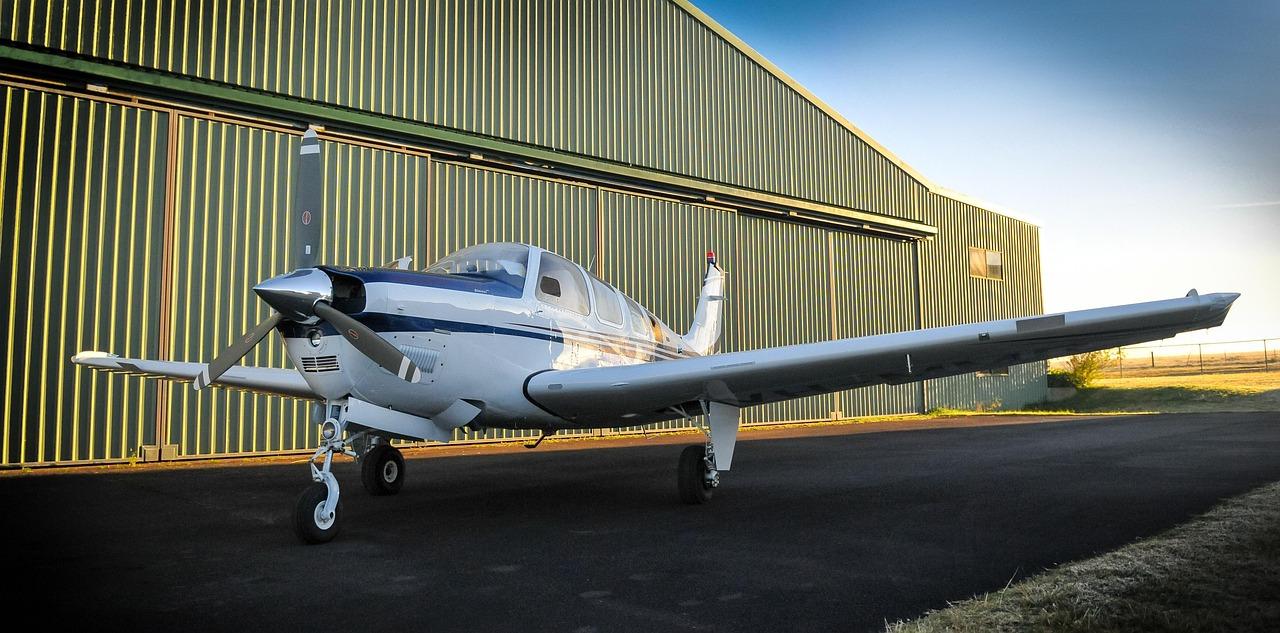
The EPA's chemical-detection plane has been largely absent from America's worst industrial disasters. According to reporting by the non-profit newsroom Floodlight, the Aspect plane - a single-engine Cessna built for emergencies involving toxic chemicals, oil spills and radiation, which once flew over Hurricane Katrina and the Deepwater Horizon spill - has responded to just seven emergencies since early 2021. Over the previous 25 years it had flown more than 80 emergency missions, an average of more than three a year.

Among the incidents where the plane stayed grounded:

  • •An ammonia leak outside a hotel in Weatherford, Oklahoma, last November that injured 74 people.
  • •A March fire at a Valero refinery in Port Arthur, Texas.
  • •Blasts at a Toledo, Ohio, recycling plant in August that killed two workers.
  • •An October leak of glycidyl methacrylate, a likely carcinogen, from an industrial tank in Toledo, which led to hundreds being evacuated and more than 50 people hospitalized.

The October leak was one of at least 80 chemical emergencies this year that the plane did not respond to.

How expertise was lost

Mark Thomas, who managed the program for 18 years, said the plane would have been deployed to all of those incidents ten years earlier. The decline traces back, former staff say, to a 2019 EPA reorganization that required Aspect staff to relocate to Texas or face termination. Thomas retired rather than uproot his family, other key staff left, and one accepted a demotion to stay in Kansas.

Former colleagues said the EPA failed to replace departing staff with scientists experienced in airborne chemical detection. Managers once urged coordinators to deploy the plane; after they left, the EPA waited for requests.

East Palestine and Smitty's Supply

Former Aspect scientists say two of the seven missions the plane did fly were badly mismanaged. After a Norfolk Southern train carrying vinyl chloride derailed in East Palestine on February 3, 2023, responders vented and burned five railcars, sending a toxic plume over the town.

Aspect was not requested for more than two days and missed the vent-and-burn; Kroutil said its February 7 flight collected just eight minutes of chemical data. The National Transportation Safety Board later said the vent-and-burn was unnecessary, and an EPA inspector general investigation found poor documentation and failures to inform responders of the plane's capabilities.

At Smitty's Supply in Roseland, Louisiana, an explosion on August 22, 2025 started a fire that burned two weeks and prompted a one-mile evacuation; Aspect's deployment was its first in 19 months. Nine days after the explosion the EPA publicly posted findings of ozone and three other air pollutants at levels far below those expected to cause health effects.

Kroutil said hand analysis of the flight data took four weeks, and he identified high concentrations of toluene and the carcinogens trichloroethylene and naphthalene, concluding toluene levels could have put nearby communities at risk. Ronnie Polezcek, whose farm sits three miles from the plant, described oil raining on his property; a veterinarian found arsenic in one cow after two miscarried. More than a year later he said residue still coats his property and his grandchildren return from outside with little black feet.

"I fear that the public is at risk."

Longtime Aspect scientist Robert Kroutil said this in an interview with Floodlight, adding that the EPA has allowed an important program to waste away to nothing. The EPA did not respond to Floodlight's questions about the program's decline, emergency responses or replacement sensors.

Weeks of hand analysis and new sensors

In June the EPA inspector general found the plane could no longer identify chemicals within minutes; data must now be analyzed by hand, a process that takes about a week. The agency says the plane's chemical sensors are wearing out and expects replacements working by mid-2027. It bypassed competitive bidding to award the Canadian company Telops a $1.7m contract, with integration expected early to mid-2027; until then the plane will likely remain unavailable.

Three people formerly involved with Aspect said the new sensors will be less capable at detecting hazardous chemicals during industrial emergencies. They argue the old sensors still work, and that expertise and initiative were lost instead. Exosens, Telops's parent company, said the systems use fundamentally different technologies, can identify hundreds of chemicals with additional analysis, and use imaging to distinguish plumes from surrounding objects.

Independent spectrometer expert Chris Manning said the new sensors could complement the old ones but would be a poor replacement, being slower, less sensitive and less suited to moving targets.

In an affidavit to the Government Accountability Project, Kroutil said that unless major changes are made at EPA and with the Aspect program, it will not get better and the agency will be flying blind. The inspector general is auditing the agency's response to the East Palestine derailment, including the data behind its air-quality assurances.


HAUT MONDE POST

Independent journalism of the highest standard. A chronicle of world culture, politics, arts, and public thought.

Publication

AboutEditorial

Newsletter

Get the best Haut Monde Post content delivered to your inbox every week.

© 2026 Haut Monde Post. All rights reserved. Digital edition hautmondepost.com.

Friday, Nov 20, 2026

english

Politics

• Analysis

EPA chemical-detection plane flew only seven missions since early 2021

The EPA's chemical-detection plane, Aspect, has responded to just seven emergencies since early 2021, missing incidents including an ammonia leak that injured 74 people in Weatherford, Oklahoma, last November, and sits idle while its chemical sensors await replacement.

By Haut Monde Post

Nov 16, 2026 • 5 Min Read
EPA chemical-detection plane flew only seven missions since early 2021

Emergencies the plane did not answer

The EPA's chemical-detection plane has been largely absent from America's worst industrial disasters. According to reporting by the non-profit newsroom Floodlight, the Aspect plane - a single-engine Cessna built for emergencies involving toxic chemicals, oil spills and radiation, which once flew over Hurricane Katrina and the Deepwater Horizon spill - has responded to just seven emergencies since early 2021. Over the previous 25 years it had flown more than 80 emergency missions, an average of more than three a year.

Among the incidents where the plane stayed grounded:

  • •An ammonia leak outside a hotel in Weatherford, Oklahoma, last November that injured 74 people.
  • •A March fire at a Valero refinery in Port Arthur, Texas.
  • •Blasts at a Toledo, Ohio, recycling plant in August that killed two workers.
  • •An October leak of glycidyl methacrylate, a likely carcinogen, from an industrial tank in Toledo, which led to hundreds being evacuated and more than 50 people hospitalized.

The October leak was one of at least 80 chemical emergencies this year that the plane did not respond to.

How expertise was lost

Mark Thomas, who managed the program for 18 years, said the plane would have been deployed to all of those incidents ten years earlier. The decline traces back, former staff say, to a 2019 EPA reorganization that required Aspect staff to relocate to Texas or face termination. Thomas retired rather than uproot his family, other key staff left, and one accepted a demotion to stay in Kansas.

Former colleagues said the EPA failed to replace departing staff with scientists experienced in airborne chemical detection. Managers once urged coordinators to deploy the plane; after they left, the EPA waited for requests.

East Palestine and Smitty's Supply

Former Aspect scientists say two of the seven missions the plane did fly were badly mismanaged. After a Norfolk Southern train carrying vinyl chloride derailed in East Palestine on February 3, 2023, responders vented and burned five railcars, sending a toxic plume over the town.

Aspect was not requested for more than two days and missed the vent-and-burn; Kroutil said its February 7 flight collected just eight minutes of chemical data. The National Transportation Safety Board later said the vent-and-burn was unnecessary, and an EPA inspector general investigation found poor documentation and failures to inform responders of the plane's capabilities.

At Smitty's Supply in Roseland, Louisiana, an explosion on August 22, 2025 started a fire that burned two weeks and prompted a one-mile evacuation; Aspect's deployment was its first in 19 months. Nine days after the explosion the EPA publicly posted findings of ozone and three other air pollutants at levels far below those expected to cause health effects.

Kroutil said hand analysis of the flight data took four weeks, and he identified high concentrations of toluene and the carcinogens trichloroethylene and naphthalene, concluding toluene levels could have put nearby communities at risk. Ronnie Polezcek, whose farm sits three miles from the plant, described oil raining on his property; a veterinarian found arsenic in one cow after two miscarried. More than a year later he said residue still coats his property and his grandchildren return from outside with little black feet.

"I fear that the public is at risk."

Longtime Aspect scientist Robert Kroutil said this in an interview with Floodlight, adding that the EPA has allowed an important program to waste away to nothing. The EPA did not respond to Floodlight's questions about the program's decline, emergency responses or replacement sensors.

Weeks of hand analysis and new sensors

In June the EPA inspector general found the plane could no longer identify chemicals within minutes; data must now be analyzed by hand, a process that takes about a week. The agency says the plane's chemical sensors are wearing out and expects replacements working by mid-2027. It bypassed competitive bidding to award the Canadian company Telops a $1.7m contract, with integration expected early to mid-2027; until then the plane will likely remain unavailable.

Three people formerly involved with Aspect said the new sensors will be less capable at detecting hazardous chemicals during industrial emergencies. They argue the old sensors still work, and that expertise and initiative were lost instead. Exosens, Telops's parent company, said the systems use fundamentally different technologies, can identify hundreds of chemicals with additional analysis, and use imaging to distinguish plumes from surrounding objects.

Independent spectrometer expert Chris Manning said the new sensors could complement the old ones but would be a poor replacement, being slower, less sensitive and less suited to moving targets.

In an affidavit to the Government Accountability Project, Kroutil said that unless major changes are made at EPA and with the Aspect program, it will not get better and the agency will be flying blind. The inspector general is auditing the agency's response to the East Palestine derailment, including the data behind its air-quality assurances.

HAUT MONDE POST

Independent journalism of the highest standard. A chronicle of world culture, politics, arts, and public thought. Published and printed daily in Paris, France.

Publication

AboutEditorial

Newsletter

Get the best Haut Monde Post content delivered to your inbox every week.

© 2026 Haut Monde Post. All rights reserved. Digital edition hautmondepost.com. Published in Paris.

Friday, Nov 20, 2026

english

Politics

• Analysis

EPA chemical-detection plane flew only seven missions since early 2021

The EPA's chemical-detection plane, Aspect, has responded to just seven emergencies since early 2021, missing incidents including an ammonia leak that injured 74 people in Weatherford, Oklahoma, last November, and sits idle while its chemical sensors await replacement.

By Haut Monde Post

EPA chemical-detection plane flew only seven missions since early 2021

Emergencies the plane did not answer

The EPA's chemical-detection plane has been largely absent from America's worst industrial disasters. According to reporting by the non-profit newsroom Floodlight, the Aspect plane - a single-engine Cessna built for emergencies involving toxic chemicals, oil spills and radiation, which once flew over Hurricane Katrina and the Deepwater Horizon spill - has responded to just seven emergencies since early 2021. Over the previous 25 years it had flown more than 80 emergency missions, an average of more than three a year.

Among the incidents where the plane stayed grounded:

  • •An ammonia leak outside a hotel in Weatherford, Oklahoma, last November that injured 74 people.
  • •A March fire at a Valero refinery in Port Arthur, Texas.
  • •Blasts at a Toledo, Ohio, recycling plant in August that killed two workers.
  • •An October leak of glycidyl methacrylate, a likely carcinogen, from an industrial tank in Toledo, which led to hundreds being evacuated and more than 50 people hospitalized.

The October leak was one of at least 80 chemical emergencies this year that the plane did not respond to.

How expertise was lost

Mark Thomas, who managed the program for 18 years, said the plane would have been deployed to all of those incidents ten years earlier. The decline traces back, former staff say, to a 2019 EPA reorganization that required Aspect staff to relocate to Texas or face termination. Thomas retired rather than uproot his family, other key staff left, and one accepted a demotion to stay in Kansas.

Former colleagues said the EPA failed to replace departing staff with scientists experienced in airborne chemical detection. Managers once urged coordinators to deploy the plane; after they left, the EPA waited for requests.

East Palestine and Smitty's Supply

Former Aspect scientists say two of the seven missions the plane did fly were badly mismanaged. After a Norfolk Southern train carrying vinyl chloride derailed in East Palestine on February 3, 2023, responders vented and burned five railcars, sending a toxic plume over the town.

Aspect was not requested for more than two days and missed the vent-and-burn; Kroutil said its February 7 flight collected just eight minutes of chemical data. The National Transportation Safety Board later said the vent-and-burn was unnecessary, and an EPA inspector general investigation found poor documentation and failures to inform responders of the plane's capabilities.

At Smitty's Supply in Roseland, Louisiana, an explosion on August 22, 2025 started a fire that burned two weeks and prompted a one-mile evacuation; Aspect's deployment was its first in 19 months. Nine days after the explosion the EPA publicly posted findings of ozone and three other air pollutants at levels far below those expected to cause health effects.

Kroutil said hand analysis of the flight data took four weeks, and he identified high concentrations of toluene and the carcinogens trichloroethylene and naphthalene, concluding toluene levels could have put nearby communities at risk. Ronnie Polezcek, whose farm sits three miles from the plant, described oil raining on his property; a veterinarian found arsenic in one cow after two miscarried. More than a year later he said residue still coats his property and his grandchildren return from outside with little black feet.

"I fear that the public is at risk."

Longtime Aspect scientist Robert Kroutil said this in an interview with Floodlight, adding that the EPA has allowed an important program to waste away to nothing. The EPA did not respond to Floodlight's questions about the program's decline, emergency responses or replacement sensors.

Weeks of hand analysis and new sensors

In June the EPA inspector general found the plane could no longer identify chemicals within minutes; data must now be analyzed by hand, a process that takes about a week. The agency says the plane's chemical sensors are wearing out and expects replacements working by mid-2027. It bypassed competitive bidding to award the Canadian company Telops a $1.7m contract, with integration expected early to mid-2027; until then the plane will likely remain unavailable.

Three people formerly involved with Aspect said the new sensors will be less capable at detecting hazardous chemicals during industrial emergencies. They argue the old sensors still work, and that expertise and initiative were lost instead. Exosens, Telops's parent company, said the systems use fundamentally different technologies, can identify hundreds of chemicals with additional analysis, and use imaging to distinguish plumes from surrounding objects.

Independent spectrometer expert Chris Manning said the new sensors could complement the old ones but would be a poor replacement, being slower, less sensitive and less suited to moving targets.

In an affidavit to the Government Accountability Project, Kroutil said that unless major changes are made at EPA and with the Aspect program, it will not get better and the agency will be flying blind. The inspector general is auditing the agency's response to the East Palestine derailment, including the data behind its air-quality assurances.