• Analysis
Foraging for Wild Food Draws Young Europeans Back to Nature
Young people across Europe are increasingly seeking out edible wild plants and sharing their foraging for wild food on social media, a trend a UN Food and Agriculture Organisation paper says is gaining momentum.
A biologist who moved to the mountains
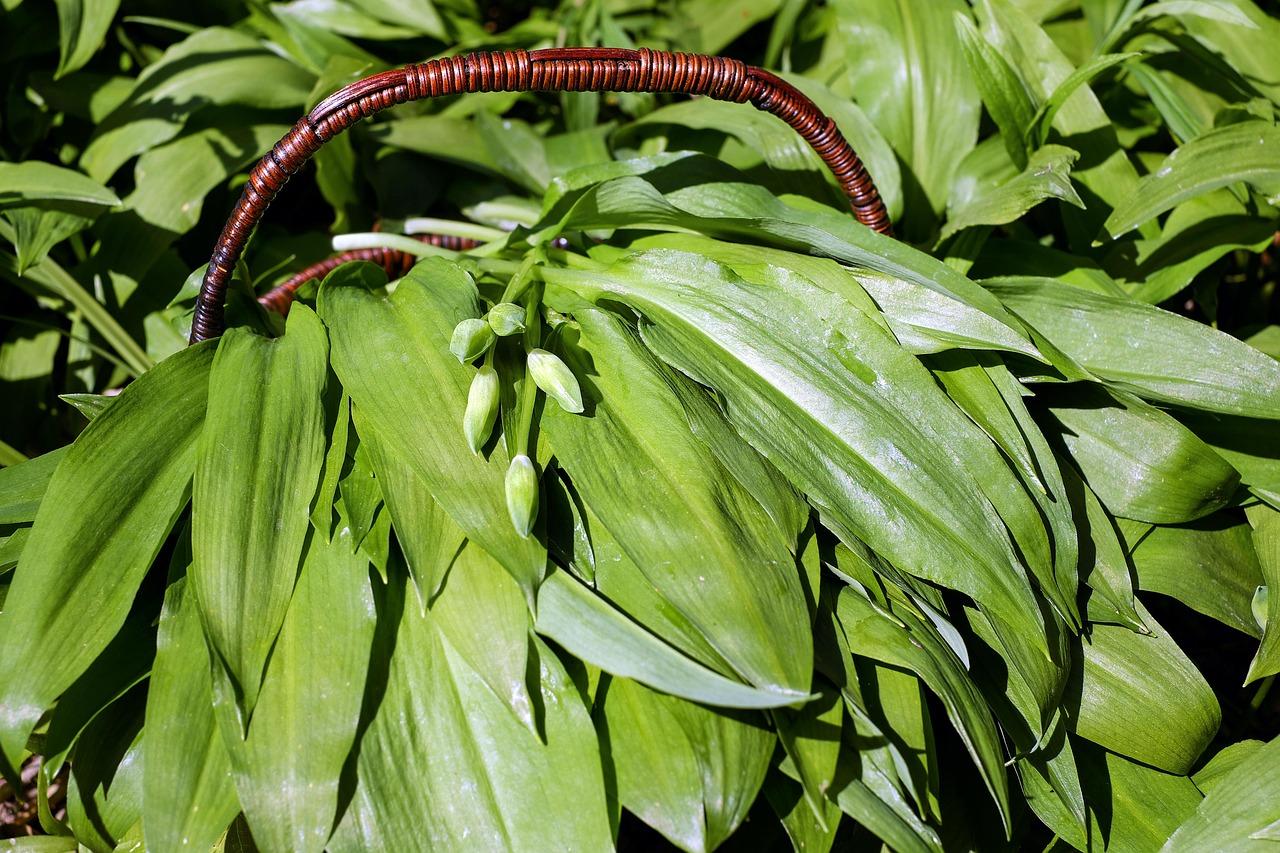
Beatrice Bisaglia, a 30-year-old biologist, moved roughly two years ago to Edolo, a village at the foot of the Italian Alps, to pursue her dream of foraging full-time. She now earns part of her income teaching courses where participants learn to recognise edible wild plants, and by producing foraging content on social media. Her Instagram account offers tips on the best way to recognise and use ingredients like raspberry leaves, rosehips, wild fennel seeds, or nettle.
Bisaglia said she will never go back to city life, and that she simply wants to spend her life outside in the sun, collecting wild plants.
Her self-sufficiency goes further than the plants she picks: she and her partner grow most of their food following permaculture principles, and she says they have not really gone to the supermarket in a year, though they still shop in small markets because they cannot produce everything. She also keeps two geese, named Malva and Altea.
Why young people are foraging
A paper by the UN's Food and Agriculture Organisation says the trend of foraging for wild plants is gaining momentum across Europe, and the reach is easy to measure: typing #foraging on Instagram brings up hundreds of videos, some of them amassing millions of views.
According to the reporting behind the study, the motivations are varied:
- •Environmental and health concerns, and a need to reconnect with nature, top the list.
- •Some foragers want to avoid ultraprocessed foods.
- •Others are driven by an interest in self-reliance and survivalism.
Wateki Taliana Tobert, a forager and researcher who contributed to the FAO study, sees foraging as an answer to the anxieties of our modern, often urban way of living. Tobert, who also leads foraging walks, has seen the full range of interest firsthand: "At my courses, I've had one person arrive by helicopter and another riding a donkey".
Tobert believes the more people from all backgrounds get into it and get to know plants, the more it will become a part of them. On the ground, foragers across Europe track native and invasive species, campaign to care for and protect natural spaces, and teach others to do the same.
Rules of the wild
The boom has limits. Depending on where you are based in Europe, foraging can be tightly regulated, and land to forage on can be difficult to access because most land is privately owned. In Italy, some regions require a permit to go out and pick mushrooms; in England, you are not allowed to uproot any plant, which makes tubers and roots off-limits. Elsewhere the door is open: places like Scotland and Norway have "freedom to roam" policies that include permission to forage for personal consumption.
Sophie Treinen, another co-author of the FAO study, said the most important thing is to have a good education in foraging and its good practice, because that is going to regulate how people pick. That practice, she said, includes:
- •Not picking more than you need
- •Always leaving some of the plant or berries you are picking behind
- •Only picking when you are 100 percent certain of your identification
- •Knowing the local endangered species
From scarcity to Michelin tables
Attitudes to foraging have shifted markedly in recent decades. It went from being an uncommon practice, often associated with poverty and scarcity, to conquering the tables of Michelin-star restaurants specialised in gastrobotany. For Bisaglia, the change is also geographic. Born in a small city in the Po Valley, she said that when she was collecting herbs in Treviglio, everyone thought she was crazy, but in the mountains people are still foraging, so now it is more common.
Some who live by foraging are candid about its limits. Megan Howlett has built her life around it, teaching courses and sharing foraging content on social media to 160,000 followers. Yet she said that if you have got a full family, or a full-time job, it is just not feasible to be picking and harvesting and cooking everything you find.
Howlett said our world today is not built for a society to be foragers, and Bisaglia agreed that the environment could not support everyone foraging at once. "We need more nature. And I think also a structural change of society," Bisaglia said, arguing both are needed before everyone could collect plants.