• Analysis
UK Weighs Vehicle to Grid UK Incentives to Turn EVs Into Power Plants on Wheels
UK ministers are considering incentives that would reward carmakers for fitting electric vehicles with vehicle-to-grid (V2G) technology, under a government consultation on the zero-emission vehicle (ZEV) mandate that closed on Friday.
By Haut Monde Post
• October 26, 2026
• 3 Min Read
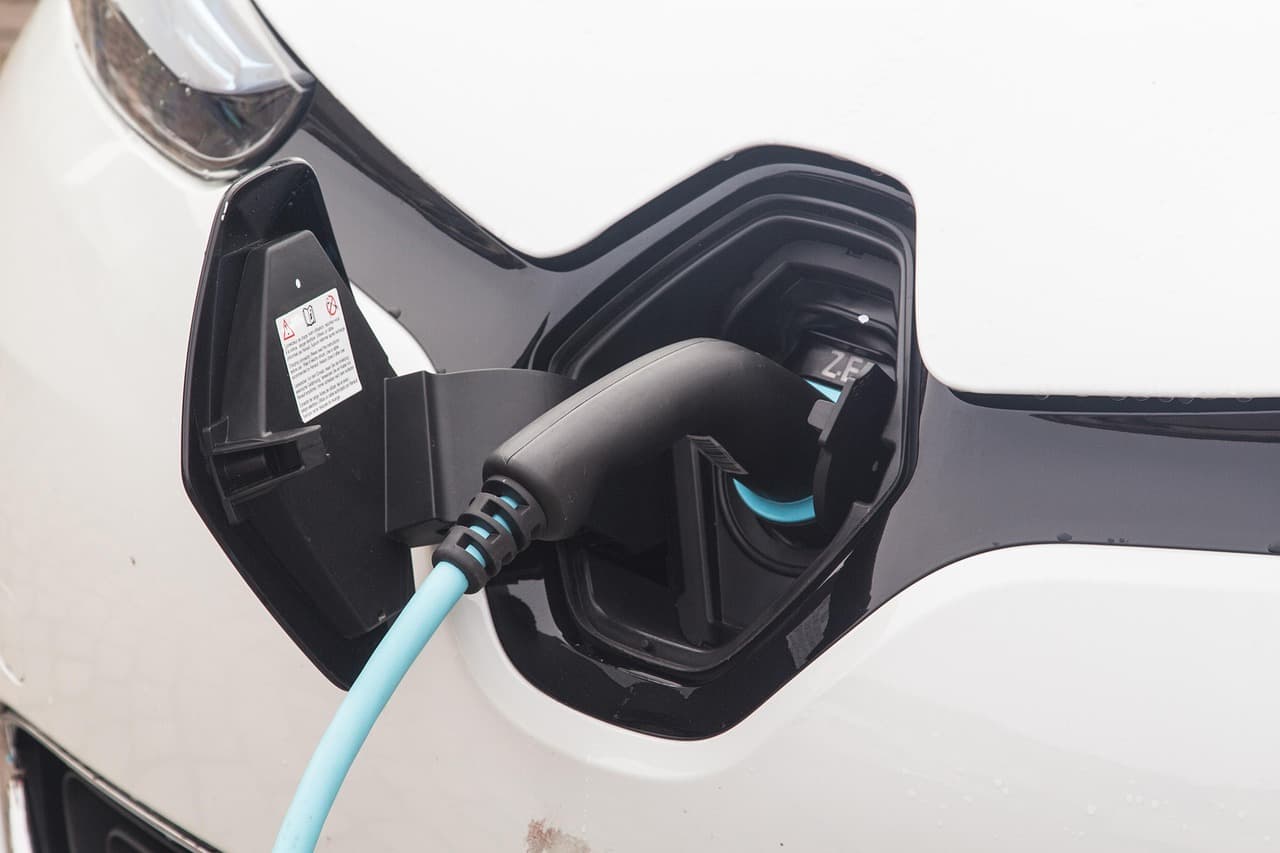
Carmakers could earn credits towards selling petrol cars if they equip electric vehicles uk-wide with bidirectional charging, under vehicle to grid UK incentives set out in a government consultation that closed on Friday. The proposal sits inside the government's review of the zero-emission vehicle (ZEV) mandate, which the government is preparing to change by cutting electric vehicle sales targets.
How the car credit scheme would work
The consultation proposes giving manufacturers a credit for each car sold with V2G, also known as bidirectional charging. The credit would let a carmaker sell another petrol car without facing fines if it misses its ZEV targets.
According to New AutoMotive, the plans would hand makers one or even two extra credits worth around £4,000 each per car. Few drivers, the group notes, own the expensive charger the technology requires.
What V2G technology does
V2G allows drivers to charge automatically when electricity is cheap overnight, then sell some of it back to the grid at times of high demand. The same setup can also power the driver's home, known as V2H.
If widely adopted, the technology could ease pressure on the grid during still, cloudy or dark periods when wind and solar generation falls below demand, and reduce the need to fire up expensive gas power plants to fill supply gaps. Smart charging tariffs, which work without V2G hardware, already encourage EV owners to charge when electricity is overabundant and cheap, cutting the payments made to renewable generators to switch off.
Criticism: polluting cars and untested tech
Campaign groups warned the ZEV incentives could have a perverse effect, allowing carmakers to sell more polluting petrol models in the next few years. Environmental groups expect the changes could mean an additional 147m tonnes of carbon emitted into the atmosphere by 2050.
Ben Nelmes, chief executive of New AutoMotive, said rewards should depend on the technology actually being used.
Vehicle to grid is exciting technology that could help balance the grid and cut bills, but carmakers should only be rewarded if it's actually used
Nelmes added that ministers should make sure the people who benefit from V2G are drivers and billpayers, not carmakers' shareholders.
Vicky Edmonds, chief executive of the Electric Vehicle Association England, said the UK has millions of EV drivers but only a fraction are using vehicle to grid or storage technologies. Consumers, she said, are still getting to grips with more immediate questions around the cost of their car, the cost of charging and whether an EV suits their daily needs. It is far too early, she argued, to give manufacturers a credit that effectively allows them to sell fewer EVs for an untested technology.
Early adopters and forecasts
Selling electricity back to the grid is already happening in a small number of programmes:
- •Octopus Energy in the UK, which has claimed drivers could save £620 a year with the service
- •Renault in France
- •BMW in Germany
The National Energy System Operator forecasts that V2G cars could supply the equivalent of a power station by 2030, able to provide 1.2 gigawatts of power on demand. By 2050, it expects capacity could grow to as much as 41 GW, enough to meet more than a quarter of peak energy demand.
The consultation on the proposals closed on Friday. The review of the ZEV mandate is ongoing, with the government preparing to cut electric vehicle sales targets under it.