• Analysis
GSK shares tumble 7% as vaccine sales dip and restructuring costs mount despite upbeat quarter
GSK shares fell as much as 7% on Wednesday, the biggest drop on the FTSE 100, after the drugmaker reported weaker vaccine sales and £318m of restructuring charges in the third quarter, even as overall results beat expectations.
Profit falls as restructuring charges bite
The sell-off came despite GSK's third-quarter results beating forecasts, with investors unnerved by weaker vaccine sales, restructuring costs and the broader outlook. Pre-tax profit fell 19% to £1.9bn in the July to September quarter, and the company booked £318m of restructuring charges in the period, with more still to come.
Vaccine sales slip while turnover rises
Group turnover told a split story: overall sales grew 5% at constant currency rates to £8.9bn, lifted by HIV, cancer and lupus medications, but the vaccines business shrank.
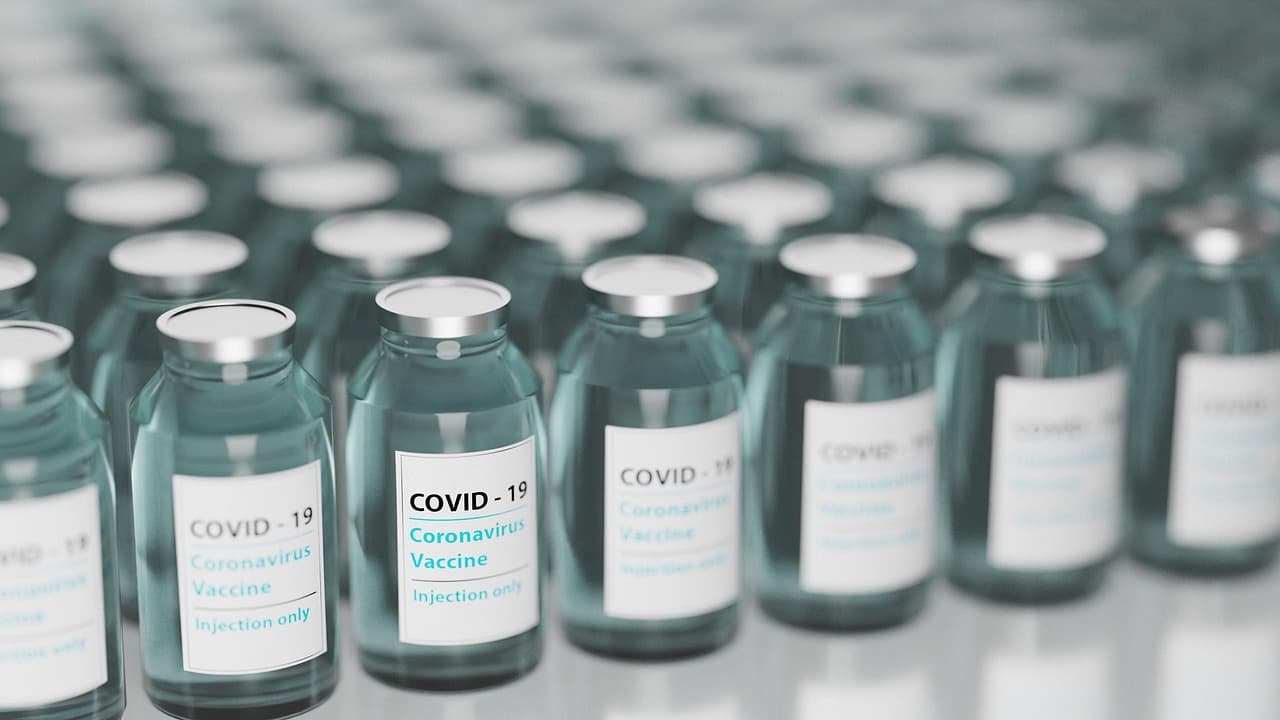
- •Vaccine sales dipped 2% to £2.6bn
- •Shingrix, the shingles vaccine, was down 5%
- •The RSV vaccine Arexvy fell 24%
- •Meningitis vaccine sales rose 12%
Miels's cost programme and job cuts
Much of the restructuring traces back to Luke Miels, who took over from Emma Walmsley as chief executive in January. He has announced acquisitions including a £7.9bn US cancer specialist and, in July, a major cost-saving programme designed to speed up drug development.
The plan targets £1.9bn of annual savings over three years, and Miels said the company is slightly ahead of schedule, with the savings intended to simplify operations and free up more investment for research. The restructuring will cost £2.4bn in total, most of it hitting this year and next.
The most significant changes are in Belgium, where the vaccine business is being reorganised around digital tools and automation, expected to eliminate about 1,200 jobs. Belgium will nonetheless keep producing the bulk of GSK's vaccines. Miels said the impact on the UK was relatively limited, with some job cuts in support roles at the central London headquarters - GSK had nearly 67,000 employees globally at the end of last year.
"You never want headquarters to be too big; I want people on the bench in the lab."
Outlook: forecasts held and pipeline plans
GSK maintained its annual forecasts, with R&D spending set to grow faster than sales, and expects to begin 22 late-stage studies of new medications by the end of the year, 18 already under way, focused on specialty medicines and vaccines.
Investors remain worried about the looming patent cliff for the blockbuster HIV drug dolutegravir, which loses patent protection towards the end of the decade. Against that, GSK is targeting more than £40bn in total annual revenue by 2031 as it rebuilds its cancer business.
On Shingrix, Miels said the vaccine had "potential to grow next year" and called it "a remarkable product". Two large studies are assessing whether it reduces dementia risk and major adverse cardiovascular events, with first data due in 2029 and 2027 respectively - studies he said could be "transformative". UK high street chemists have reported rising demand for the shingles vaccine after studies showed a correlation with reduced dementia risk, strongest in women. Miels said: "We've got a lot of studies that show a correlation. We're trying to demonstrate causation."