Friday, November 20, 2026

english

HAUT MONDE

POST

Business

• Analysis

Greenpeace boulders in North Sea may delay building of £12bn Norfolk Vanguard windfarms

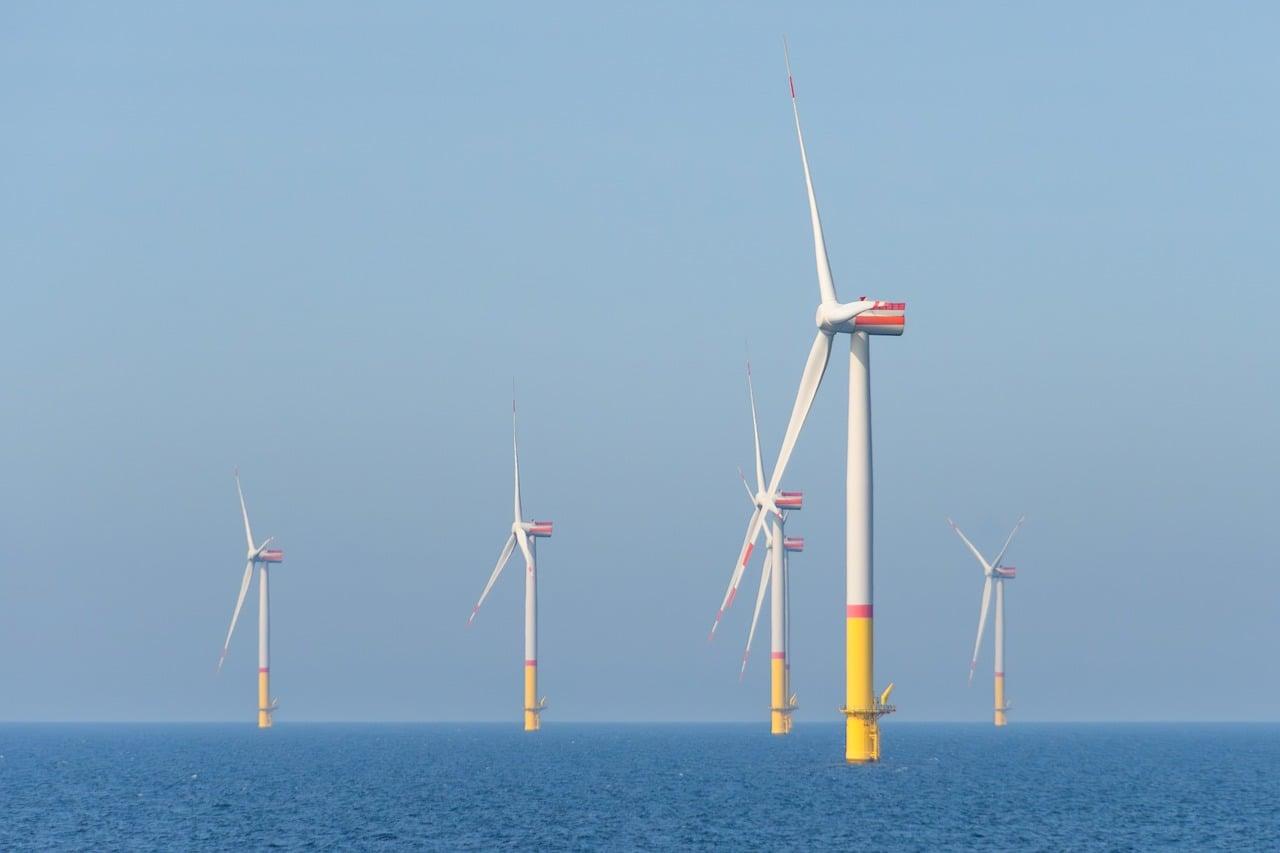
About 15 tonnes of boulders dropped by Greenpeace on the North Sea seabed may delay construction of £12bn windfarms off the Norfolk coast, after most landed on the site of the Norfolk Vanguard windfarm, one of the UK's biggest planned offshore projects.
By Haut Monde Post

• November 14, 2026

• 3 Min Read

Greenpeace boulders in North Sea may delay building of £12bn Norfolk Vanguard windfarms

Boulders landed on the Norfolk Vanguard site

Greenpeace activists dropped roughly 15 tonnes of boulders on to the North Sea seabed as part of a campaign against bottom trawling, but most landed where the Norfolk Vanguard windfarm is earmarked to be built, one of the UK's biggest planned windfarms.

  • •The stones were laid to safeguard harbour porpoises off the Norfolk coast
  • •Each of the giant stone blocks weighed up to 2 tonnes
  • •Greenpeace checked the seabed for cables, pipelines or shipwrecks beforehand, but was not aware of the windfarm plans

A £12bn project backed at Cop31

The timing compounds the overlap. The stones went into the sea before the marine authority had given permission, and only days later the prime minister announced at the Cop31 summit a £1bn public investment in the Vanguard West and Vanguard East windfarms, believed to be the biggest investment of its kind in UK history.

Developers and the UK government have agreed a £12bn deal to begin building the offshore windfarm next year, which means the boulders are likely to be removed within months. The barrier was placed in one of the most heavily trawled areas of the southern North Sea, and some boulders bear the signatures of celebrities including Simon Pegg and Benedict Cumberbatch, who supported the campaign.

RWE and Greenpeace in talks over the seabed

RWE, the German utility developing the project, is in talks with Greenpeace to verify the exact placement of the boulders and to update seabed surveys begun last summer. It is also investigating any impact on construction or undersea cables. An RWE spokesperson described the communication with Greenpeace as constructive and said the company would "continue to investigate the precise implications" for Norfolk Vanguard East.

Greenpeace rejects 'genuine obstacle' claim

Will McCallum, co-executive director of Greenpeace UK, said the idea that the boulders would create a genuine obstacle was "absurd". He noted that energy companies routinely move naturally occurring boulders before building windfarms, and that some of these can be 10 times heavier than the ones Greenpeace placed.

McCallum added that Greenpeace has long championed offshore wind and that the boulders will provide an essential barrier to destructive bottom trawlers in the protected area until the windfarm is built. Industrial fishing, including bottom trawling, is also likely to move elsewhere once the construction area is active.

RWE remains in talks with Greenpeace over the exact placement of the boulders, with removal expected within months before building begins next year.


HAUT MONDE POST

Independent journalism of the highest standard. A chronicle of world culture, politics, arts, and public thought.

Publication

AboutEditorial

Newsletter

Get the best Haut Monde Post content delivered to your inbox every week.

© 2026 Haut Monde Post. All rights reserved. Digital edition hautmondepost.com.

Friday, Nov 20, 2026

english

Business

• Analysis

Greenpeace boulders in North Sea may delay building of £12bn Norfolk Vanguard windfarms

About 15 tonnes of boulders dropped by Greenpeace on the North Sea seabed may delay construction of £12bn windfarms off the Norfolk coast, after most landed on the site of the Norfolk Vanguard windfarm, one of the UK's biggest planned offshore projects.

By Haut Monde Post

Nov 14, 2026 • 3 Min Read
Greenpeace boulders in North Sea may delay building of £12bn Norfolk Vanguard windfarms

Boulders landed on the Norfolk Vanguard site

Greenpeace activists dropped roughly 15 tonnes of boulders on to the North Sea seabed as part of a campaign against bottom trawling, but most landed where the Norfolk Vanguard windfarm is earmarked to be built, one of the UK's biggest planned windfarms.

  • •The stones were laid to safeguard harbour porpoises off the Norfolk coast
  • •Each of the giant stone blocks weighed up to 2 tonnes
  • •Greenpeace checked the seabed for cables, pipelines or shipwrecks beforehand, but was not aware of the windfarm plans

A £12bn project backed at Cop31

The timing compounds the overlap. The stones went into the sea before the marine authority had given permission, and only days later the prime minister announced at the Cop31 summit a £1bn public investment in the Vanguard West and Vanguard East windfarms, believed to be the biggest investment of its kind in UK history.

Developers and the UK government have agreed a £12bn deal to begin building the offshore windfarm next year, which means the boulders are likely to be removed within months. The barrier was placed in one of the most heavily trawled areas of the southern North Sea, and some boulders bear the signatures of celebrities including Simon Pegg and Benedict Cumberbatch, who supported the campaign.

RWE and Greenpeace in talks over the seabed

RWE, the German utility developing the project, is in talks with Greenpeace to verify the exact placement of the boulders and to update seabed surveys begun last summer. It is also investigating any impact on construction or undersea cables. An RWE spokesperson described the communication with Greenpeace as constructive and said the company would "continue to investigate the precise implications" for Norfolk Vanguard East.

Greenpeace rejects 'genuine obstacle' claim

Will McCallum, co-executive director of Greenpeace UK, said the idea that the boulders would create a genuine obstacle was "absurd". He noted that energy companies routinely move naturally occurring boulders before building windfarms, and that some of these can be 10 times heavier than the ones Greenpeace placed.

McCallum added that Greenpeace has long championed offshore wind and that the boulders will provide an essential barrier to destructive bottom trawlers in the protected area until the windfarm is built. Industrial fishing, including bottom trawling, is also likely to move elsewhere once the construction area is active.

RWE remains in talks with Greenpeace over the exact placement of the boulders, with removal expected within months before building begins next year.

HAUT MONDE POST

Independent journalism of the highest standard. A chronicle of world culture, politics, arts, and public thought. Published and printed daily in Paris, France.

Publication

AboutEditorial

Newsletter

Get the best Haut Monde Post content delivered to your inbox every week.

© 2026 Haut Monde Post. All rights reserved. Digital edition hautmondepost.com. Published in Paris.

Friday, Nov 20, 2026

english

Business

• Analysis

Greenpeace boulders in North Sea may delay building of £12bn Norfolk Vanguard windfarms

About 15 tonnes of boulders dropped by Greenpeace on the North Sea seabed may delay construction of £12bn windfarms off the Norfolk coast, after most landed on the site of the Norfolk Vanguard windfarm, one of the UK's biggest planned offshore projects.

By Haut Monde Post

Greenpeace boulders in North Sea may delay building of £12bn Norfolk Vanguard windfarms

Boulders landed on the Norfolk Vanguard site

Greenpeace activists dropped roughly 15 tonnes of boulders on to the North Sea seabed as part of a campaign against bottom trawling, but most landed where the Norfolk Vanguard windfarm is earmarked to be built, one of the UK's biggest planned windfarms.

  • •The stones were laid to safeguard harbour porpoises off the Norfolk coast
  • •Each of the giant stone blocks weighed up to 2 tonnes
  • •Greenpeace checked the seabed for cables, pipelines or shipwrecks beforehand, but was not aware of the windfarm plans

A £12bn project backed at Cop31

The timing compounds the overlap. The stones went into the sea before the marine authority had given permission, and only days later the prime minister announced at the Cop31 summit a £1bn public investment in the Vanguard West and Vanguard East windfarms, believed to be the biggest investment of its kind in UK history.

Developers and the UK government have agreed a £12bn deal to begin building the offshore windfarm next year, which means the boulders are likely to be removed within months. The barrier was placed in one of the most heavily trawled areas of the southern North Sea, and some boulders bear the signatures of celebrities including Simon Pegg and Benedict Cumberbatch, who supported the campaign.

RWE and Greenpeace in talks over the seabed

RWE, the German utility developing the project, is in talks with Greenpeace to verify the exact placement of the boulders and to update seabed surveys begun last summer. It is also investigating any impact on construction or undersea cables. An RWE spokesperson described the communication with Greenpeace as constructive and said the company would "continue to investigate the precise implications" for Norfolk Vanguard East.

Greenpeace rejects 'genuine obstacle' claim

Will McCallum, co-executive director of Greenpeace UK, said the idea that the boulders would create a genuine obstacle was "absurd". He noted that energy companies routinely move naturally occurring boulders before building windfarms, and that some of these can be 10 times heavier than the ones Greenpeace placed.

McCallum added that Greenpeace has long championed offshore wind and that the boulders will provide an essential barrier to destructive bottom trawlers in the protected area until the windfarm is built. Industrial fishing, including bottom trawling, is also likely to move elsewhere once the construction area is active.

RWE remains in talks with Greenpeace over the exact placement of the boulders, with removal expected within months before building begins next year.