Business
• Analysis
Fuel prices Australia: IMF oil scenario could add 30c a litre and pressure RBA rates
An IMF scenario of oil reaching US$130 a barrel could lift Australian fuel prices by another 30 cents a litre and pressure the Reserve Bank into further interest rate rises, economists said in the latest World Economic Outlook.
By Haut Monde Post
• October 13, 2026
• 3 Min Read
Australian fuel prices could rise by a further 30 cents a litre under an IMF oil price scenario, and economists warn the jump would add to cost-of-living pressure and force the Reserve Bank's hand on interest rates.
IMF's 'clear and present danger' scenario
The hypothetical appears in the fund's latest World Economic Outlook. It models what happens if the Middle East crisis worsens and drags on into 2027, turmoil the IMF calls a "clear and present danger" to an otherwise resilient global economy through commodity and bond markets. The fund did not publish what the shock would mean for Australia specifically, only a hypothetical US$30 jump in crude from just over US$106 a barrel now.
Under the scenario:
- •the Middle East conflict persists through the end of June 2027
- •the straits of Hormuz and Bab el-Mandeb remain largely closed to commercial shipping
- •oil infrastructure damage delays any recovery in supply to the end of 2027
- •oil prices reach US$130 a barrel from the fourth quarter of 2026 to the first quarter of 2027, with little scope left to draw down inventories
What it would mean at the bowser
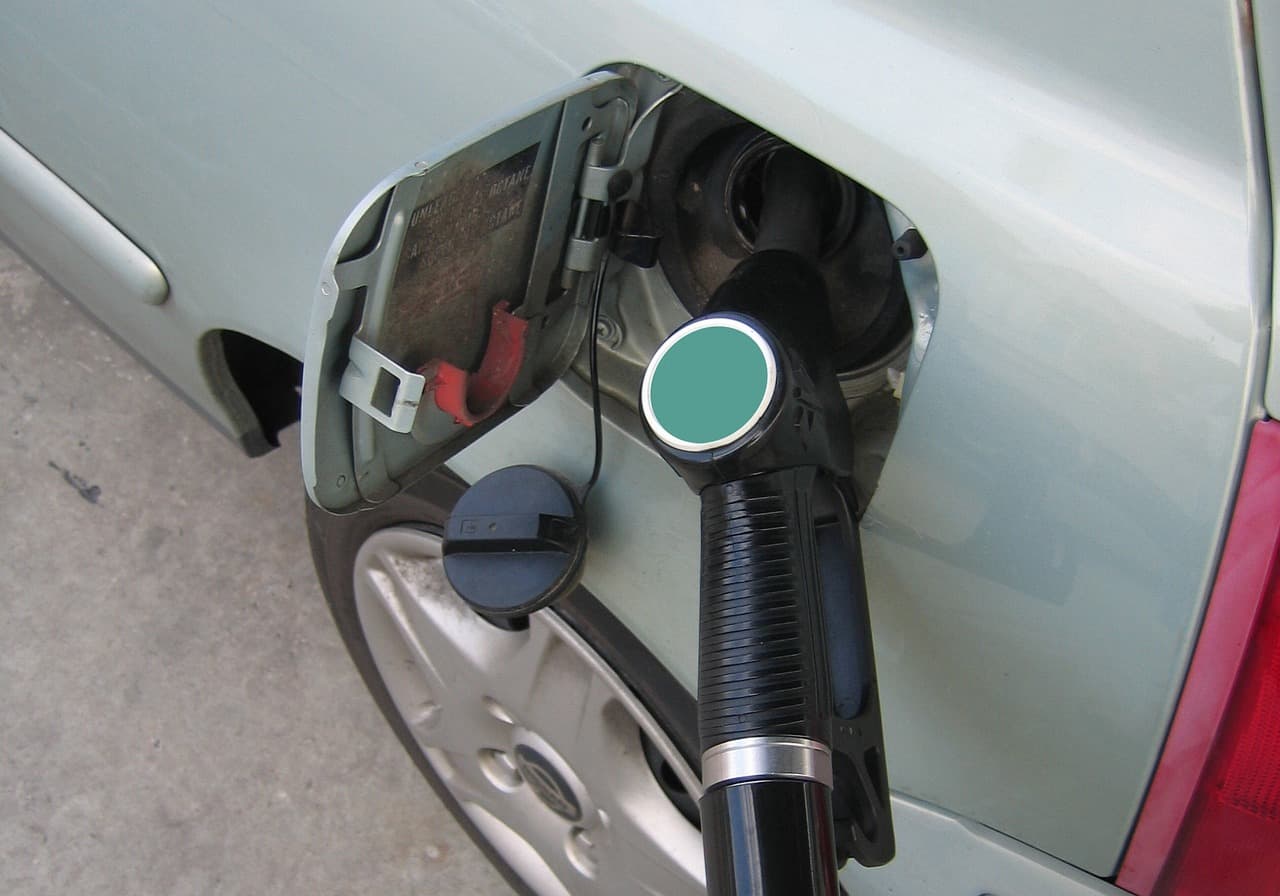
Motorists are already feeling the squeeze. Unleaded petrol in the major east coast cities has pushed above $2.40 a litre in recent days, approaching six-month highs, while diesel has eased slightly but stays high at about $2.80 a litre.
Using the rule of thumb that every US$10 rise in global oil adds about 10 cents at the bowser, a US$30 increase would take unleaded petrol towards $2.70 a litre - the highest since the war began more than seven months ago, and consistent with the economists' 30-cent warning.
Inflation and rates on the line
Economists said a fuel move of that size could leave inflation more than 1 percentage point higher than expected by the end of the year, deepening cost-of-living pressures and weighing on growth.
Johnathan McMenamin, head of economic forecasts at Barrenjoey, expects inflation to lift to 4.2% in the year to September, up from 4% in August. He calculates that every 10% rise in fuel prices directly adds 0.33 percentage points to headline inflation. The RBA's own forecast of headline inflation falling to 3.6% by year's end rests on Brent crude falling to US$81 a barrel; under the IMF's US$130 scenario, inflation could still be as high as 4.5% in late 2026.
Divided on RBA response
Jonathan Kearns, chief economist at Challenger, said the reality was that the RBA and other central banks would have to answer higher fuel costs with higher interest rates. "The question is how much higher," Kearns said.
McMenamin is less convinced a hike is needed, arguing the bank has mostly been responding to underlying price pressures tied to domestic capacity constraints rather than overseas factors.
The board has already taken note. Minutes released on Tuesday from last month's meeting - which delivered a fourth rate hike - show members discussed the Middle East conflict having escalated, with oil prices substantially above the level assumed in the August forecasts, and noted that global cost pressures appeared to be building, some of it from the indirect effects of higher oil prices.