Thursday, October 8, 2026

english

HAUT MONDE

POST

Business

• Analysis

Global Energy Crunch: Elevated Oil Prices Are the New Normal, S&P Global Analyst Says

High energy prices continue to drive inflation and voter anger worldwide, and Jim Burkhard of S&P Global says elevated oil prices are here to stay until flows out of the Strait of Hormuz are normalised.

By Haut Monde Post

• October 8, 2026

• 2 Min Read
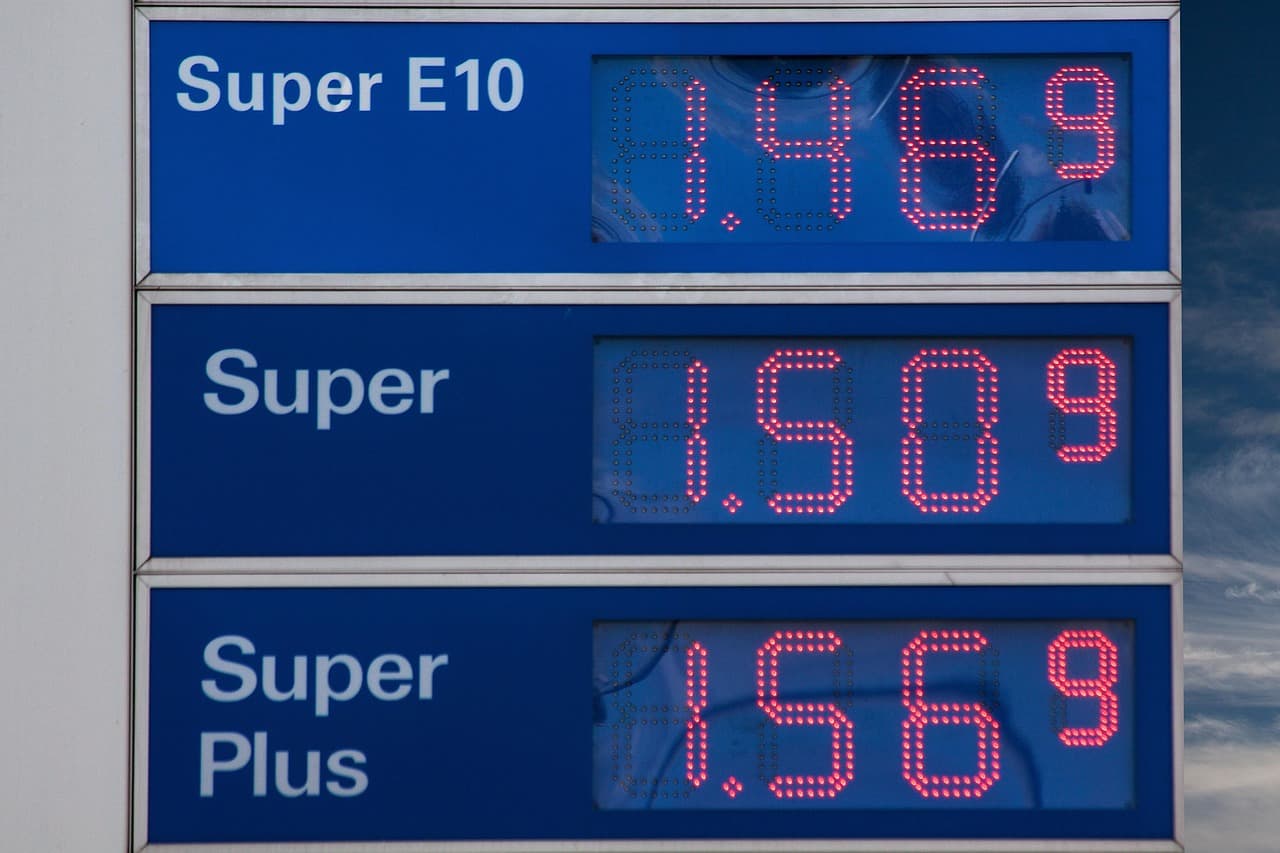
Global Energy Crunch: Elevated Oil Prices Are the New Normal, S&P Global Analyst Says

The global energy crunch shows no sign of ending soon, according to Jim Burkhard, Vice President and Head of Research for Oil Markets, Energy and Mobility at S&P Global, who says elevated oil prices are here to stay.

Prices feeding inflation and anger

Burkhard notes that high energy prices continue to drive inflation and stoke anger among voters around the world. There are, however, some easing signals: more crude oil is flowing through the Strait of Hormuz, and governments are releasing more emergency fuel stockpiles.

  • •More crude oil is moving through the Strait of Hormuz
  • •Governments are releasing more emergency fuel stockpiles

Why prices stay high

Burkhard's answer on duration is blunt: with the Middle East impossible to replace as a supply source, the current price level holds until Hormuz flows are back to normal.

It's the new normal until flows are normalised out of the Strait of Hormuz. There's no replacing the Middle East as a source of supply.

He adds that damaged infrastructure and high shipping costs are also part of the medium to long-term challenge, and that a refining issue exists which is not confined to the Middle East.

Tanker rates signal the strain

The shipping-cost pressure is stark in Burkhard's own figures: the daily rate for an oil tanker has risen from $60,000 to over a million dollars.

Governments rethink energy security

After two energy crises in less than five years, governments are looking at different ways to ensure their energy security, Burkhard says.

  • •Some countries want to produce more oil and gas in or nearby their own country
  • •Others are saying they want to move away from oil and gas

It is a mixed response, not a uniform one, and it depends on the resources and options that a particular country or region has at its disposal.

Thursday, Oct 8, 2026

english

Business

• Analysis

Global Energy Crunch: Elevated Oil Prices Are the New Normal, S&P Global Analyst Says

High energy prices continue to drive inflation and voter anger worldwide, and Jim Burkhard of S&P Global says elevated oil prices are here to stay until flows out of the Strait of Hormuz are normalised.

By Haut Monde Post

Oct 8, 2026 • 2 Min Read

Global Energy Crunch: Elevated Oil Prices Are the New Normal, S&P Global Analyst Says

The global energy crunch shows no sign of ending soon, according to Jim Burkhard, Vice President and Head of Research for Oil Markets, Energy and Mobility at S&P Global, who says elevated oil prices are here to stay.

Prices feeding inflation and anger

Burkhard notes that high energy prices continue to drive inflation and stoke anger among voters around the world. There are, however, some easing signals: more crude oil is flowing through the Strait of Hormuz, and governments are releasing more emergency fuel stockpiles.

  • •More crude oil is moving through the Strait of Hormuz
  • •Governments are releasing more emergency fuel stockpiles

Why prices stay high

Burkhard's answer on duration is blunt: with the Middle East impossible to replace as a supply source, the current price level holds until Hormuz flows are back to normal.

It's the new normal until flows are normalised out of the Strait of Hormuz. There's no replacing the Middle East as a source of supply.

He adds that damaged infrastructure and high shipping costs are also part of the medium to long-term challenge, and that a refining issue exists which is not confined to the Middle East.

Tanker rates signal the strain

The shipping-cost pressure is stark in Burkhard's own figures: the daily rate for an oil tanker has risen from $60,000 to over a million dollars.

Governments rethink energy security

After two energy crises in less than five years, governments are looking at different ways to ensure their energy security, Burkhard says.

  • •Some countries want to produce more oil and gas in or nearby their own country
  • •Others are saying they want to move away from oil and gas

It is a mixed response, not a uniform one, and it depends on the resources and options that a particular country or region has at its disposal.

Thursday, Oct 8, 2026

english

Business

• Analysis

Global Energy Crunch: Elevated Oil Prices Are the New Normal, S&P Global Analyst Says

High energy prices continue to drive inflation and voter anger worldwide, and Jim Burkhard of S&P Global says elevated oil prices are here to stay until flows out of the Strait of Hormuz are normalised.

By Haut Monde Post

Oct 8, 2026 • 2 Min Read

Global Energy Crunch: Elevated Oil Prices Are the New Normal, S&P Global Analyst Says

The global energy crunch shows no sign of ending soon, according to Jim Burkhard, Vice President and Head of Research for Oil Markets, Energy and Mobility at S&P Global, who says elevated oil prices are here to stay.

Prices feeding inflation and anger

Burkhard notes that high energy prices continue to drive inflation and stoke anger among voters around the world. There are, however, some easing signals: more crude oil is flowing through the Strait of Hormuz, and governments are releasing more emergency fuel stockpiles.

  • •More crude oil is moving through the Strait of Hormuz
  • •Governments are releasing more emergency fuel stockpiles

Why prices stay high

Burkhard's answer on duration is blunt: with the Middle East impossible to replace as a supply source, the current price level holds until Hormuz flows are back to normal.

It's the new normal until flows are normalised out of the Strait of Hormuz. There's no replacing the Middle East as a source of supply.

He adds that damaged infrastructure and high shipping costs are also part of the medium to long-term challenge, and that a refining issue exists which is not confined to the Middle East.

Tanker rates signal the strain

The shipping-cost pressure is stark in Burkhard's own figures: the daily rate for an oil tanker has risen from $60,000 to over a million dollars.

Governments rethink energy security

After two energy crises in less than five years, governments are looking at different ways to ensure their energy security, Burkhard says.

  • •Some countries want to produce more oil and gas in or nearby their own country
  • •Others are saying they want to move away from oil and gas

It is a mixed response, not a uniform one, and it depends on the resources and options that a particular country or region has at its disposal.