• Analysis
Deutsche Bank Leak: Epstein Moved Over Half a Billion Dollars Until 2019
A Deutsche Bank leak of 15 million documents, examined in an investigation led by the Financial Times, shows Jeffrey Epstein carried out transactions at the bank worth more than half a billion dollars until 2019, even though the bank knew of his 2008 conviction. The bank cut ties only three days after his arrest.
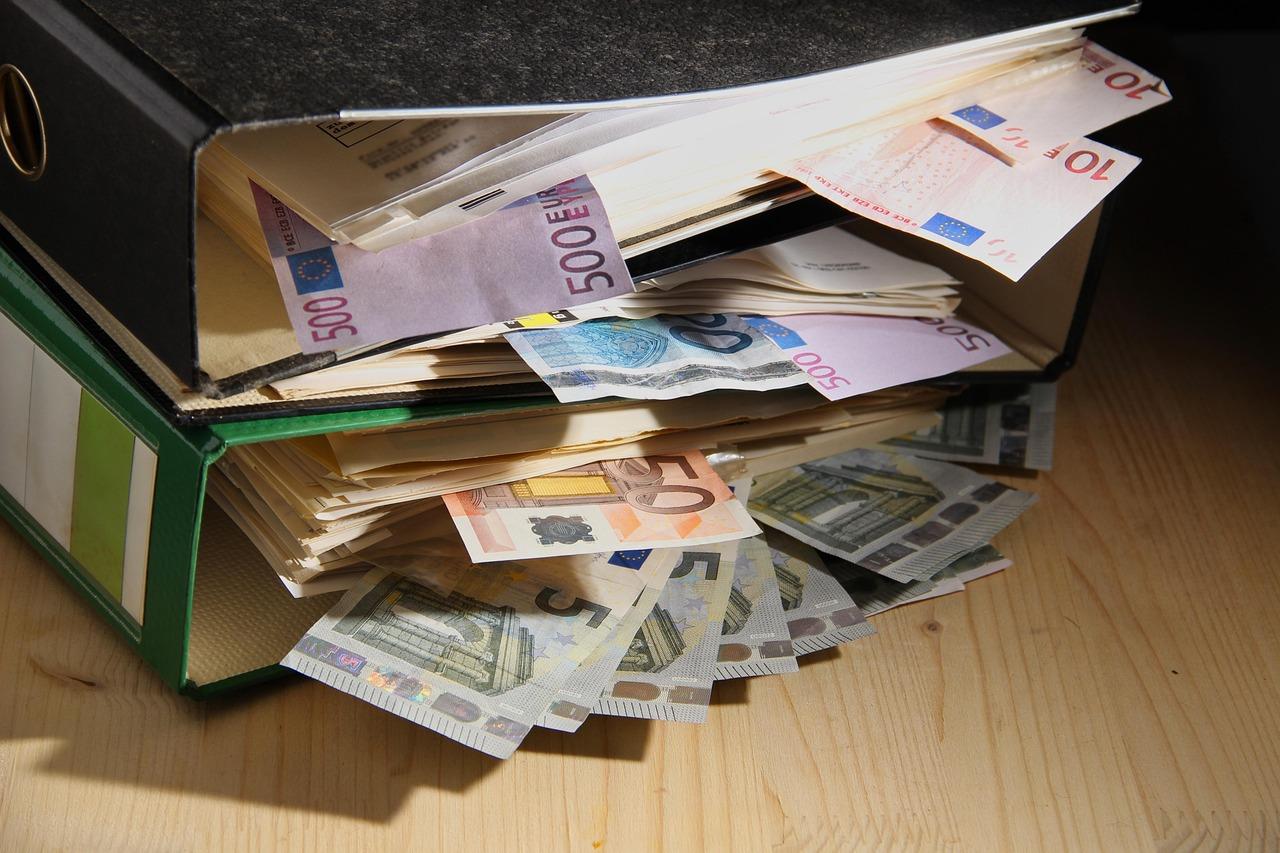
The account record sits at the centre of a joint investigation into the Deutsche Bank leak, published around November 18, 2026 and led by the Financial Times with international partners including Le Monde and Der Spiegel. It details how the bank kept a convicted sex offender as a client for years and moved against him only when he became impossible to defend publicly.
What the leaked files show about the Epstein account
Der Spiegel reported that Jeffrey Epstein became a Deutsche Bank client in 2013, five years after his 2008 conviction, which the bank was fully aware of at the time. According to the files, he then carried out transactions totalling more than half a billion dollars at the bank.
- •Epstein joined as a client in 2013, well after his 2008 conviction
- •His transactions at the bank exceeded half a billion dollars
- •He remained a client until 2019
- •The bank ended the relationship three days after his arrest
Azerbaijan money-laundering link to a Trump company
Le Monde reported that an internal Deutsche Bank investigation established "a formal and direct link" between at least one of Donald Trump's companies and money-laundering operations in Azerbaijan.
According to Le Monde's account, the bank knew of the link but did not sever its ties with the US president. Instead, it reinforced confidentiality, a step Le Monde describes as protecting both Trump and the bank itself.
Sewing's cleanup promise and the record before it
Christian Sewing took over as Deutsche Bank's chief executive in 2018 with a promise to end the scandals and clean up the institution. The Financial Times, assessing the leak eight years later, concludes that reality differs from that promise.
The record Sewing inherited was already heavy. Since the start of the 2000s, the bank had faced at least 27 raids and accumulated fines and sanctions totalling more than €20 billion. Der Spiegel notes that accusations of shortcomings, including money laundering, predated his arrival, and the paper frames its reporting as an account of the bank's "dark secrets".
Who reported the leak
The Financial Times led the investigation into the 15 million documents, working with Le Monde, Der Spiegel and other international media. The newspaper summarises what the documents expose as "bad behaviour, systemic failures, incompetence and broken promises" at the bank.
Der Spiegel's contribution points to two client relationships now drawing fire: ties to sanctioned Russian oligarchs and to Epstein.
- •The leak covered 15 million internal documents
- •The Financial Times coordinated the joint investigation
- •Le Monde and Der Spiegel were among the partner outlets
- •Der Spiegel highlighted the oligarch and Epstein relationships
The published findings present the half-billion-dollar Epstein relationship and the unsevered Trump ties as evidence that the bank's conduct continued well into Sewing's tenure; the documents themselves are where the report ends.