Friday, November 20, 2026

english

HAUT MONDE

POST

Business

• Analysis

CBI urges urgent easing of Brexit work travel rules for UK-EU business trips

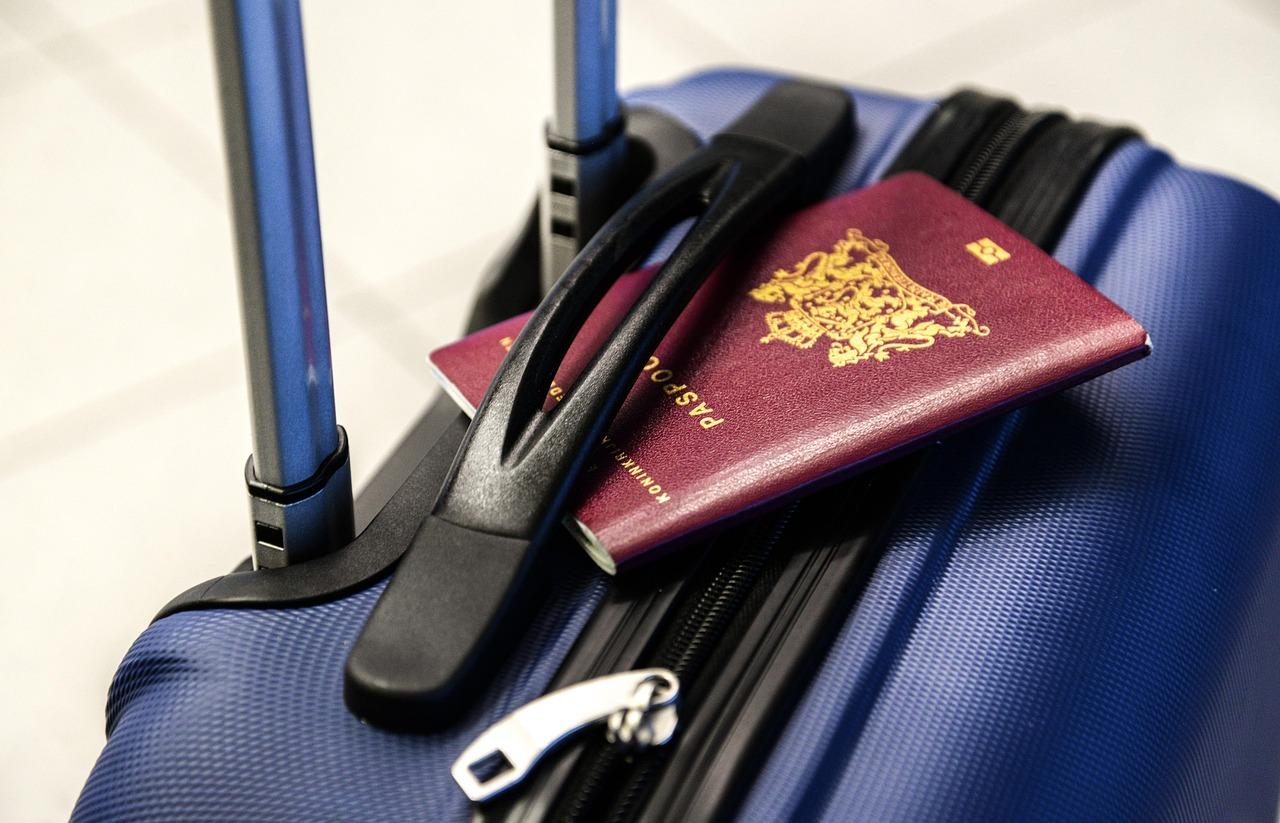
The CBI has called on the UK government and the European Commission to urgently ease Brexit work travel rules restricting cross-Channel business trips, saying permits and the 90-day limit deter investors and hamper trade.
By Haut Monde Post

• November 18, 2026

• 3 Min Read

CBI urges urgent easing of Brexit work travel rules for UK-EU business trips

Why the CBI wants change

Britain's biggest business lobby has appealed directly to both sides of the Channel to loosen the Brexit work travel rules that govern cross-border trips. The CBI says employees needing work permits for each destination are putting off cross-border investors and holding back trade at the very time the UK and EU are trying to build resilience against China.

The group has welcomed the prime minister's recent calls for a reset with Europe, which it sees as an attempt to reverse some of the damage Brexit inflicted on the UK economy. According to Sean McGuire, the CBI's director of Europe and international, bosses in energy, defence and the car industry say they are being hampered by the inability to travel freely in Europe to service or run multinational operations.

What little progress has been made

The call follows a Brussels summit this week. The CBI now wants commitments from Andy Burnham and European political leaders that easing the restrictions will be one of the priorities in 2027 for improving UK-EU ties.

  • •McGuire said business mobility should have been a priority in this week's talks, after Keir Starmer's UK-EU summit in 2025 also referenced improving it
  • •EU diplomats said the UK pushed hard on mobility but met resistance, with member states viewing British services, particularly financial, as a threat

On the outcome, McGuire was blunt: "Very little has been achieved. In fact, practically nothing has been achieved. The emphasis was put on youth mobility."

The 90-day limit and work permits

The concrete rules behind the complaint are tight. British citizens travelling to the EU post-Brexit are restricted to 90 days at a time out of a maximum of 180 days a year. "If you are a CEO of a multinational you can very quickly clock up 90 days," McGuire said.

Work permits must also be obtained for every country a worker travels to. That bites hardest on servicing expensive engineering products such as lifts, escalators and factory machines under maintenance contracts.

The quick fix and remaining roadblocks

McGuire argues there is a short route to reform: amending an annex to the EU-UK trade and cooperation agreement, a step he said would let both sides widen visa-free business travel to further sectors without reopening the treaty itself. "Now that we've got youth mobility potentially in the Friday deal, we should move seriously to address the kind of business mobility," he said, adding that such a move would cover both the goods and the services sectors.

McGuire drew a line between two things he said should not be conflated: irregular migration, which he agreed needs tackling, and business mobility, which he described as bringing investment into the UK and vice versa.

An agreement on youth mobility is close, with under-30s set to be offered a three-year visa scheme to work, travel or study. But Burnham faces a structural obstacle, as one EU diplomat explained: "It is a trick because the UK is negotiating with Brussels but work permits are a national competency".

The CBI is also "disappointed" that no progress has been made on mutual recognition of qualifications, which would let British and EU professionals practise in each other's territories as they did before Brexit. Sources said a view in Brussels that this would benefit the UK more than the EU drained energy from the talks.

HAUT MONDE POST

Independent journalism of the highest standard. A chronicle of world culture, politics, arts, and public thought.

Publication

AboutEditorial

Newsletter

Get the best Haut Monde Post content delivered to your inbox every week.

© 2026 Haut Monde Post. All rights reserved. Digital edition hautmondepost.com.

Friday, Nov 20, 2026

english

Business

• Analysis

CBI urges urgent easing of Brexit work travel rules for UK-EU business trips

The CBI has called on the UK government and the European Commission to urgently ease Brexit work travel rules restricting cross-Channel business trips, saying permits and the 90-day limit deter investors and hamper trade.

By Haut Monde Post

Nov 18, 2026 • 3 Min Read
CBI urges urgent easing of Brexit work travel rules for UK-EU business trips

Why the CBI wants change

Britain's biggest business lobby has appealed directly to both sides of the Channel to loosen the Brexit work travel rules that govern cross-border trips. The CBI says employees needing work permits for each destination are putting off cross-border investors and holding back trade at the very time the UK and EU are trying to build resilience against China.

The group has welcomed the prime minister's recent calls for a reset with Europe, which it sees as an attempt to reverse some of the damage Brexit inflicted on the UK economy. According to Sean McGuire, the CBI's director of Europe and international, bosses in energy, defence and the car industry say they are being hampered by the inability to travel freely in Europe to service or run multinational operations.

What little progress has been made

The call follows a Brussels summit this week. The CBI now wants commitments from Andy Burnham and European political leaders that easing the restrictions will be one of the priorities in 2027 for improving UK-EU ties.

  • •McGuire said business mobility should have been a priority in this week's talks, after Keir Starmer's UK-EU summit in 2025 also referenced improving it
  • •EU diplomats said the UK pushed hard on mobility but met resistance, with member states viewing British services, particularly financial, as a threat

On the outcome, McGuire was blunt: "Very little has been achieved. In fact, practically nothing has been achieved. The emphasis was put on youth mobility."

The 90-day limit and work permits

The concrete rules behind the complaint are tight. British citizens travelling to the EU post-Brexit are restricted to 90 days at a time out of a maximum of 180 days a year. "If you are a CEO of a multinational you can very quickly clock up 90 days," McGuire said.

Work permits must also be obtained for every country a worker travels to. That bites hardest on servicing expensive engineering products such as lifts, escalators and factory machines under maintenance contracts.

The quick fix and remaining roadblocks

McGuire argues there is a short route to reform: amending an annex to the EU-UK trade and cooperation agreement, a step he said would let both sides widen visa-free business travel to further sectors without reopening the treaty itself. "Now that we've got youth mobility potentially in the Friday deal, we should move seriously to address the kind of business mobility," he said, adding that such a move would cover both the goods and the services sectors.

McGuire drew a line between two things he said should not be conflated: irregular migration, which he agreed needs tackling, and business mobility, which he described as bringing investment into the UK and vice versa.

An agreement on youth mobility is close, with under-30s set to be offered a three-year visa scheme to work, travel or study. But Burnham faces a structural obstacle, as one EU diplomat explained: "It is a trick because the UK is negotiating with Brussels but work permits are a national competency".

The CBI is also "disappointed" that no progress has been made on mutual recognition of qualifications, which would let British and EU professionals practise in each other's territories as they did before Brexit. Sources said a view in Brussels that this would benefit the UK more than the EU drained energy from the talks.

HAUT MONDE POST

Independent journalism of the highest standard. A chronicle of world culture, politics, arts, and public thought. Published and printed daily in Paris, France.

Publication

AboutEditorial

Newsletter

Get the best Haut Monde Post content delivered to your inbox every week.

© 2026 Haut Monde Post. All rights reserved. Digital edition hautmondepost.com. Published in Paris.

Friday, Nov 20, 2026

english

Business

• Analysis

CBI urges urgent easing of Brexit work travel rules for UK-EU business trips

The CBI has called on the UK government and the European Commission to urgently ease Brexit work travel rules restricting cross-Channel business trips, saying permits and the 90-day limit deter investors and hamper trade.

By Haut Monde Post

CBI urges urgent easing of Brexit work travel rules for UK-EU business trips

Why the CBI wants change

Britain's biggest business lobby has appealed directly to both sides of the Channel to loosen the Brexit work travel rules that govern cross-border trips. The CBI says employees needing work permits for each destination are putting off cross-border investors and holding back trade at the very time the UK and EU are trying to build resilience against China.

The group has welcomed the prime minister's recent calls for a reset with Europe, which it sees as an attempt to reverse some of the damage Brexit inflicted on the UK economy. According to Sean McGuire, the CBI's director of Europe and international, bosses in energy, defence and the car industry say they are being hampered by the inability to travel freely in Europe to service or run multinational operations.

What little progress has been made

The call follows a Brussels summit this week. The CBI now wants commitments from Andy Burnham and European political leaders that easing the restrictions will be one of the priorities in 2027 for improving UK-EU ties.

  • •McGuire said business mobility should have been a priority in this week's talks, after Keir Starmer's UK-EU summit in 2025 also referenced improving it
  • •EU diplomats said the UK pushed hard on mobility but met resistance, with member states viewing British services, particularly financial, as a threat

On the outcome, McGuire was blunt: "Very little has been achieved. In fact, practically nothing has been achieved. The emphasis was put on youth mobility."

The 90-day limit and work permits

The concrete rules behind the complaint are tight. British citizens travelling to the EU post-Brexit are restricted to 90 days at a time out of a maximum of 180 days a year. "If you are a CEO of a multinational you can very quickly clock up 90 days," McGuire said.

Work permits must also be obtained for every country a worker travels to. That bites hardest on servicing expensive engineering products such as lifts, escalators and factory machines under maintenance contracts.

The quick fix and remaining roadblocks

McGuire argues there is a short route to reform: amending an annex to the EU-UK trade and cooperation agreement, a step he said would let both sides widen visa-free business travel to further sectors without reopening the treaty itself. "Now that we've got youth mobility potentially in the Friday deal, we should move seriously to address the kind of business mobility," he said, adding that such a move would cover both the goods and the services sectors.

McGuire drew a line between two things he said should not be conflated: irregular migration, which he agreed needs tackling, and business mobility, which he described as bringing investment into the UK and vice versa.

An agreement on youth mobility is close, with under-30s set to be offered a three-year visa scheme to work, travel or study. But Burnham faces a structural obstacle, as one EU diplomat explained: "It is a trick because the UK is negotiating with Brussels but work permits are a national competency".

The CBI is also "disappointed" that no progress has been made on mutual recognition of qualifications, which would let British and EU professionals practise in each other's territories as they did before Brexit. Sources said a view in Brussels that this would benefit the UK more than the EU drained energy from the talks.