• Analysis
BAE Systems job cuts: more than 1,000 roles to go at head office and air business
BAE Systems job cuts will remove 1,070 roles at its London head office and UK air business, about 2% of its 50,000-strong UK workforce, as the company pushes to deliver capabilities to customers faster.
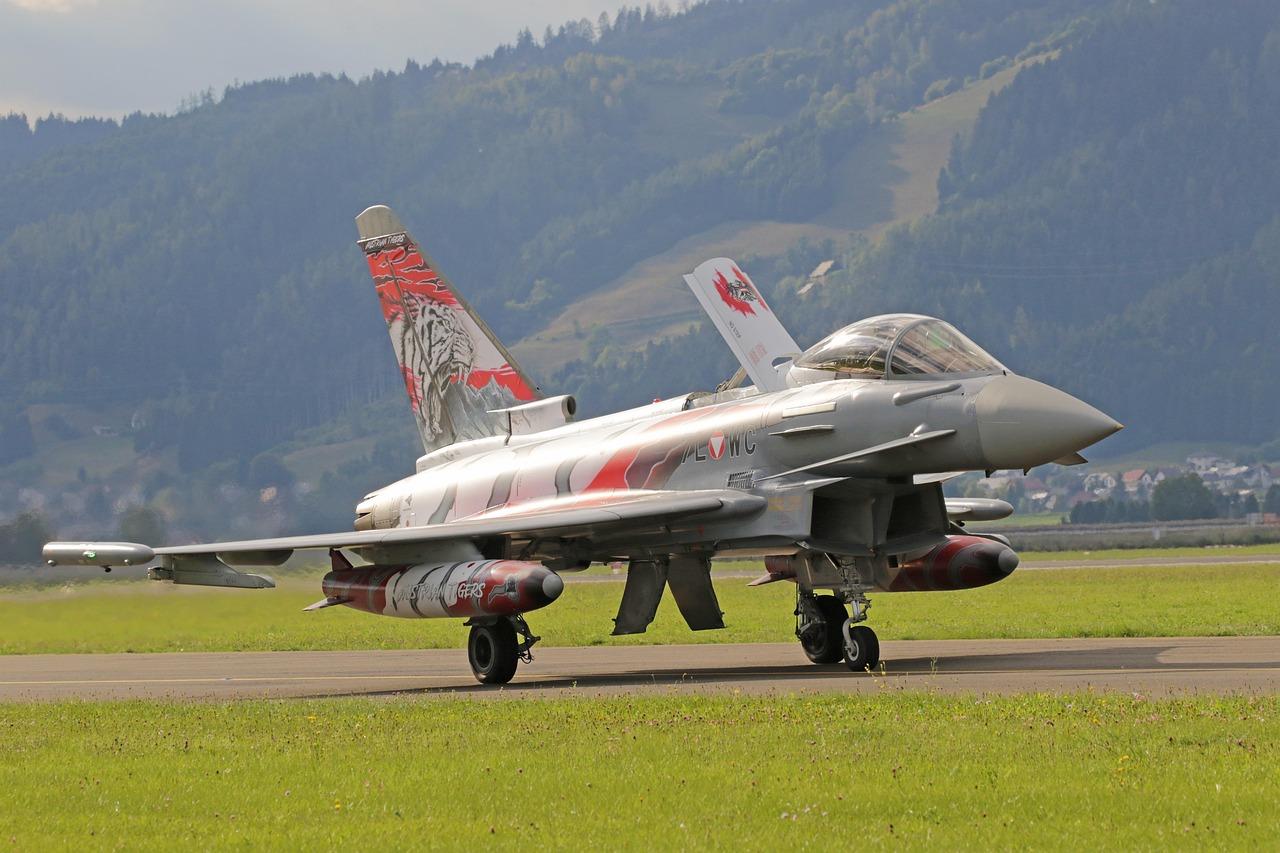
BAE Systems has announced plans to cut more than 1,000 jobs from its UK workforce, with 1,070 roles to go at its head office and air business. The company said the reductions are intended to deliver greater speed and efficiency in getting critical capabilities into the hands of those who need them.
Which roles are affected
The 1,070 positions amount to roughly 2% of the defence firm's 50,000-strong workforce in the UK. The cuts fall on two parts of the business:
- •about 18,500 people work in the air business, where the restructuring is concentrated
- •about 1,000 staff are based at the company's head office in London
Why BAE says it is cutting
A BAE spokesperson described the move as the "next stage of our ongoing focus on enhancing our agility and competitiveness". The spokesperson added: "We recognise that this news may be unsetling for our people", and said the company is focused on voluntary reductions.
The redundancies will be voluntary and will exclude people working on the shop floor, aircraft maintenance staff at RAF bases and early career trainees.
Orders and programmes in the background
The announcement comes against a mixed picture of orders and future programmes. Last year BAE received an order for 20 Typhoon fighter jets from Turkey, in a deal announced at the factory by Keir Starmer, though it is thought to provide only two years of work at the Lancashire factories.
- •BAE will lead production of the sixth-generation Tempest fighter in an alliance with Italy and Japan
- •the company unveiled an uncrewed Collaborative Combat Aircraft, named Brontanax, at the Farnborough International airshow in July
- •a source with knowledge said the cuts were linked to uncertainty over the Eurofighter Typhoon programme rather than cost-cutting
Union and political response
Unite general secretary Sharon Graham warned that without critical government decisions there would not be a manufacturing industry left in the UK. She said "the government needs to announce contracts for British-built Typhoons and Collaborative Combat Aircraft (CCA) immediately".
Conservative MP Andrew Snowden, whose Lancashire constituency includes BAE air manufacturing hubs, echoed her call for more government support. He told the Lancashire Post the government should act now to support BAE by placing orders for British-built Typhoons and CCA to give Lancashire workers a pipeline of work.
An MoD spokesperson said the government is delivering the biggest boost in defence spending since the Cold War, having already agreed £4bn worth of investments since July. The department pointed to a £708m contract extension awarding BAE the lead on Global Combat Air Programme developments, and to the £8bn contract to supply Turkey with 20 Typhoon jets last year, which it says sustains 6,000 jobs.
Ministers also remain under pressure to reach a decision on the Skynet military satellite replacement. Lockheed Martin was thought to be the MoD's preferred choice, but ministers have delayed the choice after Unite argued it would lead to UK job cuts at rival Airbus.