Tuesday, October 13, 2026

english

HAUT MONDE

POST

World

• Analysis

Coastal Erosion in England Has Claimed at Least 183 Homes in 16 Years

Seaside communities on England's east coast have lost at least 183 homes to coastal erosion and landslides over the past 16 years, with councils proactively demolishing properties on the Yorkshire and East Anglian coasts judged too vulnerable to remain safely occupied.

By Haut Monde Post

• October 13, 2026

• 4 Min Read
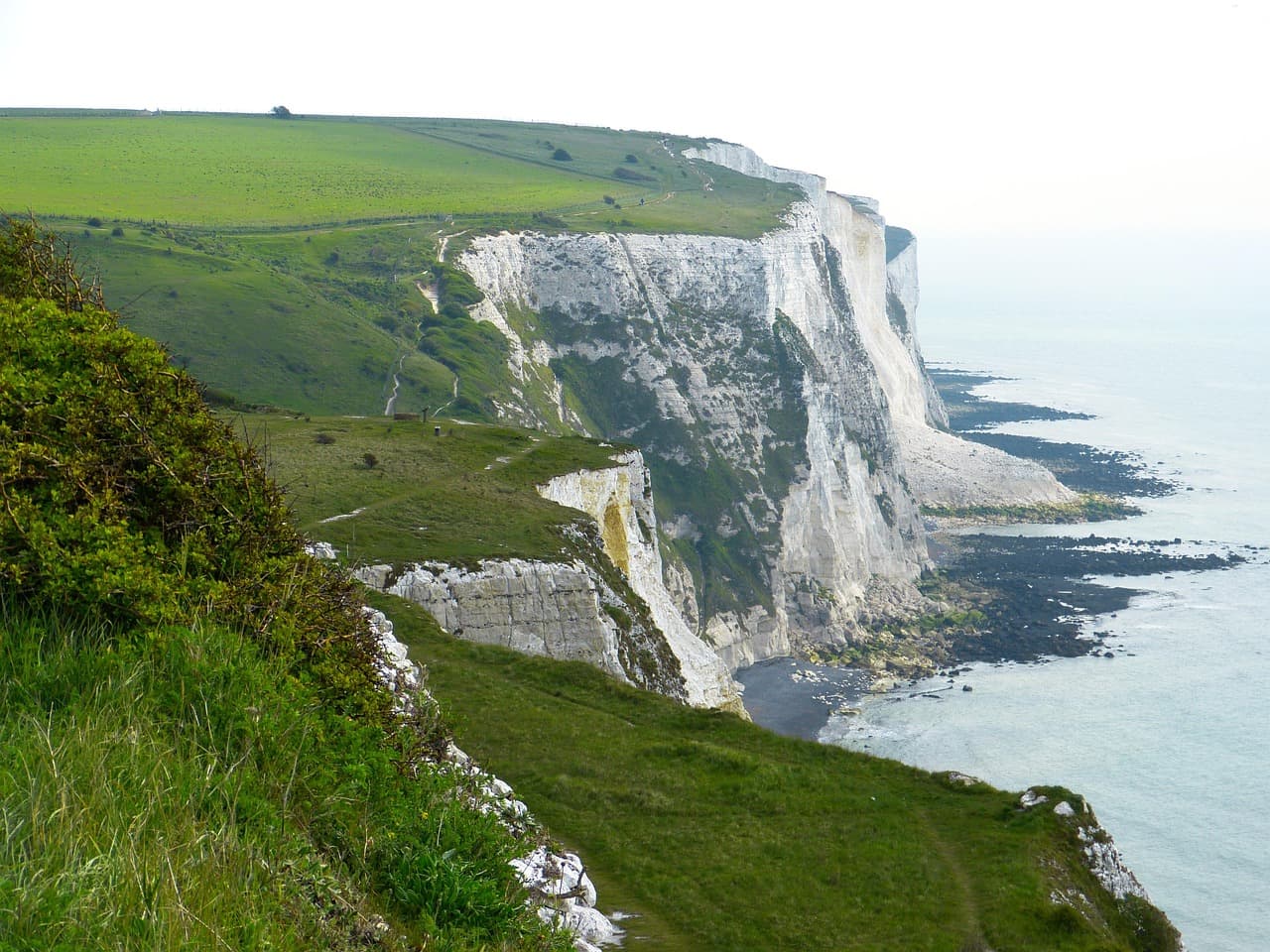
Coastal Erosion in England Has Claimed at Least 183 Homes in 16 Years

At least 183 homes have disappeared from England's east coast through coastal erosion and landslides in the past 16 years, and most of them did not simply fall into the sea. Councils judged properties across the Yorkshire and East Anglian coasts too vulnerable to remain safely occupied and brought them down deliberately, before the cliff edge reached them.

The figures come from data requested from nine councils identified in a House of Commons environment, food and rural affairs committee (EFRA) report as being among the most vulnerable to coastal erosion.

Where the homes were lost

The demolitions carried a total cost of £1.1m, of which the Environment Agency contributed about £482,000 towards clearing 61 homes judged at risk of collapsing. The remainder was paid by councils and, at times, by the homeowners themselves.

The breakdown across the nine authorities asked for data shows where the losses have been concentrated:

  • •East Riding of Yorkshire council has demolished 66 homes since 2010, the most of the nine local authorities; its vulnerable communities include Skipsea, Aldbrough and Mappleton.
  • •Great Yarmouth borough council has demolished 64 homes since 2010, all of them in the village of Hemsby, including 41 properties removed since December 2025.
  • •North Norfolk council has proactively demolished 21 homes over the same 16-year period.
  • •East Suffolk council, which only held data for the past six years, recorded eight demolitions between 2020 and 2024 and 16 between May last year and April this year, most of them understood to be in Thorpeness.

North Norfolk district council said all 21 affected households were supported, and that 19 of the properties were proactively demolished before they reached the cliff edge and became an emergency. The council added that a number of pilot opportunities are under development with the Environment Agency and Defra, and that it hopes for more targeted, government-supported help for the whole coast.

The pace of erosion in Hemsby

Every one of Great Yarmouth borough council's 64 demolitions took place in Hemsby. A council spokesperson described the scale of what happened to the dunes there last winter.

"Last winter, the dunes in Hemsby saw about 50% of the erosion predicted for the entirety of the next 30 years."

Over just more than 12 months, the village lost more than 10 metres of land.

The same spokesperson said council staff continue to liaise with people to keep residents and the public safe, and to offer support, advice and options to those affected.

An East Riding council spokesperson said East Riding of Yorkshire has some of the fastest eroding coastlines in Europe, and pointed to the Changing Coasts East Riding project, which works with residents and businesses on the impacts of losses.

The human cost

According to the EFRA committee report, there is no UK insurance product for coastal erosion, because insurers treat coastal retreat as a "virtual certainty" for some seaside homes - unlike flood damage, which is covered by Flood Re.

Hilary Lightfoot lived in Thorpeness for 20 years before her flat was demolished this year. She said she has been left out of pocket by the full value of the property and had to draw on her pension savings and borrow money to cover the costs.

"I've lost £650,000 – that was what my flat was worth."

East Suffolk council, whose area includes Thorpeness, said some government funding is available for demolition but that there are currently limited mechanisms to support the wider costs of adaptation and relocation. The council added that it has invested about £1.5m in short-term measures designed to slow erosion, and is testing new approaches through the government's flood and coastal innovation programme.

What happens next

The Environment Agency estimates for future environment agency coastal risk in England include:

  • •3,500 properties at risk from coastal erosion by 2055, rising to more than 10,000 by 2105.
  • •More than 6 miles (10km) of major roads at risk over the next 80 years.
  • •107 miles of minor roads and 3.5 miles of railway also at risk from erosion over the same period.

An Environment Agency spokesperson said the agency is very aware of the effects of erosion on communities and described the support now going to councils.

"We're backing them with £36m for coastal erosion adaptation pilots."

That backing also includes cuts to planning red tape and £10,000 demolition grants, according to the agency.

Councils on the retreating east coast say they continue to work with residents on safety, support and options as the demolitions go on.

Tuesday, Oct 13, 2026

english

World

• Analysis

Coastal Erosion in England Has Claimed at Least 183 Homes in 16 Years

Seaside communities on England's east coast have lost at least 183 homes to coastal erosion and landslides over the past 16 years, with councils proactively demolishing properties on the Yorkshire and East Anglian coasts judged too vulnerable to remain safely occupied.

By Haut Monde Post

Oct 13, 2026 • 4 Min Read

Coastal Erosion in England Has Claimed at Least 183 Homes in 16 Years

At least 183 homes have disappeared from England's east coast through coastal erosion and landslides in the past 16 years, and most of them did not simply fall into the sea. Councils judged properties across the Yorkshire and East Anglian coasts too vulnerable to remain safely occupied and brought them down deliberately, before the cliff edge reached them.

The figures come from data requested from nine councils identified in a House of Commons environment, food and rural affairs committee (EFRA) report as being among the most vulnerable to coastal erosion.

Where the homes were lost

The demolitions carried a total cost of £1.1m, of which the Environment Agency contributed about £482,000 towards clearing 61 homes judged at risk of collapsing. The remainder was paid by councils and, at times, by the homeowners themselves.

The breakdown across the nine authorities asked for data shows where the losses have been concentrated:

  • •East Riding of Yorkshire council has demolished 66 homes since 2010, the most of the nine local authorities; its vulnerable communities include Skipsea, Aldbrough and Mappleton.
  • •Great Yarmouth borough council has demolished 64 homes since 2010, all of them in the village of Hemsby, including 41 properties removed since December 2025.
  • •North Norfolk council has proactively demolished 21 homes over the same 16-year period.
  • •East Suffolk council, which only held data for the past six years, recorded eight demolitions between 2020 and 2024 and 16 between May last year and April this year, most of them understood to be in Thorpeness.

North Norfolk district council said all 21 affected households were supported, and that 19 of the properties were proactively demolished before they reached the cliff edge and became an emergency. The council added that a number of pilot opportunities are under development with the Environment Agency and Defra, and that it hopes for more targeted, government-supported help for the whole coast.

The pace of erosion in Hemsby

Every one of Great Yarmouth borough council's 64 demolitions took place in Hemsby. A council spokesperson described the scale of what happened to the dunes there last winter.

"Last winter, the dunes in Hemsby saw about 50% of the erosion predicted for the entirety of the next 30 years."

Over just more than 12 months, the village lost more than 10 metres of land.

The same spokesperson said council staff continue to liaise with people to keep residents and the public safe, and to offer support, advice and options to those affected.

An East Riding council spokesperson said East Riding of Yorkshire has some of the fastest eroding coastlines in Europe, and pointed to the Changing Coasts East Riding project, which works with residents and businesses on the impacts of losses.

The human cost

According to the EFRA committee report, there is no UK insurance product for coastal erosion, because insurers treat coastal retreat as a "virtual certainty" for some seaside homes - unlike flood damage, which is covered by Flood Re.

Hilary Lightfoot lived in Thorpeness for 20 years before her flat was demolished this year. She said she has been left out of pocket by the full value of the property and had to draw on her pension savings and borrow money to cover the costs.

"I've lost £650,000 – that was what my flat was worth."

East Suffolk council, whose area includes Thorpeness, said some government funding is available for demolition but that there are currently limited mechanisms to support the wider costs of adaptation and relocation. The council added that it has invested about £1.5m in short-term measures designed to slow erosion, and is testing new approaches through the government's flood and coastal innovation programme.

What happens next

The Environment Agency estimates for future environment agency coastal risk in England include:

  • •3,500 properties at risk from coastal erosion by 2055, rising to more than 10,000 by 2105.
  • •More than 6 miles (10km) of major roads at risk over the next 80 years.
  • •107 miles of minor roads and 3.5 miles of railway also at risk from erosion over the same period.

An Environment Agency spokesperson said the agency is very aware of the effects of erosion on communities and described the support now going to councils.

"We're backing them with £36m for coastal erosion adaptation pilots."

That backing also includes cuts to planning red tape and £10,000 demolition grants, according to the agency.

Councils on the retreating east coast say they continue to work with residents on safety, support and options as the demolitions go on.

Tuesday, Oct 13, 2026

english

World

• Analysis

Coastal Erosion in England Has Claimed at Least 183 Homes in 16 Years

Seaside communities on England's east coast have lost at least 183 homes to coastal erosion and landslides over the past 16 years, with councils proactively demolishing properties on the Yorkshire and East Anglian coasts judged too vulnerable to remain safely occupied.

By Haut Monde Post

Oct 13, 2026 • 4 Min Read

Coastal Erosion in England Has Claimed at Least 183 Homes in 16 Years

At least 183 homes have disappeared from England's east coast through coastal erosion and landslides in the past 16 years, and most of them did not simply fall into the sea. Councils judged properties across the Yorkshire and East Anglian coasts too vulnerable to remain safely occupied and brought them down deliberately, before the cliff edge reached them.

The figures come from data requested from nine councils identified in a House of Commons environment, food and rural affairs committee (EFRA) report as being among the most vulnerable to coastal erosion.

Where the homes were lost

The demolitions carried a total cost of £1.1m, of which the Environment Agency contributed about £482,000 towards clearing 61 homes judged at risk of collapsing. The remainder was paid by councils and, at times, by the homeowners themselves.

The breakdown across the nine authorities asked for data shows where the losses have been concentrated:

  • •East Riding of Yorkshire council has demolished 66 homes since 2010, the most of the nine local authorities; its vulnerable communities include Skipsea, Aldbrough and Mappleton.
  • •Great Yarmouth borough council has demolished 64 homes since 2010, all of them in the village of Hemsby, including 41 properties removed since December 2025.
  • •North Norfolk council has proactively demolished 21 homes over the same 16-year period.
  • •East Suffolk council, which only held data for the past six years, recorded eight demolitions between 2020 and 2024 and 16 between May last year and April this year, most of them understood to be in Thorpeness.

North Norfolk district council said all 21 affected households were supported, and that 19 of the properties were proactively demolished before they reached the cliff edge and became an emergency. The council added that a number of pilot opportunities are under development with the Environment Agency and Defra, and that it hopes for more targeted, government-supported help for the whole coast.

The pace of erosion in Hemsby

Every one of Great Yarmouth borough council's 64 demolitions took place in Hemsby. A council spokesperson described the scale of what happened to the dunes there last winter.

"Last winter, the dunes in Hemsby saw about 50% of the erosion predicted for the entirety of the next 30 years."

Over just more than 12 months, the village lost more than 10 metres of land.

The same spokesperson said council staff continue to liaise with people to keep residents and the public safe, and to offer support, advice and options to those affected.

An East Riding council spokesperson said East Riding of Yorkshire has some of the fastest eroding coastlines in Europe, and pointed to the Changing Coasts East Riding project, which works with residents and businesses on the impacts of losses.

The human cost

According to the EFRA committee report, there is no UK insurance product for coastal erosion, because insurers treat coastal retreat as a "virtual certainty" for some seaside homes - unlike flood damage, which is covered by Flood Re.

Hilary Lightfoot lived in Thorpeness for 20 years before her flat was demolished this year. She said she has been left out of pocket by the full value of the property and had to draw on her pension savings and borrow money to cover the costs.

"I've lost £650,000 – that was what my flat was worth."

East Suffolk council, whose area includes Thorpeness, said some government funding is available for demolition but that there are currently limited mechanisms to support the wider costs of adaptation and relocation. The council added that it has invested about £1.5m in short-term measures designed to slow erosion, and is testing new approaches through the government's flood and coastal innovation programme.

What happens next

The Environment Agency estimates for future environment agency coastal risk in England include:

  • •3,500 properties at risk from coastal erosion by 2055, rising to more than 10,000 by 2105.
  • •More than 6 miles (10km) of major roads at risk over the next 80 years.
  • •107 miles of minor roads and 3.5 miles of railway also at risk from erosion over the same period.

An Environment Agency spokesperson said the agency is very aware of the effects of erosion on communities and described the support now going to councils.

"We're backing them with £36m for coastal erosion adaptation pilots."

That backing also includes cuts to planning red tape and £10,000 demolition grants, according to the agency.

Councils on the retreating east coast say they continue to work with residents on safety, support and options as the demolitions go on.