Politics
• Analysis
Trump media ban: lawyer tells judge critical coverage was the reason, citing Time interview
A lawyer for CNN, MS Now and Politico told a federal judge on Thursday that Donald Trump made clear the outlets were barred from the White House over critical coverage, as Judge Timothy Kelly extended a temporary restraining order until Tuesday.
By Haut Monde Post
• October 8, 2026
• 3 Min Read
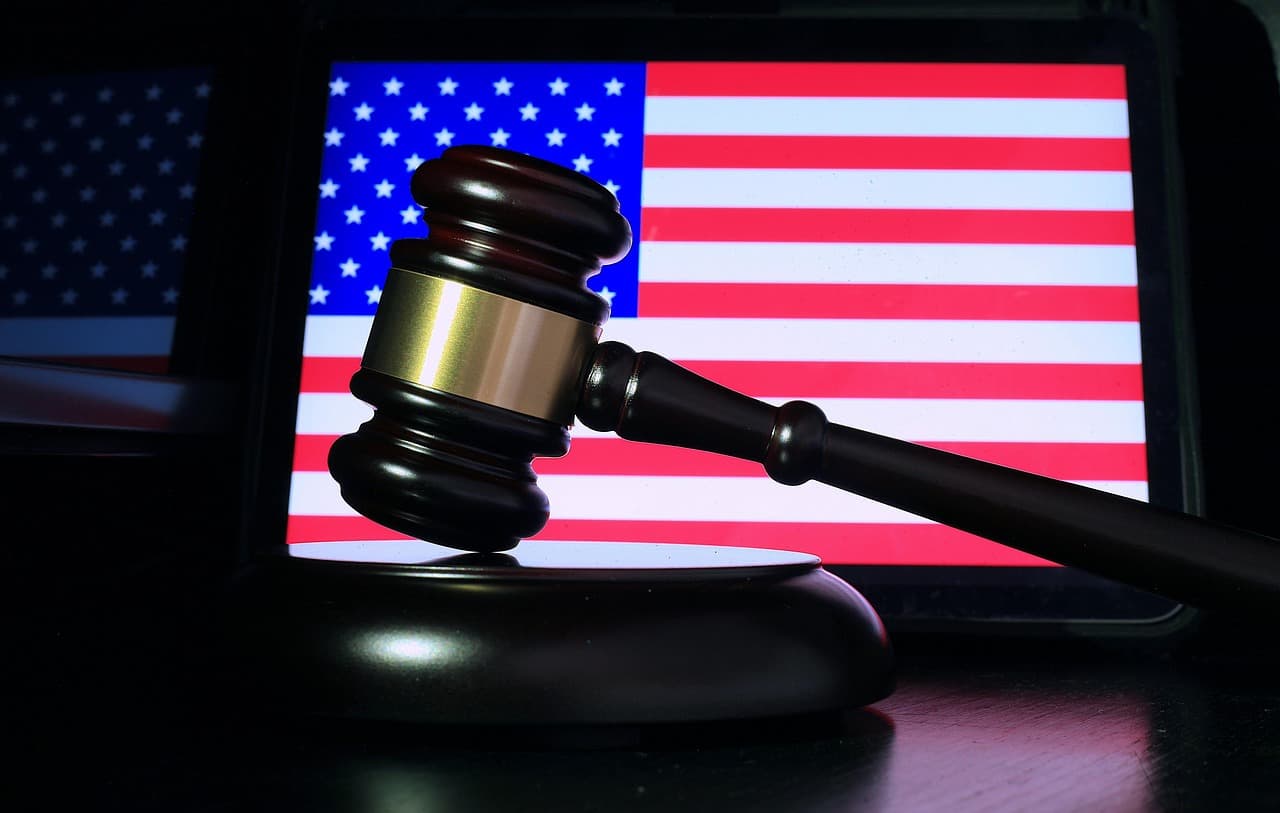
A lawyer for CNN, MS Now and Politico argued before a federal judge on Thursday that the three outlets were barred from the White House at Donald Trump's direction over critical coverage, while Judge Timothy Kelly extended a temporary restraining order keeping the ban on hold until Tuesday.
Boutrous: Trump's Time interview is a confession
Theodore J Boutrous told the court that Trump had made the reason plain in a Time magazine interview, which the lawyer described as a confession of viewpoint discrimination and retaliation. Asked by Time for the impetus for the ban, Trump said: "It's just bad story after bad story, and when I say bad story, I can handle bad stories." He added: "Most of them are fake, and it's not only CNN, and it's not only MSDNC [sic]. It's a lot of other people."
In the same interview Trump made no mention of national security concerns, one of the primary reasons that has been given by government lawyers for the trump media ban. Boutrous said: "It's really just absolutely clear ... President Trump, to give him credit - he's not hiding it."
Reprieve extended as injunction ruling nears
The temporary reprieve was due to expire on Thursday, but Kelly, a Trump appointee, said he would extend it until Tuesday. The judge had issued the temporary restraining order on 24 September, requiring the White House to lift the ban for 14 days. Kelly said he would probably rule on a motion for a preliminary injunction by Tuesday, meaning the three outlets keep building access until at least then.
Government cites journalistic conduct standards
Kelly questioned the lone White House lawyer, Michael Velchik, saying the decision-maker seemed to have acted for one set of reasons while the government claims another: "The decision-maker seems to have said I'm taking this action because of X and Y, and the government is saying: 'No, it's Z'."
Velchik said "the White House is a sacred place" and argued that a failure to adhere to basic standards of journalistic conduct was a precipitating factor in the ban. He also faulted the media companies for not responding to post-hoc letters offering a chance to rebut the charges, which Boutrous later called a "sham process".
Kelly told the government's lawyer they "still have a notice problem, it seems to [him], or at least a notice issue", and said the advance-notice standards from a binding circuit case on a similar White House access issue "are probably the biggest hurdle you have".
Due process findings and binding precedent
In granting the TRO, Kelly found the White House had violated constitutional requirements for due process by not giving the companies adequate notice of the conduct standards or a chance to protest the sanction in advance. The government must also contend with binding precedent on viewpoint:
- •Binding court precedent bars news organizations from being removed from the White House for editorial or viewpoint-based reasons.
Kelly said he would probably rule on the preliminary injunction motion by Tuesday, keeping the three outlets' building access until at least then.