Business
• Analysis
Palantir and Sadiq Khan end legal battle over Metropolitan police contract
Palantir and London mayor Sadiq Khan have withdrawn allegations against each other, ending a legal battle over the blocked £50m Metropolitan police AI contract, it was announced on Wednesday.
By Haut Monde Post
• October 14, 2026
• 3 Min Read
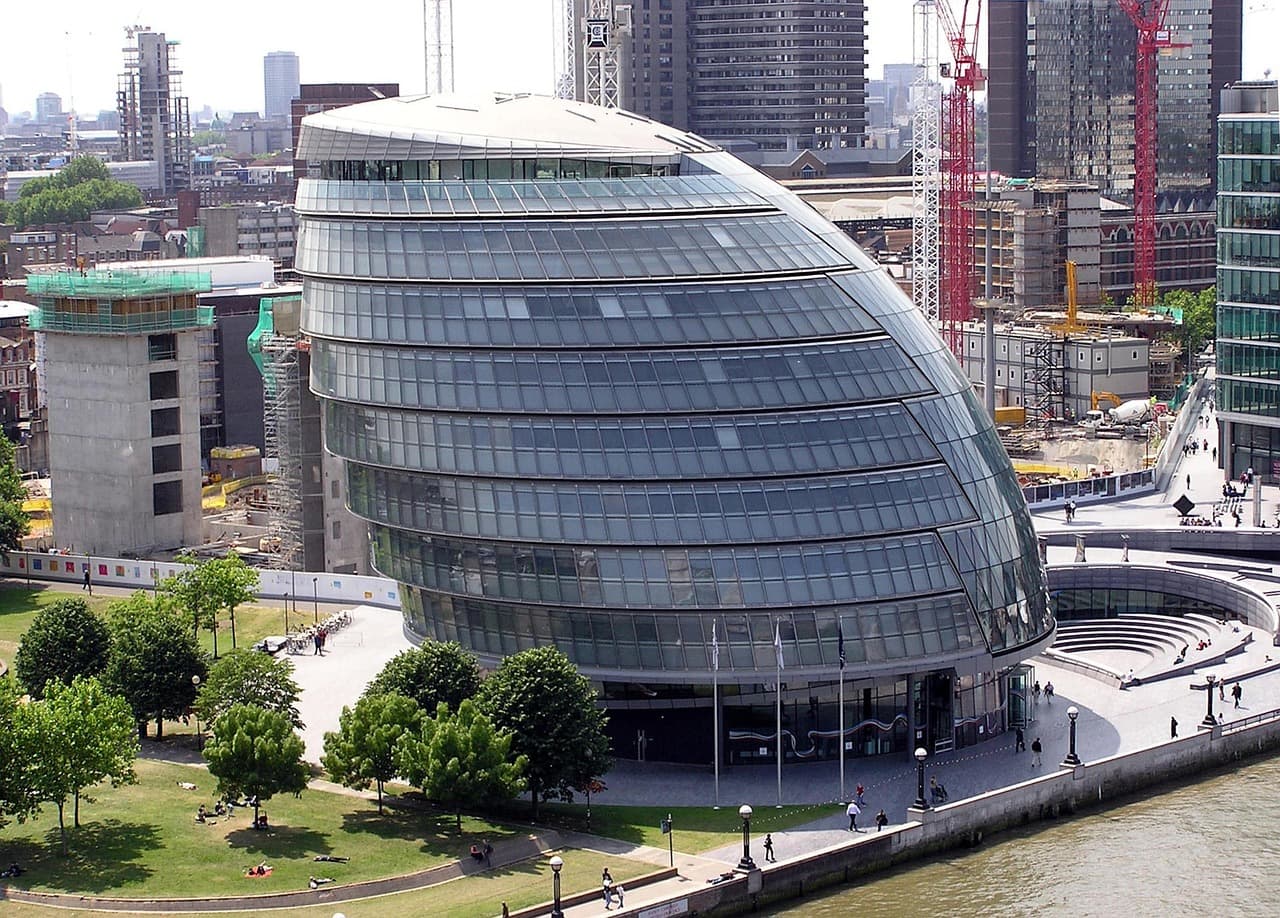
Palantir and London mayor Sadiq Khan have called off their legal fight over claims the mayor kept the company from winning a Metropolitan police contract on grounds of its values and ethics. Palantir and the mayor's office for policing and crime (Mopac) said on Wednesday that allegations had been withdrawn on both sides, ending the dispute over the £50m deal.
A high court trial averted
The withdrawal heads off a high court trial that had been scheduled for January. Under the settlement, each side covers its own legal costs, neither admits liability, and no damages have been paid.
The agreement came a month after the former deputy leader of the Labour party, Tom Watson, was hired by Palantir as a full-time lobbyist.
The blocked £50m deal
The dispute began when Palantir took Mopac to court in June. The trigger was Khan's decision to stop a two-year, £50m arrangement under which Scotland Yard would have used AI to process intelligence in criminal investigations, through a system known as unified operational analytics (UOA).
The mayor justified the block by pointing to what he called a "clear and serious breach" of procurement rules. He had also said before that Londoners only wanted public money paid to companies that "share the values of our city".
Louis Mosley, head of Palantir UK and Europe, accused the mayor of politicising procurement and "putting politics above public safety". He said: "What Londoners value is not being mugged, not being raped by a serving police officer."
Palantir feared that public authorities blocking it over objections to its leadership's values would undermine its ability to operate in the UK.
What the joint statement says
In a joint statement, the two sides gave a shared account of why the contract was stopped:
- •Mopac's decision to block the contract was not based on Palantir's values or ethics or any wider reporting about the company.
- •Media reporting of a mayor's spokesperson statement before the decision could have incorrectly created the impression that an assessment of the company's values had been a factor.
- •Mopac's consideration was based on its statutory role of examining spend proposals, against the appropriate legal tests and guidance on procurement, governance, affordability and value for money.
Khan said London is the technology capital of Europe, and that he is proud Palantir makes a significant contribution to jobs and investment in the capital. He said Palantir employs a large number of Londoners whose services have been procured legally by organisations across the UK and beyond.
What happens next
Watson, the former Labour deputy leader, said the mayor and his team had accepted that how they acted may have left people thinking Palantir's values had driven the UOA blocking decision, and said he was pleased that this had been corrected. As he put it, "decisions about deploying technology can still be made on their merits and in the public interest".
The £50m police tech deal will now be re-tendered: a fresh procurement process is running, and Mopac has committed to treating Palantir "fairly and equally" should it bid, as expected. The authority is not obliged, however, to approve Palantir's appointment.
Palantir's wider UK stakes remain high: the company faces a battle to retain its £330m NHS medical data contract amid campaigns from parts of the public and MPs for it to be axed.