Business
• Analysis
IFS budget warning: Healey plan risks being 'work of fiction' without £35bn answer
The Institute for Fiscal Studies has warned Chancellor John Healey that his 28 October budget risks being a "work of fiction" unless he sets out plans to cover £35bn of UK spending pressures. The think tank published the warning in its green budget report ahead of Healey's speech to the Commons.
By Haut Monde Post
• October 12, 2026
• 4 Min Read
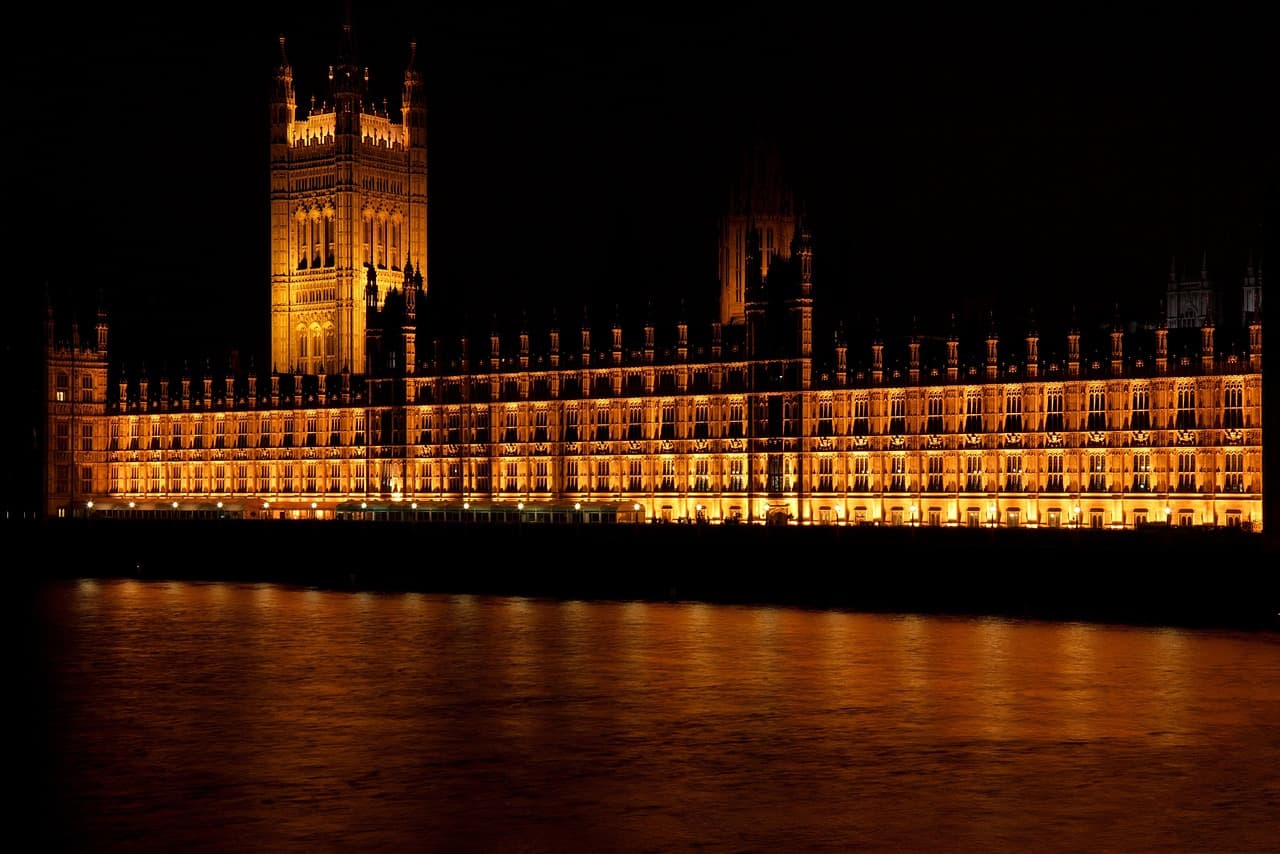
The Institute for Fiscal Studies issued its budget warning in its green budget report, which analyses the public finances before Healey's speech to the Commons on 28 October. According to the think tank, the damage done by higher inflation means the chancellor must either top up the funds behind his current spending plans or impose deep real-terms cuts by the end of the decade.
Top up funds or impose deep cuts, IFS says
Higher inflation forces the government to choose between accepting real-term cuts and finding efficiency savings, or topping up departmental budgets through taxes or borrowing. Leaving the spending totals unchanged would, the IFS said, implicitly mean allowing the quality or quantity of public services to fall.
The bill for putting the plans right is large. Compensating for the inflation shock, together with funding Healey's pledge to raise defence spending to 3% of GDP by 2030, would require tax rises or benefit cuts of about £35bn, the IFS said.
Miller: no kicking decisions to the spending review
IFS director Helen Miller was blunt about the consequences of avoiding the choice. "Simply pencilling in implicit cuts that he has no intention of delivering would make the budget a work of fiction," she said.
Her criticism was aimed at a "steady as she goes" budget that delayed decisions until next year's spending review, which the IFS warned against. Miller said the assumption that everything can be kicked forward to that review risked undermining the chancellor's credibility, and that the country would be better served by a chancellor who hopes for the best but plans for the worst.
Sticking with the inherited tax and spending plans, she said, would mean allowing inflation to blow departments' spending plans off course, and would tolerate chunky cuts to public services. She added that Healey does not need to plan the next spending review in detail at the budget; he needs only to set out overall spending envelopes that he would be prepared to live within.
Headroom under pressure from war-driven debt costs
The warning comes against a tighter fiscal backdrop. Higher borrowing costs, driven by a government debt sell-off linked to the Middle East war, are expected to erase a significant chunk of the £24bn buffer left by the former chancellor Rachel Reeves at the spring statement, according to the IFS report. Leading economists predicted that market moves since the war began in February could wipe out about half of that headroom.
The IFS set out the arithmetic in detail: the surge in debt interest costs could add £10bn to borrowing in 2029-30, though higher inflation boosting tax revenue means headroom could ultimately fall by only £4bn. Beyond the effect on headroom, the think tank warned that the inflation shock rippling from the Middle East would also dramatically hit the government's plan for funding public services.
Whitehall and Treasury response
The fiscal argument has already spilled into open friction. Bank of England governor Andrew Bailey said last week that fiscal policy "must be credible and be seen as such by financial markets". The following day, the Times quoted a government source as saying: "Andrew Bailey needs to focus on doing his job."
The Treasury, for its part, pointed to the chancellor's agenda. A Treasury spokesperson said the chancellor is fully focused on his priorities to boost business, help with the cost of living and support people in every postcode, underpinned by fiscal discipline.
The Office for Budget Responsibility will publish its updated forecast alongside the budget in October, and the Treasury said it would not comment on speculation about its contents beforehand.
"Simply pencilling in implicit cuts that he has no intention of delivering would make the budget a work of fiction."